Cannabis in Morocco – Ketama, the Rif Mountains and the History of Moroccan Hashish Culture

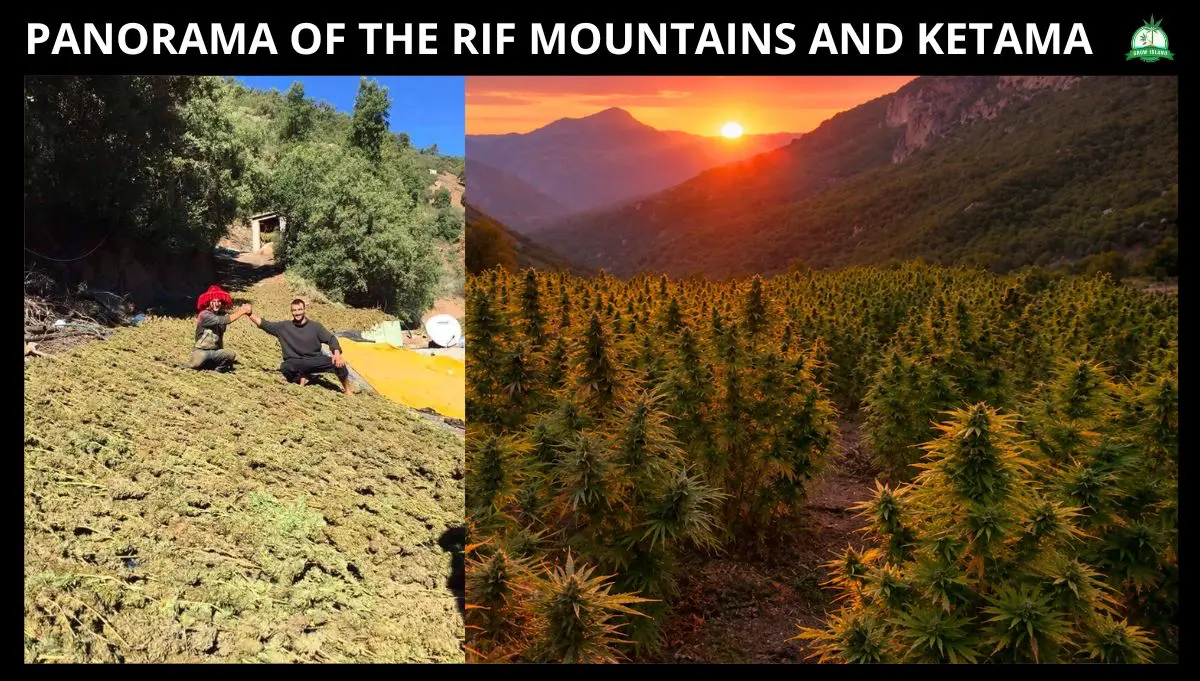
Morocco has been associated with cannabis, the Rif Mountains and traditional hashish for generations. Yet the reality is more complicated than the romantic image of Ketama found in travel stories. The country is preserving a deeply rooted rural culture while trying to reduce the illegal trade and build a licensed cannabis industry for specific lawful purposes.
The most important legal point belongs at the beginning: Law No. 13-21, adopted in 2021, did not legalise recreational cannabis. It created a controlled framework for medical, pharmaceutical and industrial uses. Unlicensed cultivation, recreational possession and informal sales did not automatically become legal. Visitors should never confuse visible cultivation or local tolerance with legal permission.
What changed under Morocco's 2021 cannabis law?
Law 13-21 established rules for authorised cultivation and production, seed and plant imports and exports, nurseries, processing, manufacturing, transport, marketing and export. These activities are supervised by the National Agency for the Regulation of Cannabis-Related Activities, generally known as ANRAC. The official ANRAC FAQ explains the licence categories and the obligations attached to them.
The system is designed around controlled origin and complete traceability. A licence for one stage does not authorise every other stage. Farmers, cooperatives, processors, carriers and exporters have their own obligations. Imported seeds require prior authorisation and phytosanitary compliance. Harvests, transfers, storage and destruction must be documented.
Morocco's model is therefore different from broad adult-use legalisation. Readers comparing national approaches may also find Grow Island's English guides to cannabis laws in Austria , cannabis legalisation in the Czech Republic and THC laws across Europe useful.
What is legal and what remains prohibited?
| Activity | Legal position | What it means |
|---|---|---|
| Medical and pharmaceutical use | May be licensed | Only inside the authorised supply chain |
| Industrial and cosmetic processing | Regulated | Approved inputs, operators, labelling and records are required |
| Private cultivation without authorisation | Not legal | Regional tradition is not an ANRAC licence |
| Recreational possession and use | Still prohibited | Law 13-21 did not create an adult-use market |
| Informal street sales | Legally risky | Tourists have no special exemption |
Calling an item “CBD”, “hemp” or “medical” does not make it lawful by itself. Origin, composition, THC level, authorisation, seller and labelling all matter. Border crossings create a separate risk: a product bought lawfully in one country may still be restricted at the Moroccan border or at the traveller's destination.
Where may licensed cannabis be cultivated?
According to ANRAC's published information, licensed cultivation is geographically limited to Al Hoceima, Chefchaouen and Taounate provinces. Even inside these provinces, a farmer cannot simply plant cannabis for the legal market. Approved land, authorised planting material, contracts, cooperative arrangements and records form part of the system.
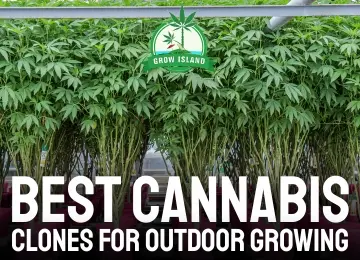
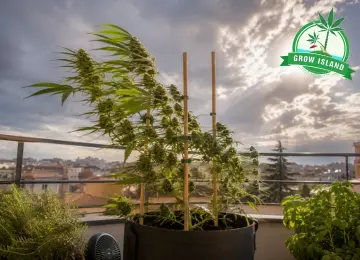
The distinction matters when looking at ordinary cultivation content. Articles such as growing cannabis on balconies and terraces or the best outdoor cannabis clones provide horticultural information, but they do not replace the law in the place where a reader lives or travels.
Ketama: the historical centre of Morocco's cannabis culture
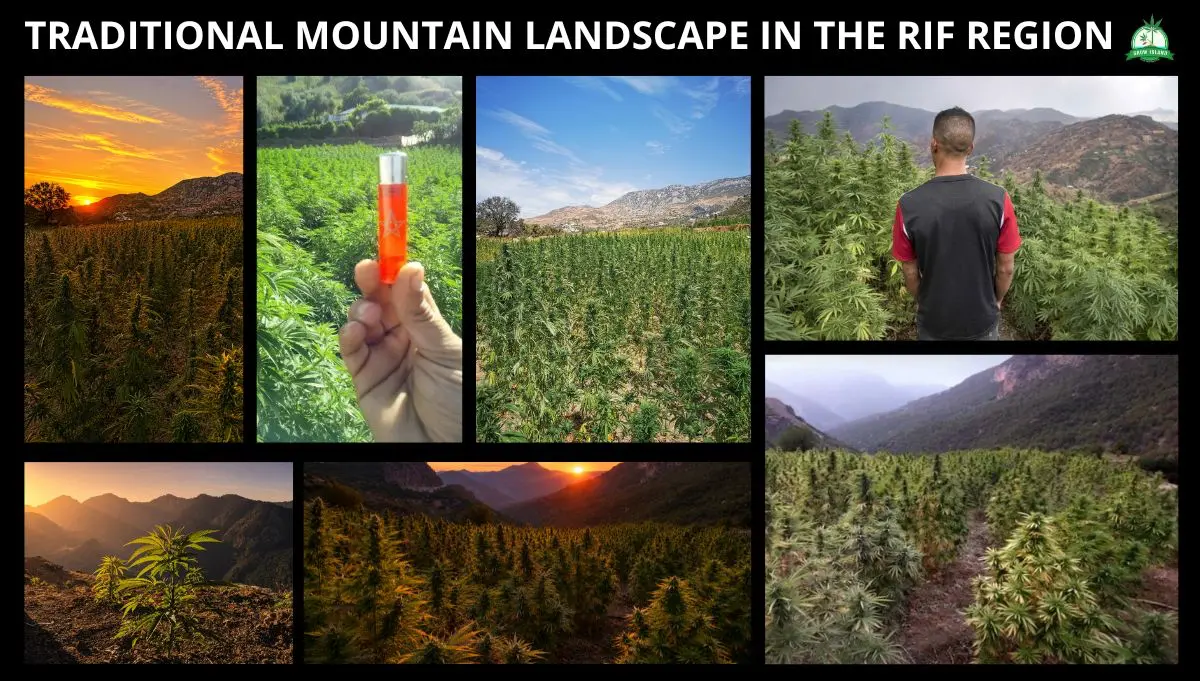
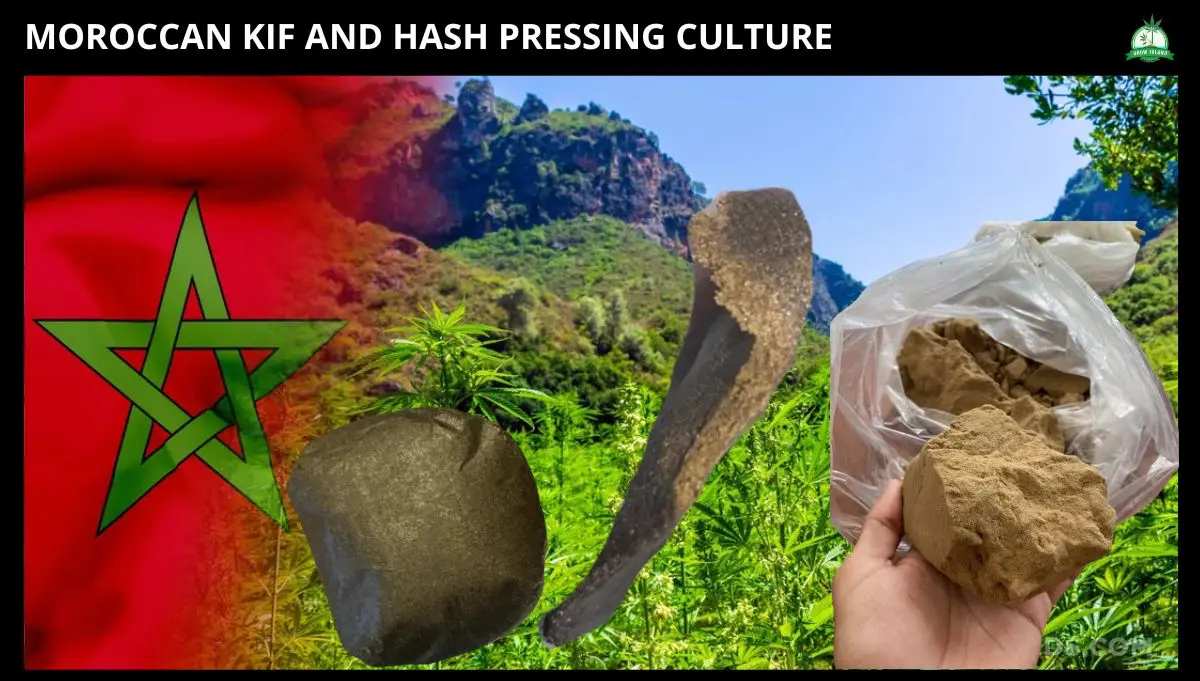
Ketama, officially Issaguen, lies in the central Rif and has been identified with Moroccan cannabis culture for decades. Mountain terrain, a suitable microclimate, isolation and limited economic alternatives made kif an important source of income for many households. Historically, the word “kif” could refer to the local cannabis material and to a finely cut mixture used with tobacco.
The international market changed this regional economy during the twentieth century. From the 1960s and 1970s onward, European demand helped make dry-sifted and pressed Moroccan hashish an export commodity. Production expanded, but the largest margins frequently remained with middlemen and trafficking networks rather than mountain farmers.
This history should not be reduced to an exotic tourist attraction. Cannabis provided income, but it also brought price pressure, illegality, debt and criminal exposure. The modern regulated system will ultimately be judged by whether it delivers more stable income, bargaining power and safety to smaller producers.
Cannabis tourism in Ketama: what visitors actually find
Ketama, Chefchaouen and the wider Rif have long attracted travellers interested in mountain villages, agriculture and cannabis traditions. This interest is real, but it is not an official recreational-cannabis tourism programme. Scenery, history and rural culture must be separated from purchase, possession and consumption.
Depending on the guide and season, visitors may encounter:
- traditional cannabis fields alongside other mountain crops;
- conversations with farmers and rural families;
- historical explanations of drying, sieving and pressing;
- Amazigh and Rif village life, markets and architecture;
- mountain walks, forest routes and viewpoints;
- local hospitality centred on tea, bread, olive oil, honey and shared meals.
Many farm or cultural tours are arranged through personal recommendations and local contacts rather than large, regulated travel platforms. That makes careful questions essential. A responsible programme should describe its route, duration, transport and cultural focus. It should not depend on an illegal purchase or promise that visitors can ignore Moroccan law.
Travellers looking for destinations with clearly defined adult-use rules should compare Morocco with the places in Grow Island's guide to cannabis-friendly holidays . Morocco should not be advertised as if it were Amsterdam or a licensed North American market.
Are there cannabis hotels in Ketama?
Searches for “Ketama cannabis hotel”, “hash hotel” and “420-friendly accommodation” produce tempting results. These expressions are not official Moroccan hotel categories and do not amount to consumption licences. A hotel does not become a legal cannabis venue merely because it stands in a famous cultivation region.
What Ketama does have is a mixture of hotels, guest houses, homestays, apartments, mountain lodges and camping opportunities used by travellers exploring Issaguen and the central Rif. Their national and local obligations remain the same as those of other accommodation providers.
Hotel TIDGHINE KETAMA
Hotel Tidghine is the best documented larger property in Issaguen. A tourism inventory published by the regional Chamber of Commerce, Industry and Services of Tangier–Tetouan–Al Hoceima lists Hotel Tidghine as a four-star establishment with 65 rooms, three suites and twelve bungalows. Its position makes it a practical base for Issaguen, Jbel Tidighin and journeys through the central Rif.
Its location near villages and agricultural areas does not mean that the hotel officially sells cannabis or authorises its use. It should be understood as regular accommodation in a region with a cannabis history.
Hotel Shotwak, Hotel Tidghine and Dar Ketama
Booking and map platforms may also show Hotel Shotwak, similarly named Tidghine or Ketama properties, Dar Ketama-style guest houses and private rooms. Names, management and availability can change. Before paying, verify the exact address, recent independent reviews, cancellation terms, payment method and whether the property is formally registered.
The local Visit Ketama portal presents hotels, family rooms, homestays, mountain refuges and camping as options. It can be useful for local travel ideas, but it is not a government source of legal advice. Accommodation information and cannabis-law claims should always be evaluated separately.
Seven worthwhile activities in and around Ketama
1. Hiking around Jbel Tidighin
At about 2,456 metres, Jbel Tidighin is the highest summit of the Rif. The surrounding area offers short walks and more demanding mountain routes. Weather can change quickly, while summer heat and winter conditions both require preparation. Good footwear, water, sun protection and local knowledge are important. Morocco's official tourism page on mountains and nature presents the Rif as a destination for hiking and outdoor travel.
2. Village visits and Rif hospitality
A guided village walk can introduce local architecture, weekly markets, family agriculture and Amazigh culture. Bread baked at home, tea, olive oil, goat products and honey often reveal more about everyday life than a tour focused only on hashish. Ask permission before photographing residents, homes or fields.
3. Cedar forests and panoramic drives
Roads around the central Rif cross passes, forests and remote settlements. A local driver can be valuable for travellers who do not want a long trek. Distances look short on a map, but narrow and winding mountain roads can make journeys much slower than expected.
4. Markets and regional food
Markets in Issaguen, Targuist and nearby towns show the region's working rhythm. Produce, spices, honey, cheese, bread, household goods and crafts are sold alongside ordinary services. A market visit combined with a family meal or tea ceremony offers a grounded cultural experience.
5. Chefchaouen and Akchour
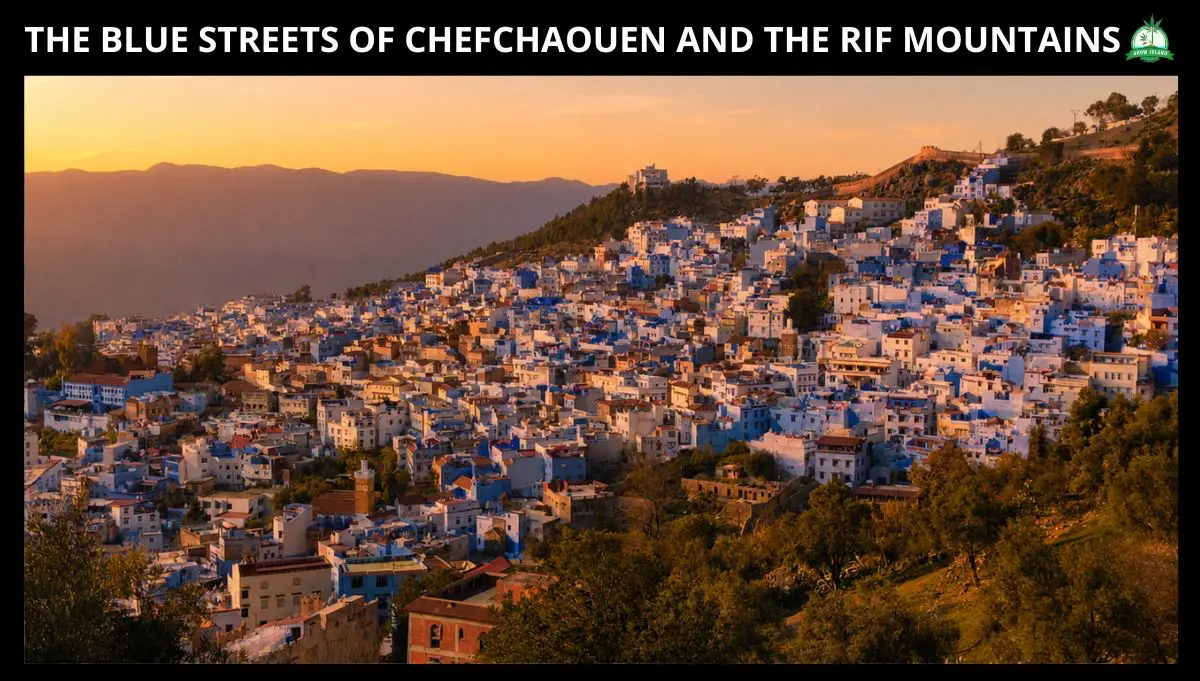
Chefchaouen's blue streets, medina and mountain setting make it the Rif's best-known destination. Akchour is popular for waterfalls and hiking. Driving times depend heavily on road and weather conditions, so these places are usually better treated as planned excursions than quick detours.
6. Cannabis-history farm tours
Local providers sometimes use names such as Ketama Cannabis Trail, kif culture walk or farm tour. A programme may include village paths, field views, conversations with families and explanations of regional history. Observing agricultural culture does not grant a right to buy, consume, produce or remove cannabis.
Traditional sieving or pressing demonstrations are legally sensitive when they involve active, unlicensed production. If a tour includes purchase, consumption or taking a sample away, it moves beyond an ordinary cultural visit and exposes the traveller to additional legal and personal risk.
7. Professional visits to a licensed operator
A company or cooperative licensed under Law 13-21 is a controlled business, not a recreational theme park. Professional visits may require advance consent and identity or organisational details. ANRAC regulates the sector but does not sell casual cannabis-farm holidays to tourists.
How to choose a safer local programme
Hashish and CBD: famous does not mean legal
Moroccan hashish is a globally recognised cultural and historical term, but reputation does not legalise informal possession or sale. Processing authorised under Law 13-21 is tied to defined purposes, licensed operators and traceable product routes. Material from the informal market offers no reliable guarantee of origin, cannabinoid level or purity.
The same caution applies to CBD. A label is not proof of authorisation or composition. Travellers should be especially careful with unknown oils, cosmetics, flowers and edible products. For background reading, Grow Island explains the difference between THCV and THCA , the entourage effect of cannabis terpenes and what happens in case of excessive THC consumption .
Strain recommendations inspired by Rif and traditional hash culture
These recommendations are not presented as traditional Moroccan landraces. They are cultural pairings: old-school sativas, Haze and Skunk lines, plus Afghan-influenced genetics that fit a story about Ketama, the Rif and classic resin traditions. Product availability and cultivation rules vary; every buyer remains responsible for local law.

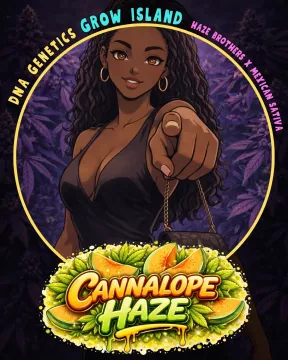

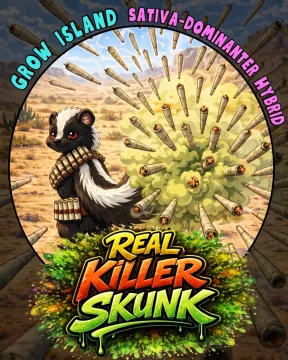
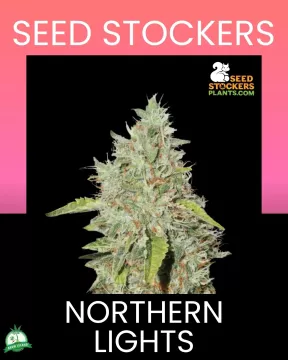

Related background is available in Grow Island's English features on the history of Skunk , Californian cannabis genetics and the top ten resilient cannabis strains .
What does regulation mean for Rif farmers?
A farmer entering the licensed chain changes more than the destination of the harvest. The farm must be in an authorised province, use approved material, satisfy contractual conditions and keep records. Produce must move to the designated cooperative or operator rather than being sold freely on the informal market.
The model may provide predictable demand, agronomic support, finance and higher-value processing. However, if legal purchase prices are weak, payments are slow or compliance is too expensive, the informal market remains attractive. Cooperatives therefore matter greatly: well-run organisations can aggregate harvests and negotiate; poorly governed ones can create a new layer of dependency.
Penalties, controls and common misunderstandings
Possible imprisonment for cultivation outside authorised zones or failure to deliver through required structures
Possible fine for serious violations covered by Law 13-21
Possible penalty for unsafe storage
Possible penalty involving uncertified seeds or incorrect labelling
Repeat offences: penalties may be doubled.
These examples concern offences within Law 13-21. Recreational possession, trafficking and smuggling may fall under other Moroccan criminal and drug laws. It would therefore be misleading to quote one universal punishment for every cannabis-related situation.
A short timeline of cannabis in Morocco
Practical guidance for travellers
- Do not assume that visible fields mean cannabis is legal for you to possess.
- Do not buy from an informal guide, roadside seller or social-media contact.
- Never take cannabis or hashish through an airport, port or land border.
- Do not photograph farms, residents or police activity without permission.
- Use registered accommodation and established transport where possible.
- For current legal advice, consult Moroccan authorities or a qualified local lawyer.
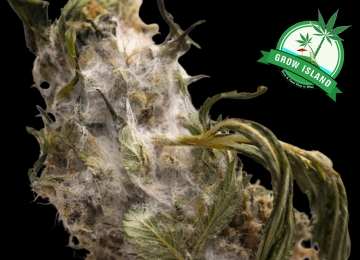
Cannabis can also affect travellers differently from what they expect, particularly when strength and purity are unknown. Grow Island's cannabis stress guide offers general background, while the guide to pests and mould in cannabis cultivation illustrates why unverified agricultural material should never be treated as a quality-controlled product.
How the legal industry may develop after 2026
Morocco's strategic opportunity lies not only in cultivating biomass but in creating a complete, higher-value supply chain. Pharmaceutical ingredients, standardised extracts, cosmetics, food ingredients, industrial fibres, laboratories, packaging and specialist agricultural services can retain more value inside the country. Proximity to Europe and long-standing agricultural knowledge are advantages, but reputation alone will not satisfy regulated export markets.
Consistent genetics, documented cultivation, residue control, laboratory capacity and reliable cannabinoid profiles will be essential. Pharmaceutical products require more than a healthy crop: extraction, formulation, stability, packaging and evidence of quality must all meet the relevant standards. This is why the licensed sector looks very different from the informal hashish economy, even when both ultimately begin with the same plant.
Social success is equally important. A modern industry that excludes small Rif farmers could increase inequality even while generating impressive national export figures. Fair contracts, accessible licences, transparent cooperatives, training for younger residents and realistic purchasing prices will influence whether families see legalisation as a genuine alternative. Women, seasonal workers and households without strong political or commercial connections must also be able to participate.
Environmental limits cannot be ignored. Mountain soils are vulnerable to erosion, while water availability is under pressure. Better irrigation, soil cover, crop rotation and responsible land management can make regulated production more sustainable. If legal standards reward efficient water use and soil protection, regulation could improve agricultural practice rather than simply increasing production.
Conclusion
Morocco's cannabis story has three layers that must be kept together: the centuries-old culture of the Rif, the informal economy that grew around international hashish demand, and the modern licensed sector created by Law 13-21. Ignoring any one of them produces a misleading picture.
Ketama can be a fascinating destination for mountains, villages, food, rural history and conversations about change. It is not a legally protected recreational cannabis resort. Hotels in the area are accommodation providers, not official cannabis clubs, and a cultural farm visit is not permission to purchase or consume.
The sensible approach is simple: experience the Rif as a cultural and natural region, verify tours and accommodation carefully, respect residents and local law, and keep regulated industry separate from the informal market.
Legal notice: This article is general information, not legal advice. Rules and enforcement can change. Check current guidance from ANRAC, Moroccan authorities and relevant border authorities before travelling or conducting business.




Comments