Growing Cannabis from Clones: Faster Starts, More Predictable Results
Note: This text outlines general botanical principles of plant propagation by cuttings and explains cannabis clones as a concept. It is not a detailed step-by-step cultivation guide. Always comply with the laws in your country or region and follow proper safety and hygiene standards.
When people think about growing, seeds are usually the first thing that comes to mind. However, there is a second entry point that can make the process significantly easier for many beginners: clones (also known as cuttings). They can speed up the initial phase and make results more predictable – provided you understand the key factors of water balance, light, airflow, and cleanliness.
Why Clones Are So Attractive for Beginners
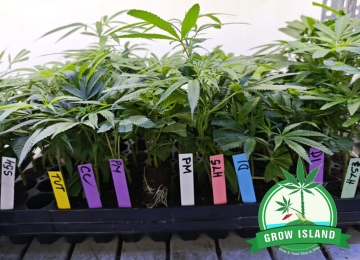
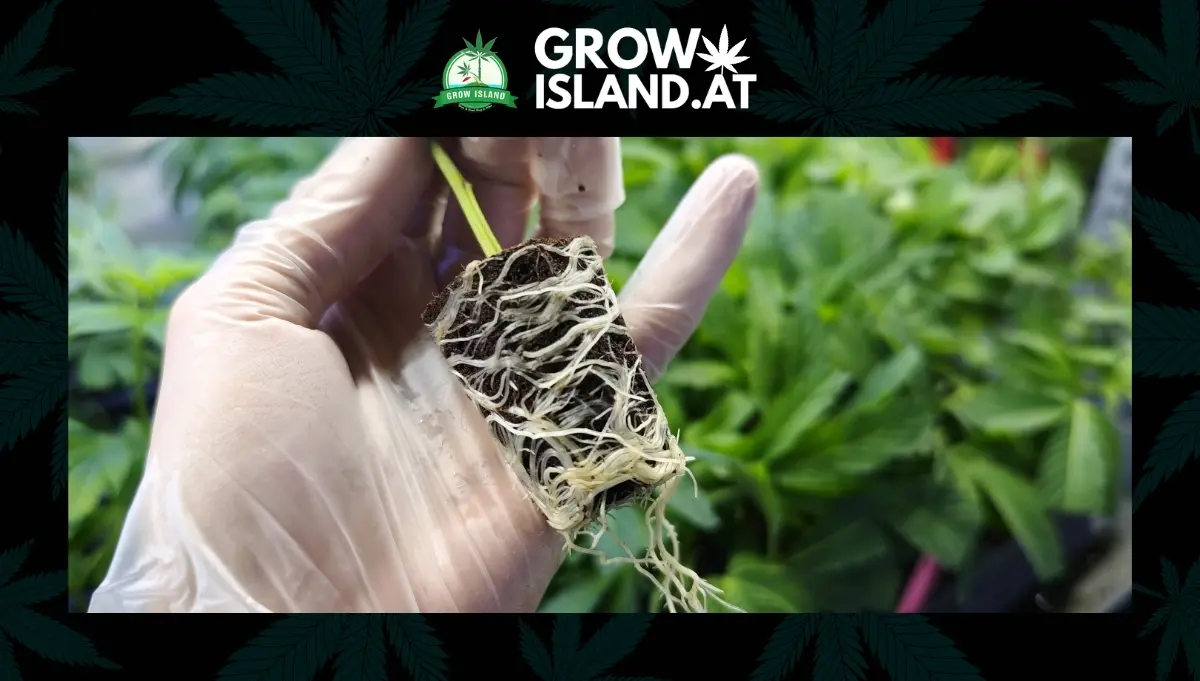
A clone is essentially a shoot taken from a healthy, vigorous mother plant and rooted to become an independent plant. Because this is vegetative propagation, the resulting plant is genetically almost identical to the mother – including growth traits and characteristics you have already observed.
This is where the practical advantage over seeds becomes clear. With seeds, you always have two uncertainties: whether germination will be successful and how much variation will appear within the strain. Clones remove the “genetic surprise factor” and skip the seedling stage altogether. That makes timelines more predictable, especially if you are working with limited space or fixed grow cycles.
Another everyday benefit: working with identical genetics allows you to better evaluate the effects of light, substrate, or training techniques. Since genetic differences are minimized, cause and effect become easier to understand – often the fastest way for beginners to develop real cultivation insight.
The Core Principles: What Clones Truly Need
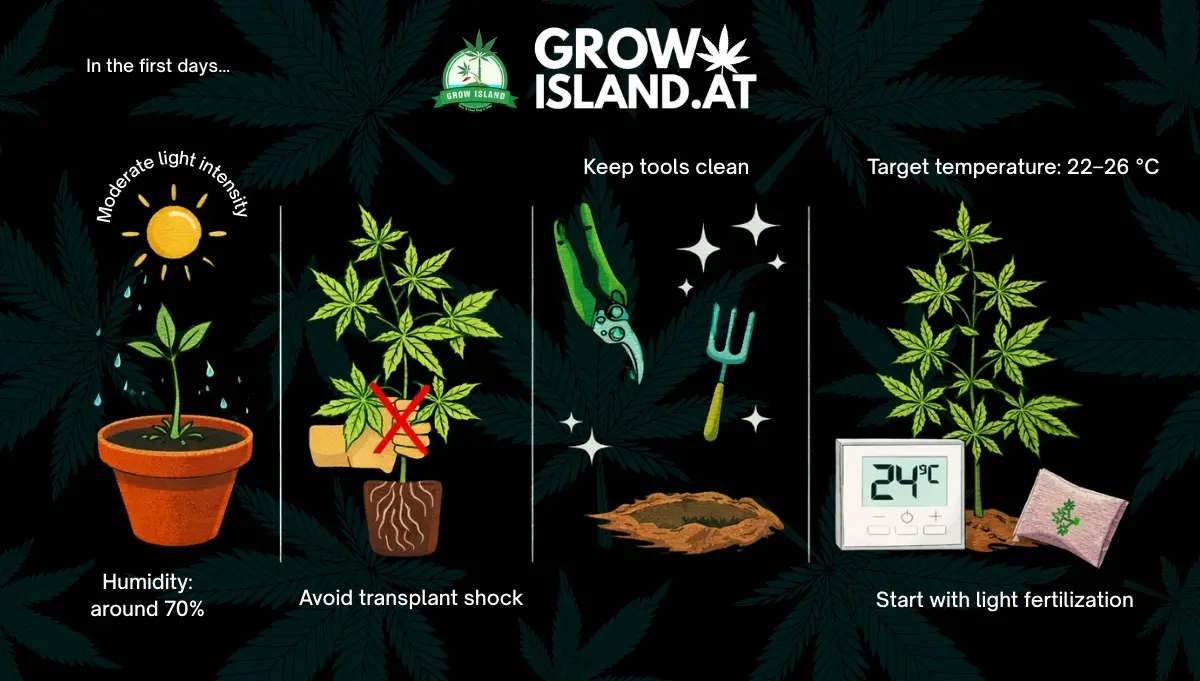
In their sensitive starting phase, clones are essentially leaf tissue with very limited water uptake. Until the root system is fully functional, the plant struggles to compensate for water loss through transpiration. Therefore, the first days are not about pushing maximum growth, but about ensuring stability and preventing water stress.
From a horticultural perspective, this means maintaining a humid microclimate and controlling evaporation to prevent wilting. Professional propagation systems regulate transpiration through higher humidity levels, misting systems, or protective domes. The balance is critical: enough moisture to prevent drying out, but not so much stagnation that fungal pressure and rot risks increase.
Light is the second major factor. While clones perform photosynthesis, they are sensitive to excessive light stress. During early rooting, moderate and indirect lighting is generally recommended, along with a photoperiod that keeps the plant in vegetative mode rather than pushing it toward flowering.
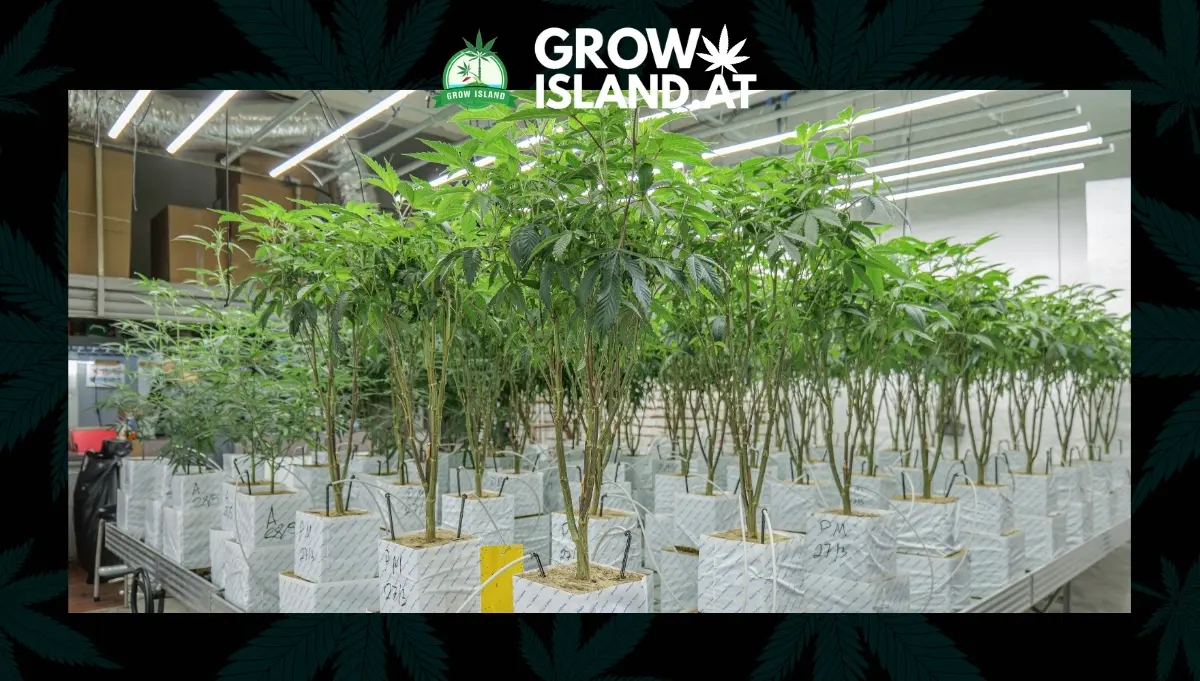
Once established, light intensity is typically increased gradually. During vegetative growth, moderate to higher PPFD ranges are often cited – commonly several hundred µmol/m²/s – though exact targets depend on equipment, distance, spectrum, and plant condition. The principle matters more than the number: choose intensity that supports performance without inducing water or leaf stress.
Temperature acts as a metabolic regulator in the background. Warmth can accelerate rooting, but it can also amplify problems if humidity, airflow, and hygiene are not properly controlled. Stability always outperforms extremes.
Watering, Nutrients, and Oxygen: The Often Overlooked Triangle
During the cloning phase, humidity and light receive most of the attention, yet the most common silent failure is an overly wet medium. Roots – and root initials – require not only water but also oxygen. If the substrate remains saturated, air pockets are displaced, significantly increasing the risk of root issues.
Effective clone setups therefore rely on a medium that retains moisture while remaining structurally stable and well aerated. Successful propagation depends on balancing water retention with proper drainage and oxygen availability.
The same principle applies to nutrients. Clones are not heavy feeders while their root systems are still developing. Many practical guidelines suggest increasing feeding only after clear signs of new growth indicate active water and nutrient uptake. This reduces stress and prevents the common beginner mistake of trying to “fertilize away” symptoms that are actually caused by environmental imbalance.
Whether grown in soil, coco, rockwool, or another medium, the underlying mechanics remain the same: a healthy cutting, clean conditions, controlled moisture, and time.
Hygiene is not an obsessive detail – it is a genuine success factor. Clean tools and containers reduce the risk of disease transmission, especially in humid environments where young plants are positioned closely together.
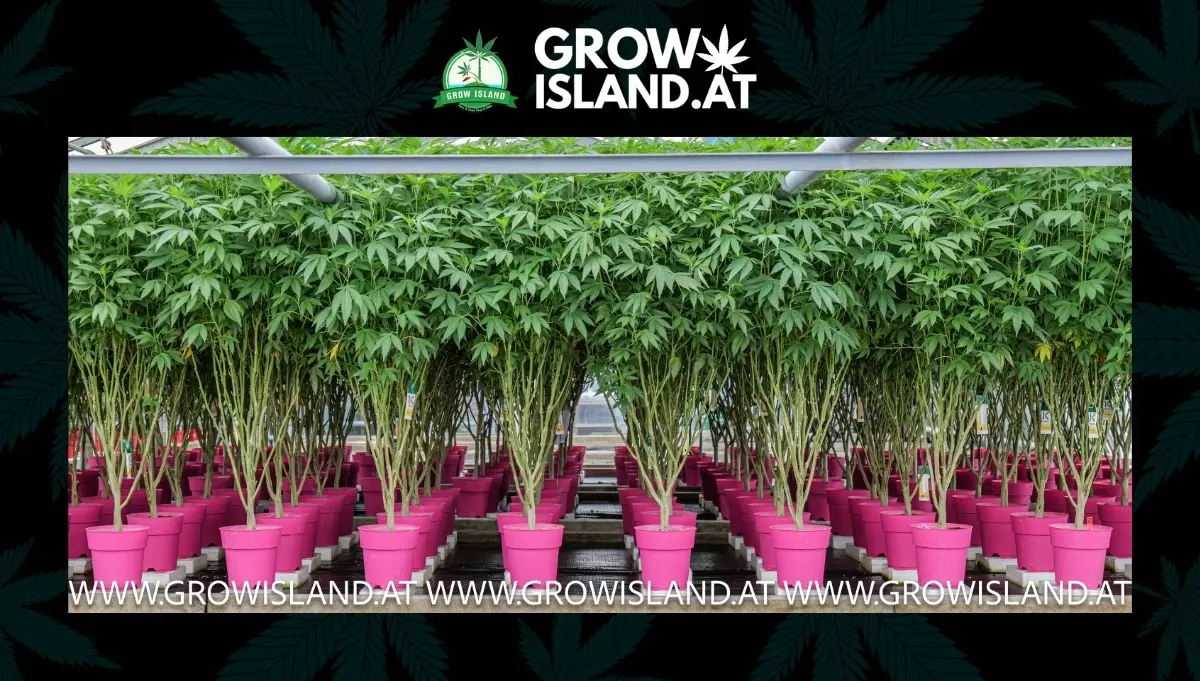
For growers who work with clones regularly, there is also a strategic advantage. Maintaining a healthy mother plant allows you to preserve preferred genetics over time. In legal markets, this consistency becomes a real quality asset, enabling you to work with reliable traits instead of starting from scratch each cycle.
What to Watch in Daily Practice
Clones communicate early through visual cues. Leaf tension (firm or drooping), uniform color, and the condition of the stem base are key indicators. Softness or discoloration near the base can signal excess moisture or oxygen deficiency – often the result of overly wet conditions.
The microclimate also provides signals. Very humid, stagnant air increases the risk of fungal and mold problems. General propagation recommendations therefore emphasize regular fresh air exchange, even under humidity domes. The goal is a moist yet dynamic environment.
When symptoms appear, start with the fundamentals: humidity, airflow, temperature stability, and cleanliness. In most cases, issues do not arise from a single dramatic mistake, but from small imbalances accumulating over time.
Key principle: During the cloning phase, the most aggressive optimization rarely wins – the most stable routine does.
Understanding the “Why” Behind It
High humidity reduces transpiration through the leaves, preventing wilting until roots can reliably supply water. This balance between water loss and water uptake is central to propagation physiology.
Light is not just energy; it is also pressure. Excess intensity can increase water stress, while moderate lighting keeps the plant functional without overwhelming it. That is why light levels during early rooting are typically kept lower than in later vegetative stages.
Oxygen in the medium and consistent hygiene act as quiet multipliers. When the substrate remains airy and clean, the likelihood of opportunistic pathogens and root problems drops significantly. This principle applies broadly across plant species, not only cannabis.
For many beginners, this is the turning point: once the fundamentals are stable, clone care feels logical rather than complicated.
Starting from clones combines efficiency with reliability. You work with known traits, skip the germination stage, and standardize routines more easily – especially in small indoor setups where stability matters more than constant experimentation.
At the same time, cloning opens the door to a sustainable “genetic library.” Maintaining a favorite mother plant allows consistent cultivation of the same characteristics over time – within legal frameworks – reducing resource waste and increasing predictability.




















Comments