Slow-Growing Cannabis Plants
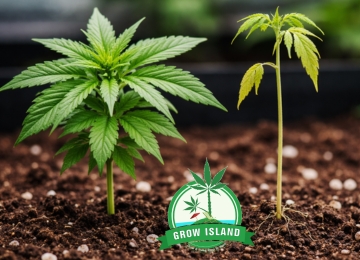
Slow-Growing Cannabis Plants – Identify the Causes and Fix the Problem
If your cannabis plants are growing slowly or seem to have completely stopped developing, there is always a reason behind it. Growth rarely slows down without a trigger. In most cases, environmental factors, nutrient imbalances, or plant stress are responsible. Below you’ll find a complete overview of possible causes—and what you can do about them.
Many growers experience this situation: everything looked fine yesterday, and suddenly growth stalls. Seedlings in particular react very sensitively to small changes. That’s why it’s important to systematically check every factor.

1. Old or Low-Quality Seeds
Healthy growth starts with high-quality genetics. Old seeds often germinate slowly—or not at all. Even if they sprout, the plants may grow weaker from the beginning. Stable, strong genetics from a reputable source are essential for vigorous development from seed to harvest.
2. Clone Stress
Cuttings require optimal rooting conditions. Without stable temperatures (around 22°C), slightly moist medium, and a pH around 6.0, root development may slow down. Applying rooting hormone immediately after cutting improves success rates. Too cold means no rooting; too hot can damage young roots.
3. Root Health Issues
Roots are the foundation of plant growth. Lack of oxygen—often caused by overwatering or poor drainage—slows metabolism significantly. Use a light, airy substrate with added perlite for better aeration. Roots should never be exposed to light, so always use opaque containers.
4. Excessive Stretching
If seedlings grow tall and thin, insufficient light is usually the cause. Increase light intensity or reduce the distance between the lamp and the plants. Temporary support stakes can help stabilize weak stems. When transplanting, placing seedlings slightly deeper can also improve stability.
5. Not Enough Light
Light is the most critical growth factor. Insufficient lighting will inevitably slow development. Indoor growers can adjust lamp distance, while outdoor plants should be placed in a sunnier location if possible.
6. Too Much Light
Excessive light intensity can also cause stress. Young plants are especially sensitive. If necessary, reduce intensity or increase the distance between the canopy and the light source.
7. Incorrect Light Spectrum
Vegetative growth requires a blue-dominant spectrum, while flowering benefits from red-dominant light. Using the wrong spectrum can lead to slow or unbalanced growth.

8. Light Interruptions During Dark Period
Photoperiod strains are highly sensitive to interruptions during their dark cycle. Even minor light leaks can disrupt hormonal balance. Complete darkness during the night phase is essential for proper flowering and development.
9. Overwatering
One of the most common beginner mistakes. Excess water reduces oxygen in the root zone, blocking nutrient uptake and slowing growth. Water only when the pot feels noticeably lighter.
10. Nutrient Deficiency
Most commercial soils provide nutrients for only 3–4 weeks. After that, additional feeding becomes necessary. Plants grown under stronger light require more nutrients than those under weaker lighting.
11. Calcium Deficiency
Signs include twisted new growth, discoloration of young shoots, and overall weakness. Adding dolomite lime to soil or using CalMag supplements can resolve the issue—especially important when growing in coco.
12. Incorrect pH Level
If the pH is outside the optimal range, plants cannot absorb nutrients properly. Soil: 6.5–7.0. Hydroponics: 5.6–5.8. Coco: 6.0–6.3.
13. Unsuitable Temperatures
Ideal daytime temperatures are between 25–30°C. Low temperatures slow metabolism, while extreme heat causes stress. Proper ventilation helps prevent heat buildup.
14. Pots That Are Too Large
Large containers retain more moisture than young plants can absorb. It’s better to start with smaller pots and transplant once the plant is stronger.
15. Pests and Diseases
Infested plants redirect energy toward defense instead of growth. Regular inspections—including the undersides of leaves—are essential. Preventive treatments such as neem oil can help reduce risk.
16. Physical Damage
Broken branches or tissue injuries force the plant to redirect energy toward healing. Protect outdoor plants from strong wind and heavy rain.
17. Stress from Training Techniques
Heavy pruning or aggressive training methods can temporarily slow development. Every cut requires recovery time.
18. Plant Age
Older plants have different nutrient requirements. Their tissue becomes woodier, and nutrient uptake efficiency decreases. Without adjusting feeding schedules, overfertilization and growth issues may occur.
 Összegzés
Conclusion
Slow growth is always a signal that something needs attention. By systematically checking light, water, nutrients, pH, temperature, and stress factors, you can almost always identify the cause. Cannabis responds quickly to improvements—often a small adjustment is enough to restart vigorous growth.
Back to the posts













Comments