Sunlight Requirements for Outdoor vs Indoor Cannabis
The Complete Guide to Outdoor Cannabis Cultivation: From Sunlight to Harvest
Professional tips and tricks from the experts at Grow Island
Outdoor cannabis cultivation is both an art and a science. While nature provides the basics, it is the grower’s knowledge and experience that ultimately determine the results. In this comprehensive guide, you’ll find all the essential information you need for a successful outdoor season—from optimizing sunlight to the harvest.
What Makes Outdoor Growing Special?
Growing cannabis outdoors is a unique experience that allows plants to express their full genetic potential. Natural sunlight, fresh air and the soil’s native microorganisms create an environment that is hard to replicate indoors.
The Magic of Sunlight
Sunlight is more than just an energy source—it’s the elixir of life for cannabis plants. The complex mix of wavelengths in the natural solar spectrum optimizes photosynthesis and maximizes terpene and cannabinoid production.
Why is natural sunlight superior?
-
Full-spectrum light (280–800 nm)
-
Changing intensity throughout the day
-
UV-B radiation that boosts resin production
-
Free and eco-friendly energy
Sunlight Needs in Detail: Science in Practice
Determining the optimal amount of sunlight
Cannabis plants require 10–12 hours of direct sunlight per day for optimal growth. However, this doesn’t mean you can’t have a successful grow with less light.
Sunlight categories and their effects:
Premium category (10–12+ hours direct sunlight):
-
Maximum biomass production
-
Dense, compact buds
-
High terpene and THC levels
-
Strong, resilient plants
Standard category (8–10 hours direct sunlight):
-
Good growth rate
-
Decent bud density
-
Balanced cannabinoid and terpene profile
-
Stable development
Minimum category (6–8 hours direct sunlight):
-
Slower growth
-
Looser bud structure
-
Reduced yields
-
Still viable for cultivation
Below critical level (under 6 hours):
-
Stretching and weak stems
-
Significantly reduced yields
-
Low cannabinoid content
-
Susceptibility to disease
The Science of Photoperiodism
Cannabis plants can be divided into two main categories based on their sunlight requirements:
Photoperiod (traditional) strains:
-
Respond to changes in the day/night ratio
-
Flower when days drop below 12 hours of light
-
Larger plants, longer vegetative period
-
Higher potential yields
Autoflowering strains:
-
Flower based on age (usually after 3–4 weeks)
-
Less dependent on light cycles
-
More compact growth
-
Faster life cycle (60–90 days)
.jpg)
Geographic Factors and Cultivation Timing
European Growing Calendar
Germany and Austria (45–50°N latitude):
-
March–April: Indoor seed starting
-
May: Transplanting outdoors (after the risk of frost)
-
June–August: Vegetative stage
-
September–October: Flowering and harvest
Daylight Hours Progression:
-
June: ~16 hours of daylight
-
July: ~15 hours of daylight
-
August: ~14 hours of daylight
-
September: ~12 hours of daylight (start of flowering)
Microclimate Optimization
Local microclimate can significantly affect cultivation success:
-
Southern or southeastern exposure
-
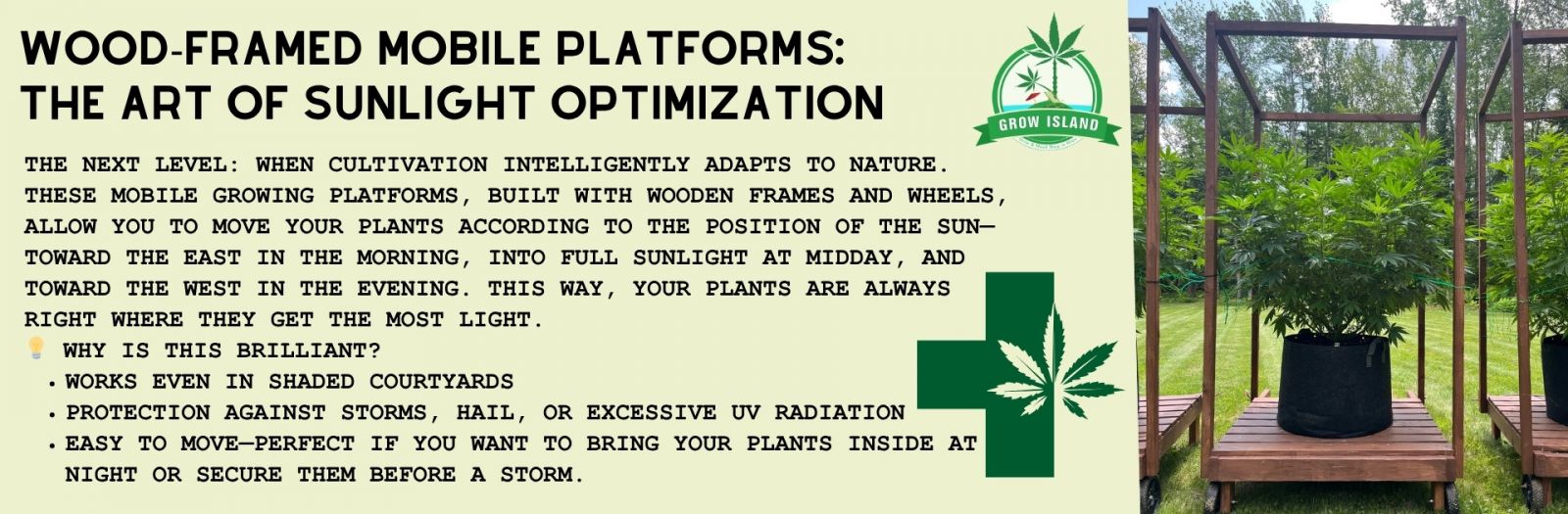
Morning sunlight (6:00–10:00)
-
Afternoon protection from intense sun (14:00–16:00)
-
Good air circulation
-
Protection from strong winds
Strain Selection: The Foundation of Success
Grow Island Recommended Seedlings
-
Hybrid dominance: 60% Indica / 40% Sativa
-
Flowering time: 8–9 weeks
-
Sunlight requirement: Optimal at 10+ hours
-
Characteristics: Fruity aroma, high yield
-
Outdoor height: 150–200 cm
Animal Tsunami cannabis seedling:
-
Hybrid dominance: 70% Indica / 30% Sativa
-
Flowering time: 9–10 weeks
-
Sunlight requirement: 8–10 hours
-
Characteristics: Strong effect, resilient nature
-
Outdoor height: 120–180 cm
Lemon Cherry Gelato cannabis seedling:
-
Hybrid dominance: 50% Indica / 50% Sativa
-
Flowering time: 8–9 weeks
-
Sunlight requirement: 10–12 hours
-
Characteristics: Citrusy-cherry flavor, premium quality
-
Outdoor height: 140–200 cm
Autoflowering Alternatives
Dutch Passion Auto Melonade Runtz:
-
Total cycle: 70–80 days
-
Sunlight requirement: Minimum 6–8 hours
-
Compact size: 60–100 cm
-
Characteristics: Fast, reliable, beginner-friendly
Growers Choice Auto Weddingcake x Frosty Gelato:
-
Total cycle: 65–75 days
-
Sunlight requirement: Optimal at 8–10 hours
-
Medium size: 80–120 cm
-
Characteristics: Sweet taste, high potency
Cultivation Techniques and Optimization
Sunlight Maximization Strategies
Site Preparation:
-
Removing objects that create shade
-
Using reflective surfaces
-
Optimal spacing between plants (1–1.5 m)
Plant Training Techniques:
-
LST (Low Stress Training): Carefully bending branches to ensure even light distribution and multiple main colas
-
Topping and FIMing: Cutting the main shoot to promote bushier growth and more flowering sites
-
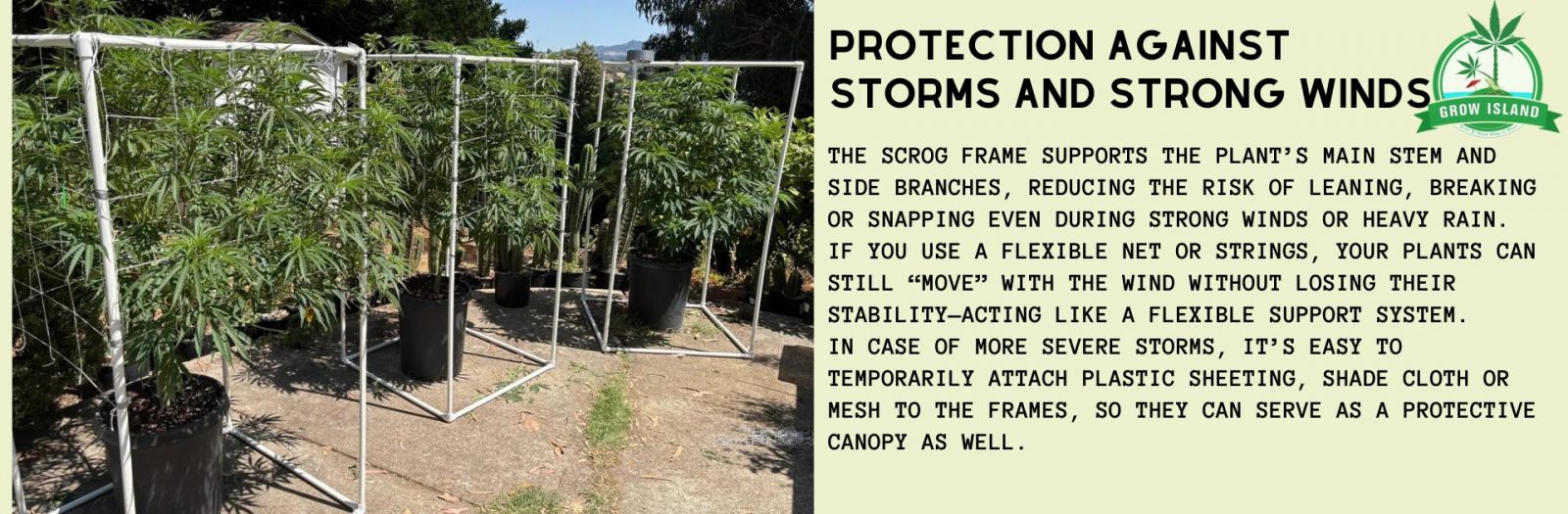
SCROG (Screen of Green): Using a net to create an even canopy, maximizing light utilization
Nutrient Management in Outdoor Conditions
Nutrient supply is critical during outdoor cultivation, especially under high sunlight intensity.
Advantages of the Biobizz Outdoor Pack:
-
Bio-Grow: Nitrogen-rich nutrient for the vegetative stage
-
Bio-Bloom: Phosphorus and potassium for flowering
-
Fish-Mix: Natural amino acids and micronutrients
Dosage Guide:
-
Vegetative stage: Bio-Grow 2–4 ml/liter
-
Flowering stage: Bio-Bloom 2–5 ml/liter
-
Fish-Mix: 1–2 ml/liter as an add-on
.jpg)
Watering and Water Management
Sunlight intensity greatly influences water needs:
-
High sunlight intensity (10+ hours): Daily watering required; morning irrigation preferred; use mulch to reduce evaporation
-
Moderate sunlight (6–8 hours): Water every 2–3 days, check soil moisture, avoid overwatering
Coco Coir: The Secret Weapon for Outdoor Cultivation
Coco Coir Advantages:
-
Water Management: Excellent water retention, good drainage, even moisture distribution
-
Root Development: Optimal air/water ratio, rapid root growth, healthy root system
-
Environmental Benefits: Renewable resource, recyclable, pH neutral
Using Coco Coir Outdoors:
-
Container Cultivation: 50–100 liter pots, coco coir + perlite (70:30), better nutrient control
-
Soil Amendment: Mix coco coir into garden soil for improved structure and better water retention
Seasonal Outdoor Growing Guide
Spring (March–May)
-
March: Indoor seed starting, acquiring seedlings, preparing the grow area
-
April: Hardening off seedlings, gradual acclimatization, waiting out final frosts
-
May: Transplanting outdoors (after frost risk), initial nutrient supply, setting up plant protection
Summer (June–August)
-
June: Intensive vegetative growth, regular watering and feeding, plant training techniques
-
July: Maximizing sunlight exposure, preventing heat stress, pest defense
-
August: Preparing for flowering, nutrient transition (less nitrogen, more phosphorus), harvesting autoflower strains
Fall (September–November)
-
September: Start of flowering stage, use of bloom nutrients, monitoring humidity
-
October: Prepare for harvest, check trichome ripeness, ready drying area
-
November: Harvest late strains, process the yield, plan the next season
.jpg)
Troubleshooting and Problem-Solving
Common sunlight-related issues:
-
Light Burn: Yellowish-white, crispy-edged leaves – Use shading and gradual acclimatization
-
Light Deficiency: Stretching, weak stems, yellowing lower leaves – Move to a sunnier spot or provide supplemental lighting
-
Heat Stress: Leaf curling, slowed growth – Shade plants, increase watering, optimize microclimate
Pests and Diseases
-
Prevention: Good air circulation, avoid overwatering, regular inspections
-
Natural Solutions: Neem oil, beneficial insects, companion plants
Harvest and Processing
Determining the Optimal Harvest Time
-
Clear trichomes: Early harvest
-
Milky trichomes: Optimum harvest time
-
Amber trichomes: Late harvest
-
Other signs: Browning pistils, yellowing leaves, swelling buds
Drying and Curing
-
Drying conditions: 18–22°C, 45–55% humidity, dark environment, good air circulation
-
Curing process: In airtight glass jars, daily airing, 2–4 weeks of curing
Legal Considerations and Responsible Growing
Regulatory Environment
The legal status of cannabis cultivation varies by country and region. Always check local laws and regulations before beginning cultivation.
-
Permitted plant count
-
THC content limits
-
Site regulations
-
Sales restrictions
Responsible cultivation practices:
-
Minimal use of chemicals
-
Water-saving irrigation
-
Preference for organic nutrients
-
Proper waste management
-
Discreet growing, odor reduction, being considerate to neighbors
Grow Island: Your Partner for Successful Cultivation
Grow Island has over a decade of experience in cannabis cultivation. Our expert team is constantly researching the latest growing techniques and products to ensure the best results for our customers.
Why choose Grow Island?
-
Quality Products: Carefully selected seedlings, premium seeds, reliable nutrients, professional equipment
-
Expert Support: Personal advice, cultivation guides, troubleshooting, community forums
-
Continuous Innovation: Latest techniques, new strains, R&D, keeping up with market trends
Conclusion: The Key to Successful Outdoor Cultivation
Success in outdoor cannabis cultivation is the result of many factors working together, but optimizing sunlight is without doubt one of the most important. Ensuring 10–12 hours of direct sunlight per day, choosing the right varieties, using quality nutrients and applying professional care techniques together guarantee excellent results.
Remember, every grower faces unique challenges and experience is the best teacher. Start small, pay attention to the signs your plants give and don’t hesitate to ask for help if needed.
Indoor and Outdoor Cannabis Cultivation – Complete Guide by the Grow Island Experts
Detailed comparison, strain recommendations and practical tips for both beginners and experienced growers
1. Why Choose Indoor or Outdoor Cultivation?
Selecting the cultivation method is crucial for both yield and quality. Indoor environments allow you to maximize every square meter through precise climate control, while outdoor cultivation leverages nature’s "free" resources—sunlight, rain, and open soil. Below, we explore these differences so you can always make the best decision for your needs.
To choose the right method, consider:
-
Physical space: Do you have enough indoor space or do you rely on a sunny garden?
-
Budget: Can you afford lighting, ventilation, and electricity or do you prefer the lower-cost, low-input outdoor option?
-
Time and commitment: Are you ready to tend your plants year-round or is one big seasonal harvest enough?
-
Experience: As a beginner, do you need something simple (though perhaps less predictable) or are you ready to take on a steep learning curve for full control?
2. Grow Island’s Selection: Seeds and Seedlings for Indoor and Outdoor
The Grow Island webshop offers everything you need for successful cultivation:
-
Feminized seeds: 100% guaranteed female plants, uniform phenotypes, less waste
-
Autoflowering seeds: Fixed 8–10 week lifecycle, independent of light cycle, frequent harvests
-
Standard photoperiod seeds: Full creativity with the length of the vegetative stage and plant training
-
Pre-grown seedlings: Save 3–4 weeks of sprouting time, stable, healthy clones
-
CBD-enriched strains: Genetics optimized for relaxation and medicinal use
Every product includes detailed yield, flowering time and environmental recommendations to help you easily find what’s right for you.
3. Detailed Strain Recommendations
Features: 60% Sativa / 40% Indica, fast flowering (8–9 weeks), medium height (100–140 cm indoors)
Indoors: up to 500–600 g/m², compact bushy form, premium buds
Outdoors: 600+ g/plant, hardy, tolerates colder nights
Forbidden Cherry (Dutch Passion, Autoflower)
Features: 50% Sativa / 50% Indica, 9–10 week full cycle, dense, resinous buds
Indoors: fast turnaround, no light cycle management, easily fit 9–12 plants/m²
Outdoors: up to 200–300 g/plant, adaptable genotype for strong sun and mild climate
Features: 90% Indica-dominant, only 60–80 cm tall indoors, 8 week full cycle
Indoors: ideal for small tents, up to 350–400 g/m², beginner favorite
Outdoors: can be kept on balconies in pots, ~100–150 g/plant, discreet size
Sleepy Joe (Anesia Seeds seedling)
Features: 80% Indica, 20% Sativa, 110–130 cm indoors, healthy root system
Indoors: 450–550 g/m², balanced terpene profile, relaxing evening effect
Outdoors: ~500–700 g/plant, mold-resistant, highly reliable genetics
Octane Fire OG (Growers Choice)
Features: Over 20% THC, 9 weeks flowering indoors, late September harvest outdoors
Indoors: 550–650 g/m², with strong lights and CO₂ up to 700 g/m²
Outdoors: 750+ g/plant, sturdy branching system, high yields by early September
4. Indoor vs. Outdoor Cultivation – Detailed Comparison Table
| Factor | Indoor Cultivation | Outdoor Cultivation |
|---|---|---|
| Yield | 400–650 g/m² on average; 700+ g/m² under optimal conditions | 300 g–1.5 kg/plant; wider range, year-dependent |
| Time Requirement | 12–16 week cycles; multiple cycles per year | 6–8 month cycle; one main harvest/year (more with autos) |
| Control | Complete: light, temperature, humidity, CO₂ | Partial: nature provides light and weather |
| Energy Need | High (lights, fans, climate control, CO₂ tanks) | Low (rain, sun, wind are free) |
| Pests | Fewer outdoor pests, but rapid spread if they get in | Many insects, molds, animal pests—constant protection needed |
| For Beginners | Steep learning curve; recommended: autoflower, feminized, small tent | Easier start; recommended: early/mold-resistant strains or seedlings |
5. Practical Tips and Tricks
-
Soil Use Outdoors: Enrich the soil with compost and perlite for better drainage.
-
Light Optimization Indoors: Use reflective foils (mylar, panda foil) for maximum coverage.
-
Water Management: Drip irrigation outdoors; indoors, monitor pH and EC in water.
-
Training and Pruning: SCROG or LST indoors; prune outdoor plants into a low, wide bush for better light exposure.
-
Temperature Fluctuations: Maintain indoor day/night difference at max 8–10°C; provide shade on very hot outdoor days.
-
Pest Defense: Outdoors, use companion plants (lavender, marigold); indoors, use sticky traps and HEPA filtration.
Summary
Indoor cultivation is best for those seeking total control, year-round harvests and high yields, even if it means higher initial investment and ongoing energy costs. Outdoor cultivation suits those who are budget-conscious, enjoy being close to nature and don’t mind waiting for a single large seasonal harvest.
Remember: The key to success is choosing the right strain, tailoring your environment to your needs, and providing care suited to the circumstances. Grow Island’s full range will help you find the best seeds and seedlings for any cultivation style!
The Grow Island team is always here to support your growing journey. Visit us in-store or on our website to discover our product selection with everything you need for successful cultivation.
Patience, knowledge and having the right tools are the ingredients for the best results. Good luck with your next growing season!
This article is for educational purposes only. Always comply with local laws and regulations. Grow Island assumes no responsibility for your cultivation activities.
Contact:
-
Website: www.growisland.at
-
Personal advice: Vienna, Austria
-
Social media: @growisland
Written by: Bartholomew Alen
Last updated: June 29, 2025
Back to the posts


Comments