Identify, Prevent and Properly Treat Mold on Cannabis
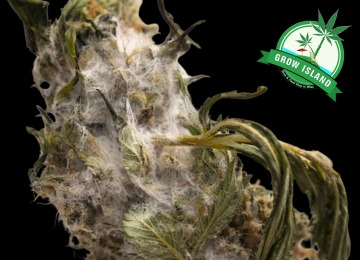
Cannabis and Mold: A Complete Guide to Identification, Prevention, and Treatment
When growing cannabis, most growers quickly recognize insects, rodents, and other visible pests. However, there is a far more subtle enemy that often only becomes visible after serious damage has already occurred: mold.
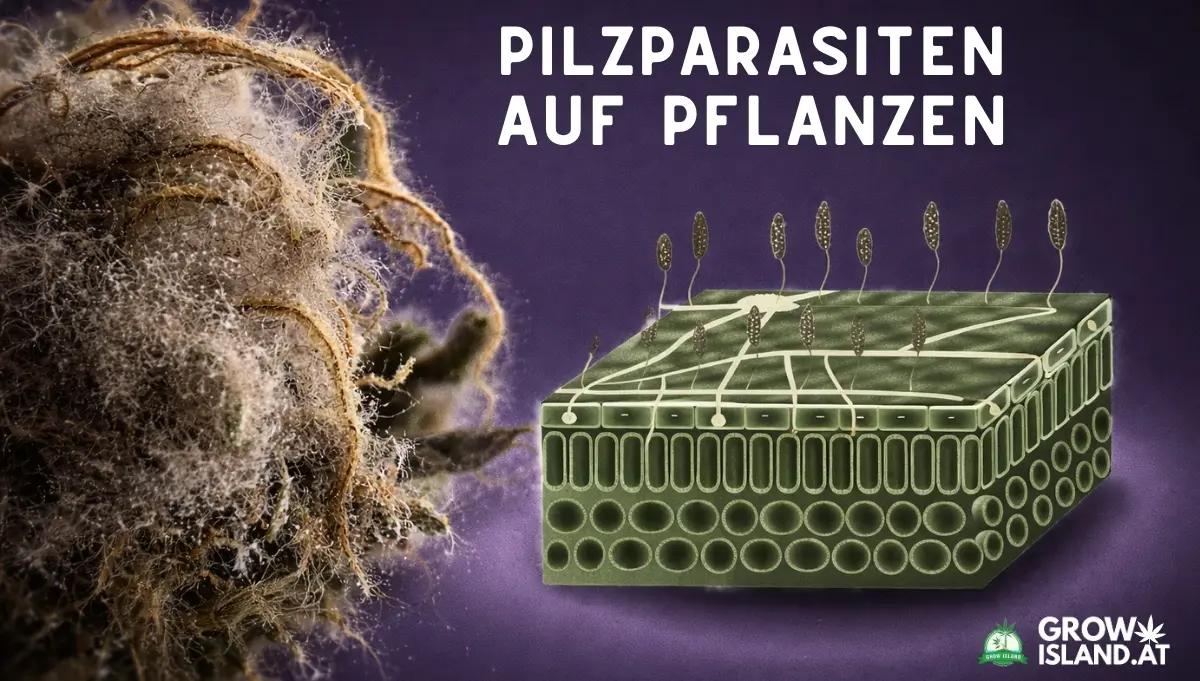
Mold fungi exist as microscopic spores that are constantly present in the air, soil, and surrounding environment. When conditions become favorable—such as high humidity, poor air circulation, or damaged plant tissue—these spores can rapidly multiply. This can significantly reduce yields and in severe cases even destroy entire harvests.
In this guide we will cover in detail:
- what mold is and how it develops
- which types of mold most commonly affect cannabis plants
- when mold usually appears during the growing cycle
- how to prevent and treat mold infections
Whether you grow cannabis indoors in a grow room or outdoors in natural conditions, understanding mold prevention is essential for maintaining healthy plants and high-quality flowers.
What Is Mold?
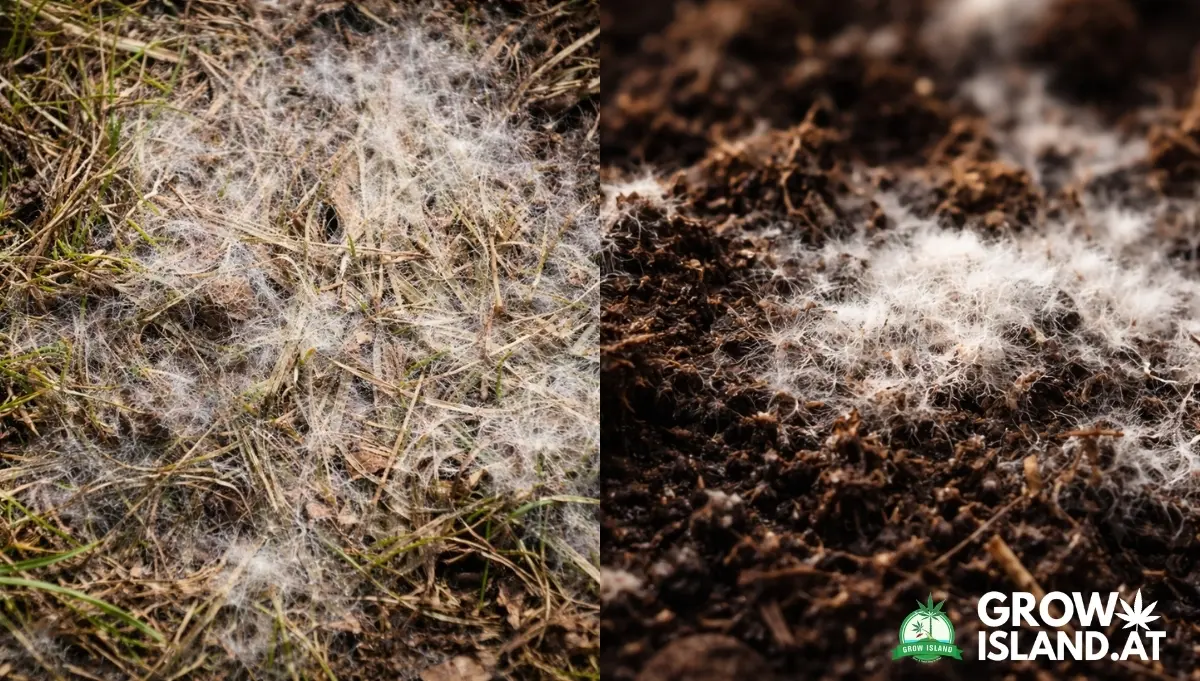
Mold refers to a large group of fungi that play an important role in the natural decomposition process. Fungi form what is known as a mycelium, a network of tiny filaments called hyphae.
Unlike animals, fungi do not have a digestive system. Instead, they release enzymes that break down organic materials—such as plant matter or wood—outside their bodies. The dissolved nutrients are then absorbed.
In nature, this process is essential because mold helps recycle dead organic matter back into the soil. However, in cannabis cultivation it becomes problematic because these fungi can also attack and break down living plant tissue.
How Does Mold Develop?
Mold fungi have existed on Earth for more than 1.5 billion years, and today more than 100,000 species are known. Although they have adapted to many different environments, most share one important characteristic: they thrive in moisture.
Mold typically develops when three key conditions are present:
- high humidity
- an organic food source (such as plant tissue)
- stagnant air or poor ventilation
Cannabis flowers can provide the perfect environment for mold growth because dense, resinous buds can easily trap humid air inside.
Mold Spores and Reproduction
Mold spreads through spores. These microscopic particles float continuously through the air and can travel long distances.
If a spore lands in a suitable environment—for example on a moist leaf surface—it will:
- germinate
- produce hyphae
- form a network of mycelium
Some spores reproduce asexually, while others combine with compatible spores to produce new generations.
This is why eliminating mold completely is nearly impossible—spores are always present in the environment.
The Dangers of Mold in Cannabis Cultivation
Many growers initially consider mold to be only an aesthetic issue. In reality, it can create several serious problems.
Reduced Yield
Mold damages plant tissue, reducing the plant’s ability to perform photosynthesis and slowing overall growth.
Destruction of Flowers
A severe infection can cause entire buds to rot, potentially ruining a large portion of the harvest.
Health Risks
Some molds produce toxic compounds known as mycotoxins. When inhaled or consumed, they may cause health problems—especially for people with weakened immune systems.
Common Types of Mold on Cannabis
Cannabis plants can be attacked by several different fungal species. Some of them are particularly common in grow environments.
Botrytis – Bud Rot
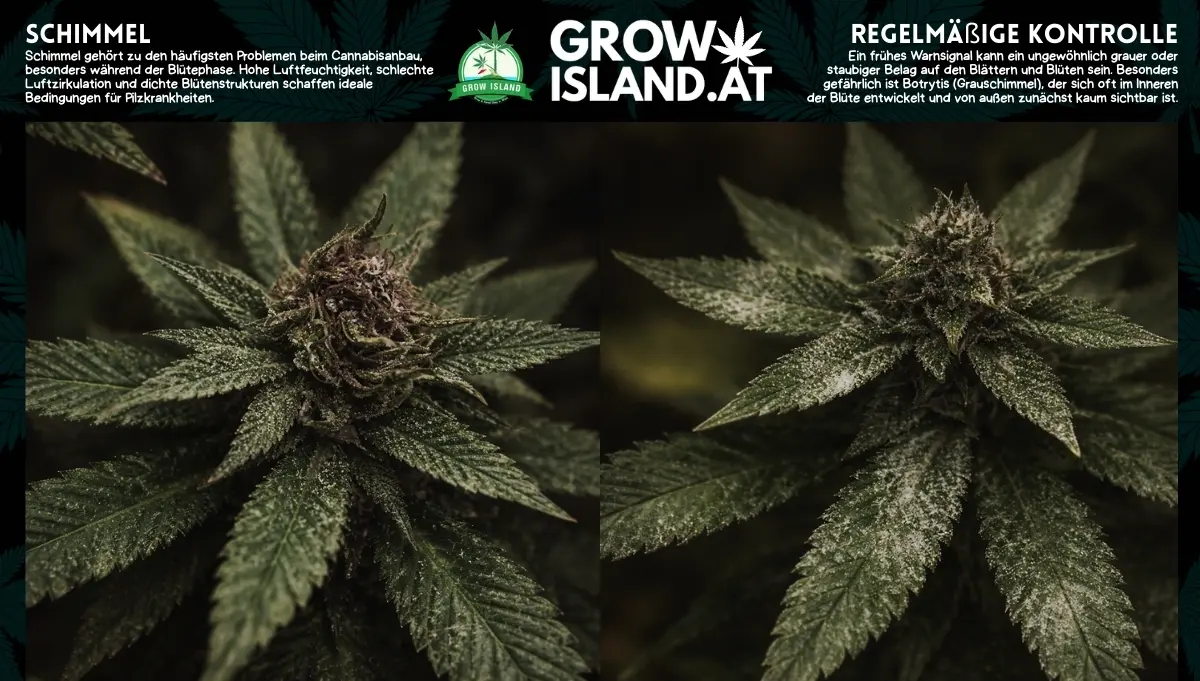
Botrytis, also known as gray mold, is one of the most destructive types of mold affecting cannabis plants. It usually begins inside dense buds where airflow is limited.
Symptoms:
- brown or gray spots inside the buds
- fuzzy gray mold growth
- wilting leaves
- buds rotting from the inside
Causes:
- high humidity
- cool and damp weather
- damaged plant tissue
Treatment:
- remove infected buds immediately
- use sterilized pruning tools
- discard infected plant material
Powdery Mildew
Powdery mildew is another common fungal disease that appears as a white powdery coating on leaves.
Symptoms:
- white dusty patches on leaves
- deformed foliage
- slower plant growth
Prevention:
- good airflow
- lower humidity
- adequate spacing between plants
Treatment:
- remove infected leaves
- apply neem oil spray
- use organic fungicides
Sooty Mold
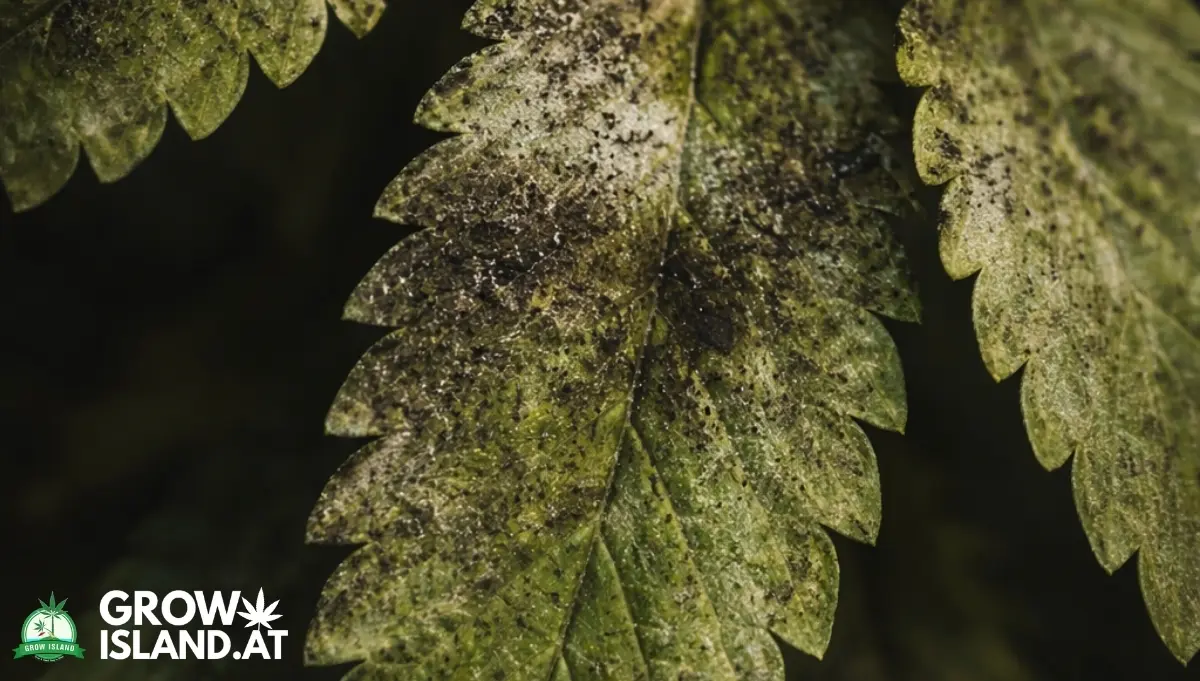
Sooty mold does not directly attack the plant. Instead, it grows on the sticky honeydew secreted by sap-sucking insects.
Common insects responsible include:
- aphids
- whiteflies
- leafhoppers
This mold appears as a black coating on leaves, which can interfere with photosynthesis.
Fusarium – Root Rot
Fusarium is a highly destructive soil fungus that attacks the root system and can kill entire plants.
Symptoms:
- sudden wilting
- root rot
- stunted growth
This fungus can survive in soil for many years, making it particularly difficult to eliminate.
Mold in Soil
Soil contains countless microorganisms. Some are beneficial, while others are harmful. Fortunately, biological methods exist to control harmful fungi.
Beneficial microorganisms include:
- Trichoderma
- Bacillus subtilis
- Gliocladium
These organisms help suppress harmful fungal pathogens in the soil.
When Does Mold Usually Appear?
Mold can appear during several stages of the cannabis life cycle.
Vegetative Stage
During the vegetative phase, plants grow rapidly and develop large leaves. These conditions can be ideal for powdery mildew, especially in crowded grow rooms.
Important factors:
- good airflow
- proper plant spacing
- lower humidity
Flowering Stage
The flowering stage carries the highest risk for mold. Dense buds create a microclimate that can trap moisture.
Particularly risky conditions include:
- high humidity
- poor ventilation
- an overly dense canopy
Drying and Curing
Mold can also develop after harvest. During curing, cannabis flowers are often stored in jars. If humidity remains too high, mold may quickly develop.
Recommended practices:
- use a hygrometer inside curing jars
- open jars daily to release moisture
- dry buds properly before curing
How to Prevent Mold
Prevention is always easier than treatment.
Indoor Growing
- use a hygrometer to monitor humidity and temperature
- install fans and an exhaust system
- use a dehumidifier if humidity becomes too high
- inspect plants daily
- defoliate to improve airflow through the canopy
An ideal temperature range is generally around 23–25°C (73–77°F).
Outdoor Growing
- choose a sunny location
- maintain proper spacing between plants
- protect plants during long periods of rain
- use movable containers when possible
Selecting mold-resistant cannabis genetics can also greatly reduce risk.
Conclusion
Mold is one of the biggest threats in cannabis cultivation. Because spores are everywhere in the environment, they cannot be completely avoided. However, with proper environmental control and preventive strategies, the risk can be significantly reduced.
The key factors are:
- controlled humidity levels
- good air circulation
- a clean growing environment
- regular plant inspection
By following these principles, growers can maintain healthy cannabis plants and produce high-quality flowers.
Back to the posts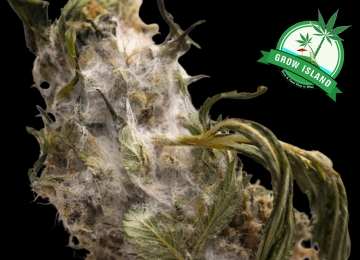
















Comments