Cannabis Heat Stress: Tips to Prevent Heat and Drought Damage
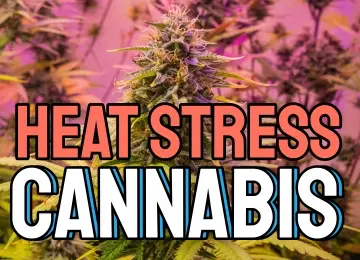
The hottest part of summer can transform an outdoor cannabis grow within only a few days. Air temperatures above 35 °C, intense midday radiation, dry wind and containers standing on hot concrete all increase water demand. At the same time, the root zone may overheat, oxygen availability can decline and the plant may no longer be able to replace water as quickly as its leaves lose it.
Cannabis heat stress is therefore not simply a number on a weather app. The real load depends on leaf temperature, root temperature, relative humidity, wind, solar radiation, container size, substrate, irrigation, genetics and the duration of the heatwave. A mature, well-rooted plant in a large pale container reacts very differently from a recently transplanted clone in a small black pot on a reflective balcony.
This guide explains how to recognize heat and drought stress, water cannabis during hot weather, keep the root zone cooler, use shade cloth correctly and prevent summer pests. The interactive quiz near the end connects seven practical details about your location with one of five possible Grow Island product directions. It is a planning aid rather than a scientific heat-tolerance ranking.
What Happens to Cannabis During Extreme Heat?
Cannabis moves water from the roots through the vascular system and releases part of it through microscopic pores in the leaves. This process, called transpiration, helps transport minerals and cool the leaf surface. When the surrounding air becomes hotter and drier, the atmospheric demand for water rises. If the root system can supply enough water, the plant may remain active. If water loss exceeds uptake, the plant begins to protect itself.
One protective response is partial stomatal closure. It reduces water loss, but it also restricts carbon dioxide entry. Photosynthesis slows, growth becomes less efficient and the leaves may feel warmer because evaporative cooling has declined. This is why a plant can look stressed even though the substrate is not completely dry.
Short periods of midday drooping can be reversible. A plant may lose some firmness during the hottest hours and recover after sunset. Repeated or prolonged stress is more serious. It can reduce growth, damage fine roots, disturb nutrient uptake and make the plant more vulnerable to spider mites, thrips and other opportunistic pests. For a broader overview of plant responses, see the Cannabis Stress Guide .
How to Recognize Cannabis Heat Stress
| Visible sign | Possible cause | First response |
|---|---|---|
| Leaf edges curl upward | High leaf temperature, intense light or dry air | Check root moisture and provide temporary afternoon shade |
| Plant droops mainly at midday | Water loss temporarily exceeds root uptake | Confirm moisture before adding more water |
| Dry brown margins | Prolonged heat, drought or salt stress | Inspect irrigation, root temperature and feeding strength |
| Pot becomes light within hours | Small root volume, wind and rapid evaporation | Use mulch, shade the pot and consider more root space |
| Silver marks or pale dots | Thrips or spider mites rather than heat alone | Inspect leaf undersides with magnification |
Drooping does not automatically mean underwatering. A saturated, oxygen-poor root ball may produce a similar appearance because damaged roots cannot function properly. Check the weight of the container, moisture below the surface and drainage before reaching for the watering can. The detailed cannabis watering guide explains how to distinguish the two extremes.
How to Water Cannabis During Hot Summer Weather
Water early in the morning
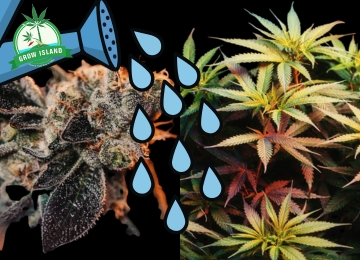
Early morning is usually the safest irrigation window outdoors. The root zone is cooler, evaporation is lower and the plant can begin the hottest part of the day with an available water reserve. Apply water slowly enough to wet the active root zone evenly. A quick splash over the surface often creates a wet upper layer while deeper roots remain dry.
Very dry peat-based substrate can become water-repellent. If water immediately runs down the side of the pot, use several smaller passes with short pauses. This allows the medium to absorb water instead of directing it straight to the drainage holes. Good runoff can show that water reached the bottom, but runoff alone does not prove that the entire root ball became evenly moist.
Do not water by the calendar alone
A fixed schedule such as one litre every evening ignores plant size, wind, humidity, substrate and container volume. During a heatwave, a large plant may require several checks per day. That does not mean it should automatically receive a full irrigation every time. The goal is a stable moisture cycle, not permanently saturated substrate.
Use water at a moderate temperature
Water stored in a black hose or an exposed tank may become dangerously hot. Test it before irrigation and keep reservoirs shaded. Ice-cold water is not an ideal shortcut either: a sudden temperature shock can add another stress. Moderate water temperature and prevention of root-zone heating are more reliable than trying to cool an already overheated root ball abruptly.
Separate irrigation from aggressive feeding
Heat-related slowing is not proof of nutrient deficiency. When uptake is restricted, increasing fertilizer concentration can raise the salt level around the roots and make water uptake even harder. Stabilize the environment first. If symptoms remain after temperature and irrigation are corrected, compare them with the Grow Island guide to nutrient-related problems and adjust feeding cautiously.
Protect the Root Zone From Overheating
The leaves receive most of the attention because they show stress first, but the root ball is often the weakest part of a container grow. Dark plastic absorbs solar energy and may become far hotter than the surrounding air. Roots close to the wall of the container are exposed first. As root temperature rises, respiration and water relations change, oxygen becomes more limiting and fine root function can decline.
Several simple measures work together:
- Choose pale containers or place a light, breathable shield around dark pots.
- Keep containers off hot concrete, metal roofs and heat-reflecting surfaces.
- Use a sufficiently large root volume; 30–50 litres may provide a much more stable buffer for a substantial outdoor plant.
- Cover the surface with an airy mulch such as straw, bark or hemp fibre.
- Maintain free drainage and never leave the container standing in stagnant water.
- Shade the container itself even when the upper canopy remains in direct sun.
Mulch reduces direct solar heating of the substrate surface and slows evaporation. Do not press a thick, wet layer directly against the stem. Leave a small open ring around the base and check underneath periodically for pests, fungal growth and excessive moisture.
Why Container Size Matters So Much in Summer
A small container stores less water and changes temperature quickly. In severe sun, the outer part of the root ball may move from comfortably moist in the morning to dry and hot in the afternoon. Repeated drying and rewetting can damage fine root hairs and create an unstable nutrient environment.
A larger container acts as a water and temperature buffer. It gives roots more volume to explore and normally changes more slowly. However, large pots are not automatically safe from overwatering. Dense substrate, poor drainage or a saucer full of water can still create oxygen deficiency. Container size and substrate structure must work together.
Black plastic, fabric or pale containers?
Black plastic absorbs radiation efficiently. A pale outer sleeve, reed screen or ventilated cover can reduce heating. Leave an air gap where possible instead of wrapping the pot tightly. Fabric containers provide excellent gas exchange, but their sides may lose water quickly in hot wind. They can perform well when irrigation is reliable, yet become demanding on an exposed terrace.
There is no universally perfect container. Select one that matches the climate, your ability to check the plants and the expected mature size. If using coco-based media, remember that the irrigation strategy differs from a heavy soil mix; the Grow Island article on coco coir provides useful background.
Shade During Heatwaves
Many growers believe cannabis must receive full sun at all times. Strong light is important under normal conditions, but above 35 °C the combination of radiation and dry air may exceed what a young or container-grown plant can safely manage. Temporary shade during the harshest part of the afternoon can reduce leaf and root-zone load without depriving the plant of useful morning light.
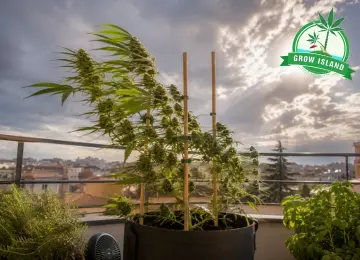
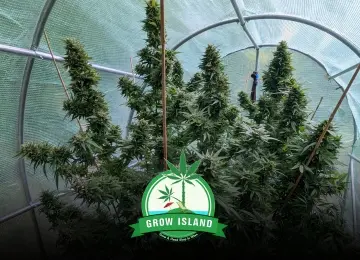
A shade cloth providing approximately 30–50% shading is often more practical than a solid cover. It is especially useful for young plants, recently transplanted clones, small pots, south-facing balconies, reflective terraces and multi-day heatwaves approaching 40 °C.
Do not turn the shade structure into a dark, stagnant tent. Keep the material away from the leaves and leave the sides open so air can move. Introduce full sun gradually when a plant has previously been grown indoors or under weaker lighting. Sudden exposure can create light stress even when the air temperature is not extreme. For location-specific ideas, see Growing Cannabis on Balconies and Terraces and the comparison of outdoor and indoor sunlight requirements .
Five Common Mistakes During a Heatwave
1. Adding more water every time leaves droop
Midday drooping may occur even when the root ball is moist. Repeatedly saturating it can leave the roots without enough oxygen by evening. Confirm moisture at depth and observe whether the plant recovers after temperatures fall.
2. Using ice-cold water as emergency cooling
Abrupt cooling is not the same as stable root protection. Shade the pot, insulate it from hot surfaces and use moderate water instead of exposing stressed roots to a sudden thermal change.
3. Heavy defoliation in the hottest weather
Transplanting, severe bending and removing many leaves all require recovery. Avoid stacking several stresses during peak heat. If airflow needs improvement, work gradually and read the guide to cannabis defoliation before making a major change.
4. Increasing nutrients because growth slowed
Heat can reduce uptake and photosynthesis. Stronger feed may add salt stress without solving the underlying problem. Restore a workable root temperature and moisture cycle first.
5. Spraying flowers to cool the plant
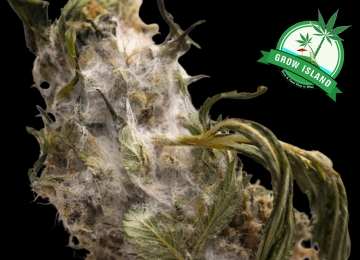
Wet flowers combined with dense growth and humid nights can increase mold risk. Foliar misting does not replace root irrigation. During flowering, prioritize root-zone stability, airflow and shade. The article Identify, Prevent and Properly Treat Mold on Cannabis explains the warning signs.
Why Summer Pests Multiply So Quickly
Hot, dry weather favours several common cannabis pests. A stressed plant may be less capable of compensating for feeding damage, while the life cycle of some pests becomes faster. Visible damage on upper leaves may appear only after a larger population has already developed underneath the canopy.
Spider mites
Spider mites thrive in warm, dry conditions. Early signs include tiny pale dots and a dull or bronze appearance. Fine webbing usually indicates a more advanced population. During prolonged dry periods, inspect leaf undersides at least twice per week, especially on plants near dusty walls or previously infested ornamentals.
Thrips
Thrips create irregular silvery feeding scars. Check fresh shoots and protected folds in leaves. Magnification or a clear macro photograph can help distinguish moving insects and dark droppings from ordinary dust or mineral residue.
Aphids
Aphids often gather on tender shoots and leaf undersides. Curled new growth, sticky honeydew and increased ant activity can reveal them. Remove heavily affected material only when doing so will not cause excessive additional stress.
Preventing Pest Pressure Before an Outbreak
- Inspect consistently: check leaf undersides, fresh growth and discoloration at least twice weekly.
- Maintain airflow: stagnant pockets of hot air increase plant stress and make inspection difficult.
- Keep plants balanced: drought-stressed or overfed plants are less resilient.
- Encourage beneficial organisms: ladybirds and predatory mites can help suppress pest populations.
- Isolate suspicious plants: when practical, separate a new or affected plant before pests spread.
- Keep the area clean: remove dead leaves and inspect nearby host plants rather than treating only cannabis.
The broader Grow Island guide to pests and mold in cannabis cultivation can help you build a preventive routine.
A Daily Heatwave Management Plan
Early morning
Check container weight and moisture at more than one point. Water slowly when needed. Inspect several leaf undersides and the newest shoots. Confirm that the reservoir, irrigation lines and shade cloth are ready before temperatures rise.
Late morning
Secure tall branches without cutting into the stems. Make sure the container shield still allows air circulation. If a shade cloth is used only during peak heat, position it before the plant is already severely stressed.
Peak afternoon heat
Avoid transplanting, hard training and major pruning. Observe whether drooping is mild and stable or rapidly worsening. If the medium remains moist, reduce radiation and root heating rather than adding another full watering automatically.
Evening
Check whether the plant regained firmness. Continued severe drooping after temperatures fall requires closer investigation of drainage, root condition, moisture and pests. Do not leave containers standing in runoff overnight.
Heat Stress at Different Growth Stages
Seedlings and newly rooted clones
Young plants have limited root systems and little stored water. Their leaves may also be unprepared for intense ultraviolet radiation and wind after indoor production. Harden them gradually by increasing outdoor exposure over several days. The guide Cannabis Clones from Grow Island provides useful background for a strong start.
Vegetative plants
A large vegetative canopy can transpire heavily, but a healthy root system may also recover quickly. Focus on stable growth rather than forcing speed with extra fertilizer. Provide support before strong summer wind arrives and keep enough internal airflow without stripping the plant aggressively.
Flowering plants
Prolonged heat during flowering may contribute to airy development, reduced aroma retention or environmentally driven foxtailing. Dense flowers can also trap moisture when hot days are followed by humid nights. Protect flowers from unnecessary spraying and inspect their interior carefully. The guide explaining why cannabis buds foxtail helps separate genetic expression from stress.
Outdoor Grows in Southern Europe
Growers in Spain, Italy, Greece and Portugal may face weeks of 35–40 °C weather. In these regions, heat protection should be part of the original setup rather than an emergency reaction. Large pale containers, automated irrigation with a reserve, mulch, temporary afternoon shade, wind management and acclimatized plants form a much safer system than relying on one solution.
Genetics can influence structure, season length and environmental response, but no cultivar can compensate for a cooked root ball or an empty water reservoir. Use the Best Outdoor Cannabis Clones List 2026 , the Top 10 Most Resilient Cannabis Strains and the guide to outdoor photoperiod growing as additional planning resources.
How to Help a Heat-Stressed Plant Recover
Stabilization comes before stimulation. Give a severely stressed plant bright temporary shade, confirm root moisture and improve airflow. Do not automatically flood wet substrate or increase feeding. Avoid major training for several days and watch the quality of new growth rather than expecting damaged leaves to become perfect again.
Completely dry tissue will not turn green. Recovery is visible when new leaves develop normally, daily water use becomes predictable and the canopy regains firmness after the hottest hours. If symptoms continue to worsen after heat and irrigation are corrected, investigate pests, root disease, pH and nutrient imbalance. The article about slow-growing cannabis plants offers a broader diagnostic framework.
Quiz: Which Cannabis Plant Best Matches Your Hot Outdoor Location?
Answer seven questions about heat, root space, growth preference, irrigation, shade, airflow and experience. The quiz returns one possible product direction. It does not prove that one commercial cultivar is scientifically more heat tolerant than another.
Summer Heat Plant Quiz
Find a plant direction that may fit your outdoor environment and level of control.
 Mango Haze AUH2
  Jack Herer
  Super Silver Haze
  AK 47
AK 47 
Starting point: White Widow
A balanced starting direction for growers who want manageable structure and a practical setup.
Important: Heat protection, root space and reliable irrigation remain essential.
View White WidowImportant note about the quiz
The result is not a scientifically verified heat-tolerance ranking. Direct comparative data for these commercial cultivars under identical heat conditions are not available. Phenotype, root development, acclimatization, container size and irrigation may matter as much as the cultivar name.
Hot Summer Checklist
- Check substrate moisture and container weight early in the morning
- Use an airy mulch layer
- Inspect leaf undersides at least twice per week
- Protect containers from direct solar heating
- Maintain gentle airflow
- Consider temporary shade above 35 °C
- Watch for spider mites, thrips and aphids
- Identify drought stress before damage becomes permanent
Conclusion
Midsummer often decides whether an outdoor grow remains stable or enters a cycle of drought stress, root damage and pest pressure. High temperature is rarely the only cause. The dangerous combination is strong radiation, insufficient root volume, irregular irrigation, hot containers and delayed pest detection.
Water early when the root zone actually needs it, protect containers, use temporary afternoon shade during extreme conditions and inspect plants consistently. With these measures, cannabis can remain far more resilient through July and August. Genetics can support the plan, but careful environmental management is what allows that genetic potential to be expressed.
Legal note: Always follow the laws that apply where you live. This article provides general horticultural information only.











Comments