What Does Cannabis Anatomy Reveal About Plant Health?
Cannabis Plant Anatomy: From Roots to Trichomes
By: Bartholomew Alen
Cannabis is one of the most fascinating and complex plants in the world. Most people immediately think of the flowers because they contain the majority of the plant’s aromas, resins, and naturally occurring compounds. In reality, however, every part of the plant plays an important role in healthy development, resilience, and the expression of its genetic potential.
Roots, stem, leaves, branches, flowers, pistils, stigmas, and trichomes are all components of a highly sophisticated biological system. Understanding cannabis plant anatomy makes it much easier to identify deficiencies, stress symptoms, and different stages of development.
Why Is It Important to Understand Plant Anatomy?
One of the foundations of successful cultivation is understanding the role of each plant structure. Every leaf, root, and flower serves a specific purpose within the plant's life cycle.
- Problems can be identified more quickly
- Growth processes become easier to understand
- Deficiencies can be diagnosed more accurately
- Plant care can be optimized more efficiently
Mycorrhiza – The Invisible Helper in the Root Zone
Although mycorrhiza is not technically part of the cannabis plant itself, it can play a crucial role in plant development. These beneficial soil fungi live in symbiosis with the root system, creating a partnership that benefits both organisms.
Mycorrhizal fungi develop an extensive network of microscopic fungal threads throughout the soil. This network can dramatically increase the area from which the plant can absorb water and nutrients.
In return, the plant provides the fungi with sugars produced during photosynthesis, supplying them with a reliable source of energy.
Potential Benefits of Mycorrhiza
- More efficient water uptake
- Improved phosphorus and micronutrient absorption
- Stronger root development
- More active soil biology
- More balanced plant growth
Seed – The Beginning of Life
The life cycle of a cannabis plant begins with a tiny seed. Within this seemingly simple structure lies all the genetic information that determines the future characteristics of the plant.
The seed contains the genetic blueprint responsible for growth patterns, plant structure, aroma profiles, flowering traits, and many other inherited characteristics.
Inside the seed is the embryo, which begins to develop when suitable conditions are present. The taproot emerges first, followed by the cotyledons and the young shoot.
Successful germination generally requires:
- Adequate moisture
- Sufficient oxygen
- Temperatures between 21°C and 26°C (70°F–79°F)
- A stable environment
Grower Tip
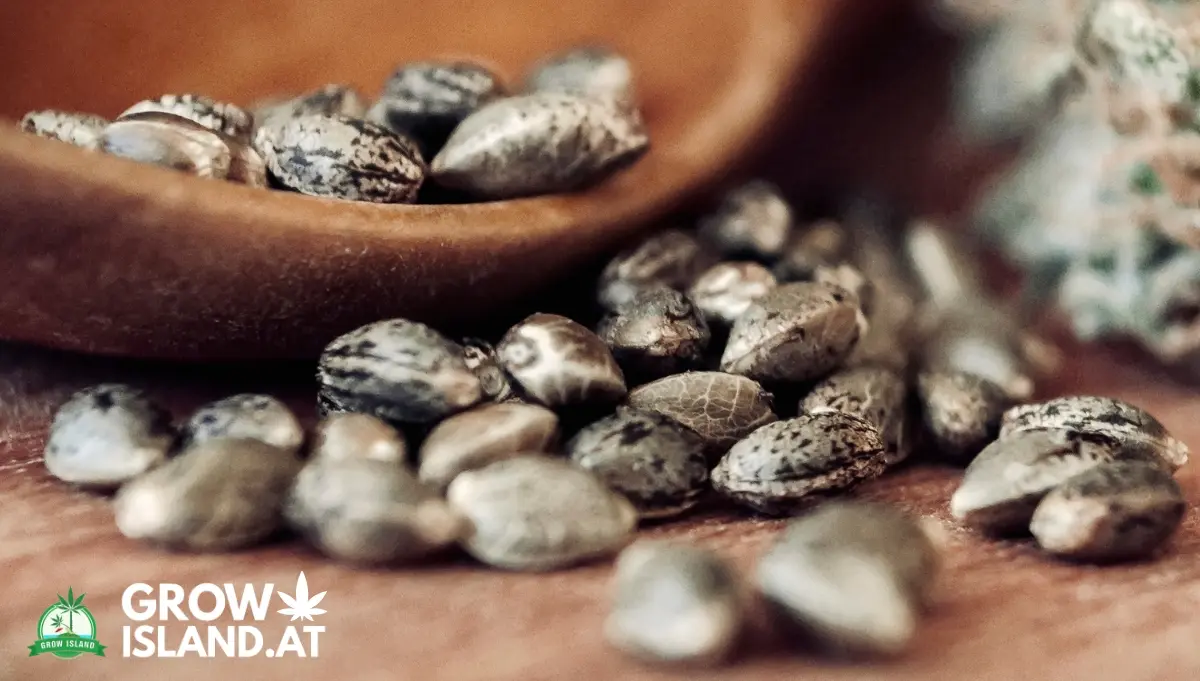
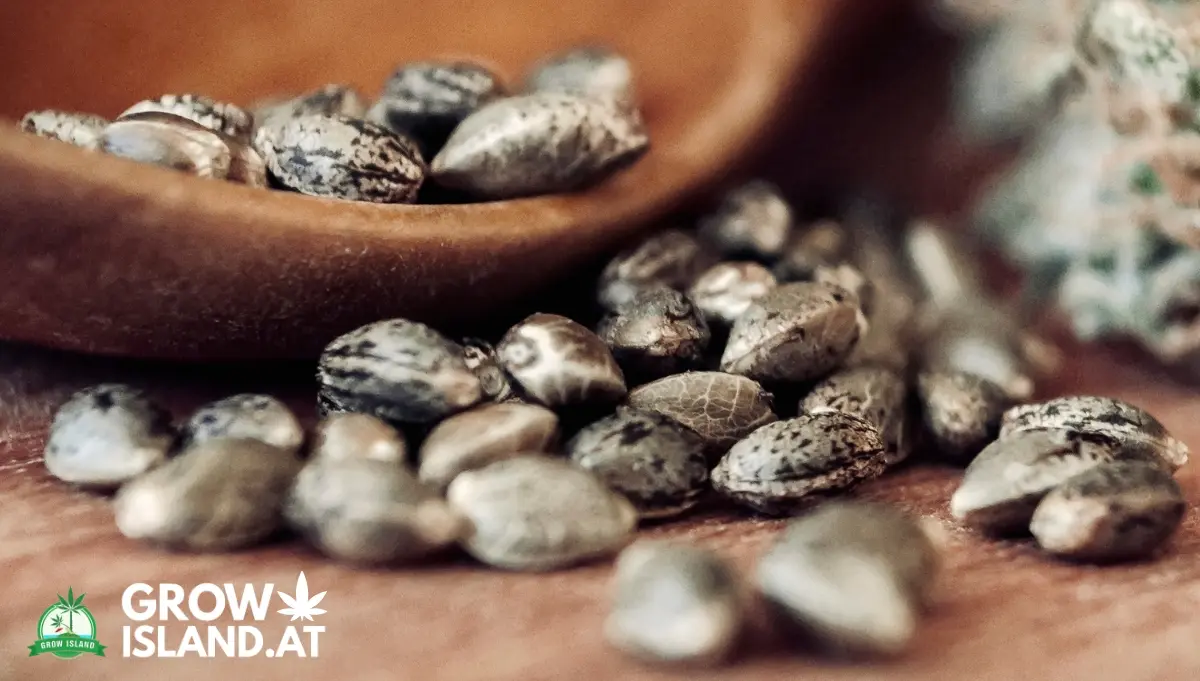
Mature cannabis seeds are typically dark brown, firm to the touch, and often display a marbled pattern. Very pale or soft seeds generally have lower germination potential.
Did You Know?
A single cannabis seed can carry thousands of genetic traits. These influence factors such as plant vigor, leaf structure, flowering behavior, aroma profiles, and overall resilience.
Roots – The Foundation of the Plant
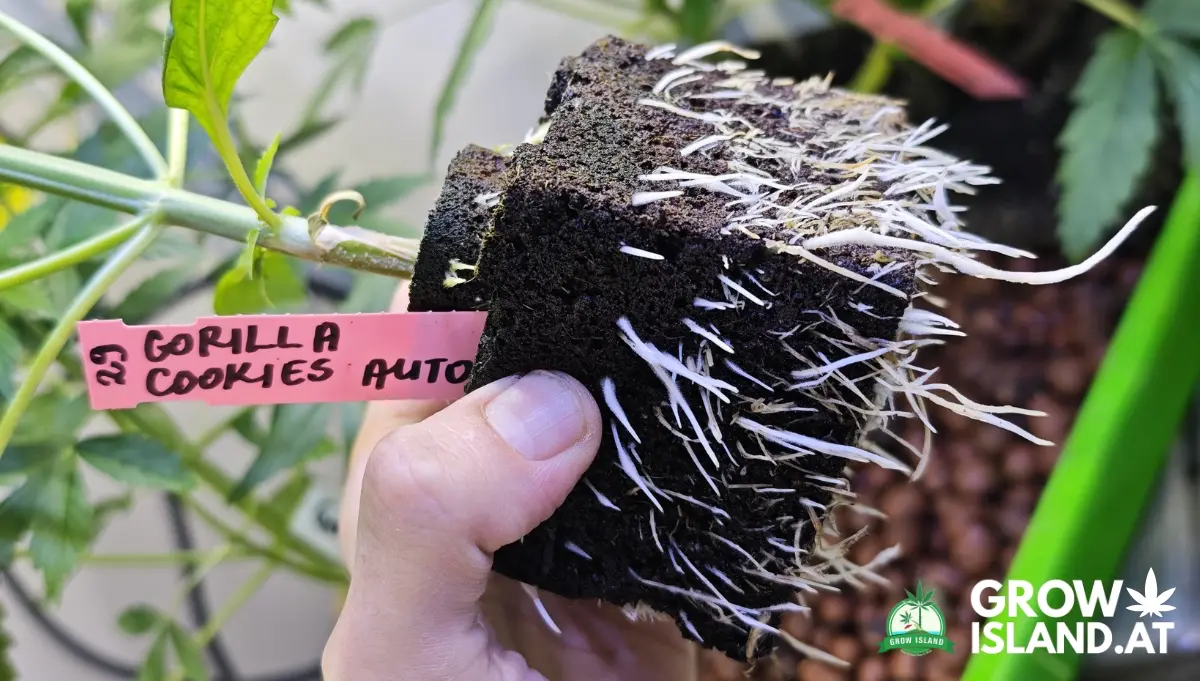
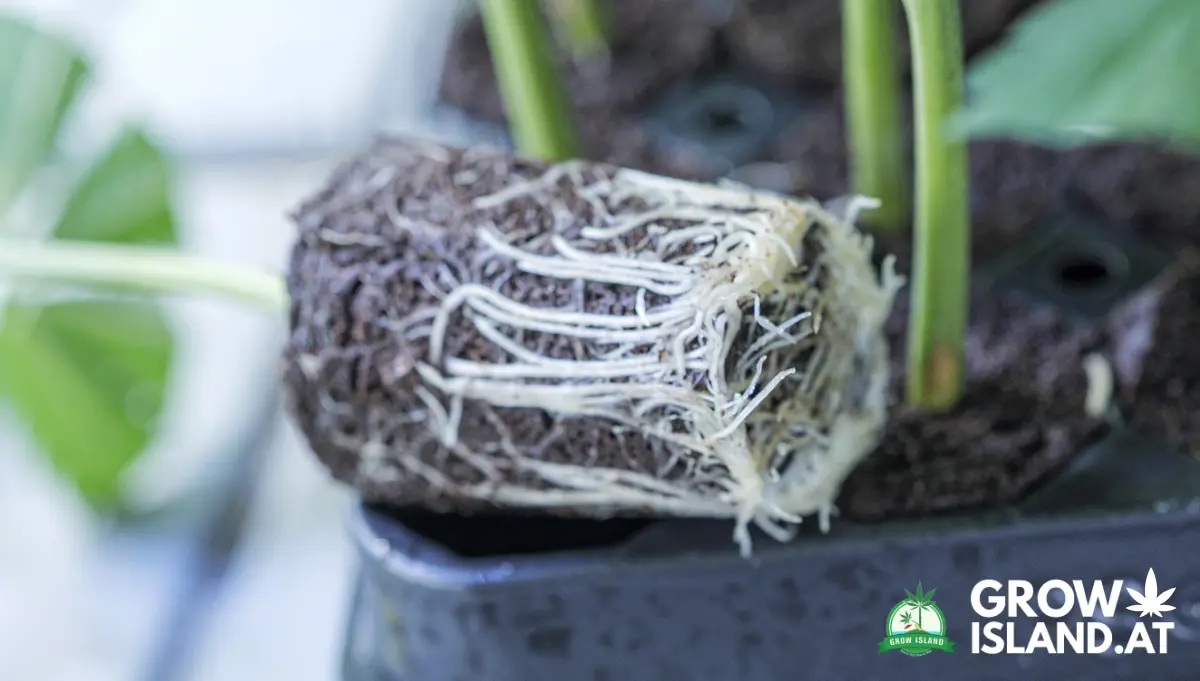
The root system is one of the most important parts of a cannabis plant. Although it remains hidden beneath the surface, a large portion of the plant’s overall health is determined here. Roots anchor the plant in the growing medium, absorb water, transport nutrients, and continuously interact with the microbiological life in the root zone.
A healthy root system is vigorous, light in color, constantly expanding, and capable of supplying the plant with water and nutrients efficiently. In many cases, the foundation of successful cannabis growth begins below the surface with a thriving root zone.
When roots do not receive enough oxygen, remain in overly wet growing media, or become affected by pathogens, symptoms often appear quickly above ground. Slower growth, yellowing leaves, drooping branches, or symptoms that resemble nutrient deficiencies can all indicate problems within the root system.
What Are the Functions of Roots?
- Anchoring the plant in the growing medium
- Transporting water throughout the plant
- Absorbing dissolved nutrients
- Interacting with beneficial soil microorganisms
- Supporting growth and resilience
Grower Tip
Whenever you transplant a plant, take a moment to inspect the roots. Healthy roots are typically white to cream-colored, smell fresh, and form a dense network. Brown, slimy, or foul-smelling roots may indicate root-zone issues.
Root Crown – The Transition Zone
The root crown is the area where the root system meets the main stem. Although relatively small, this part of the plant plays a crucial role in structural stability and the transport of water and nutrients.
This transition zone is particularly sensitive to excessive moisture and poor airflow. If it remains constantly wet, the risk of rot and various soil-borne pathogens can increase significantly.
Good drainage, an airy substrate, and proper irrigation management all contribute to maintaining a healthy root crown throughout the plant’s life cycle.
Why Is Proper Drainage Important?
The cannabis root zone requires both moisture and oxygen. Excess water can displace air from the growing medium, impair root function, and create conditions that encourage disease development.
Cotyledons – The First Green Signs of Life
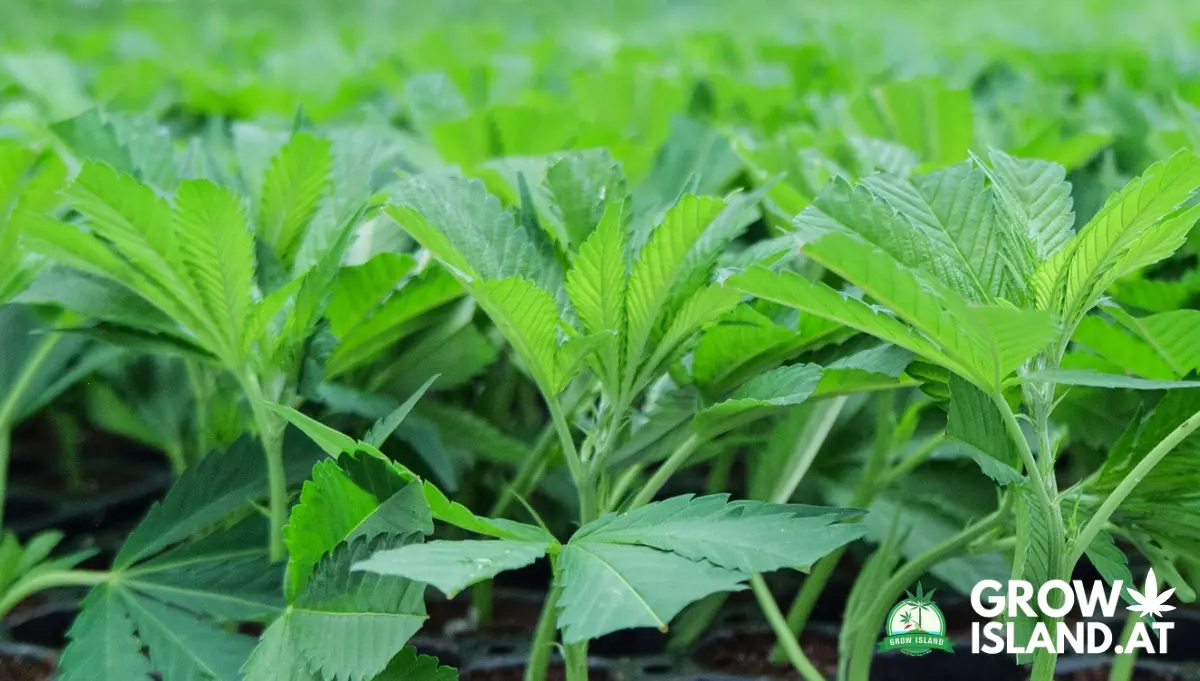
After germination, the cotyledons are the first structures to emerge. These small, rounded leaves are the plant’s first visible green organs and play a vital role during early development.
Cotyledons look very different from the familiar cannabis leaves that appear later. Their primary purpose is to support the young seedling until the first true leaves develop and take over most photosynthetic activity.
As the plant matures, cotyledons gradually lose their importance. They often turn yellow, dry out, and eventually fall off as new growth takes over.
A Completely Natural Process
Many beginners become concerned when cotyledons start turning yellow. As long as the new leaves and shoots appear healthy, this is usually a normal part of plant development.
Stem – The Central Support Structure
The stem forms the central framework of the cannabis plant. It supports vertical growth, carries the branches, and connects the root system with the leaves and flowers.
Inside the stem are specialized vascular tissues responsible for continuously transporting water, minerals, and plant compounds between different parts of the plant.
The xylem primarily transports water and minerals upward, while other vascular tissues move sugars produced during photosynthesis to areas where energy is needed.
The thickness, flexibility, and overall structure of the stem can vary significantly depending on genetics. Sativa-dominant plants often develop taller and more slender stems, while indica-dominant varieties typically grow shorter and more robust.
A Common Misconception
A thicker stem does not automatically mean a healthier plant. A strong root system, balanced growth, and favorable environmental conditions are equally important factors.
Branches – The Building Blocks of the Canopy
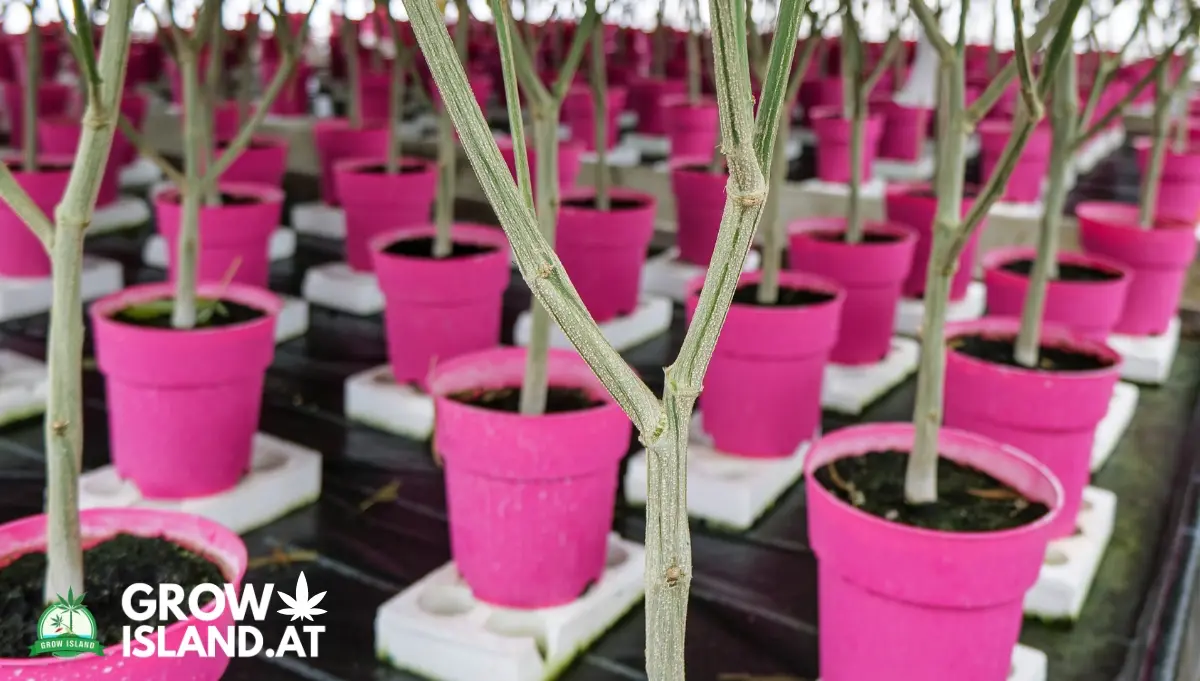
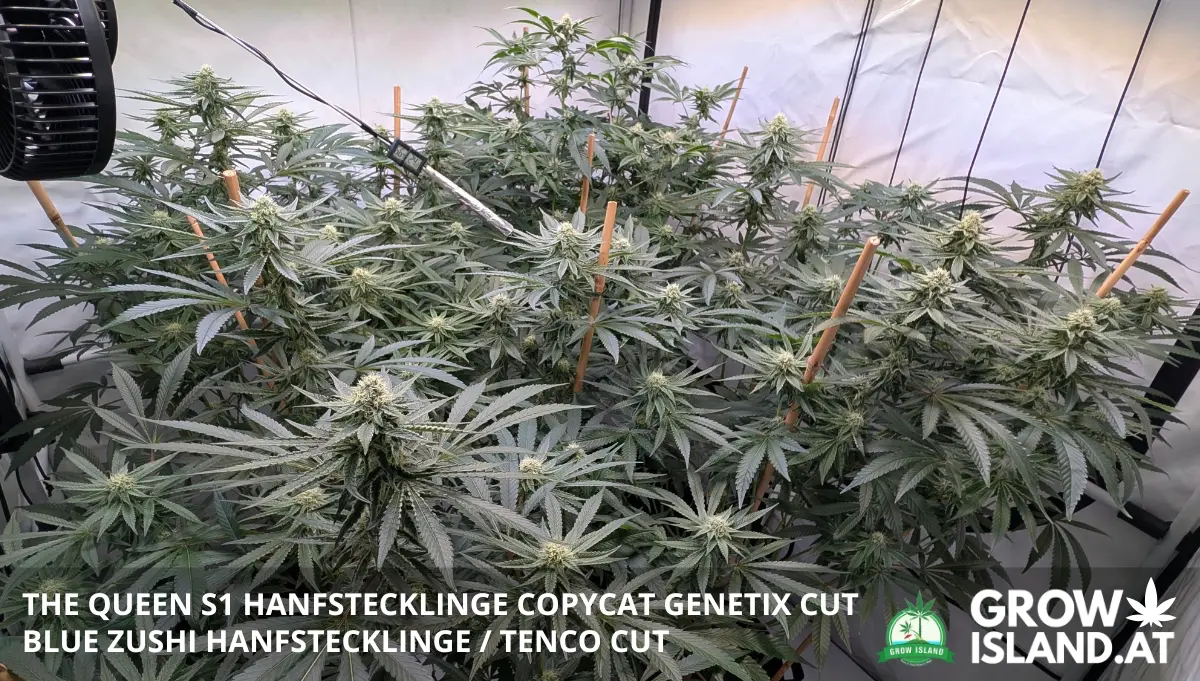
Branches develop from the main stem and eventually form a large part of the plant canopy. Most flowering sites also develop on side branches and their shoots as the plant matures.
A healthy branch structure can contribute to improved light distribution, better airflow, and more even growth throughout the plant. In contrast, an overly dense canopy may restrict air movement and create humid microclimates.
Like the main stem, branches transport water, nutrients, and plant sugars. The final shape, height, and architecture of the plant are heavily influenced by branch development.
Grower Tip
An even canopy can improve light utilization. For this reason, many growers use various plant training techniques to ensure that as many flowering sites as possible receive a similar amount of light.
Nodes and Internodes – The Roadmap of Growth
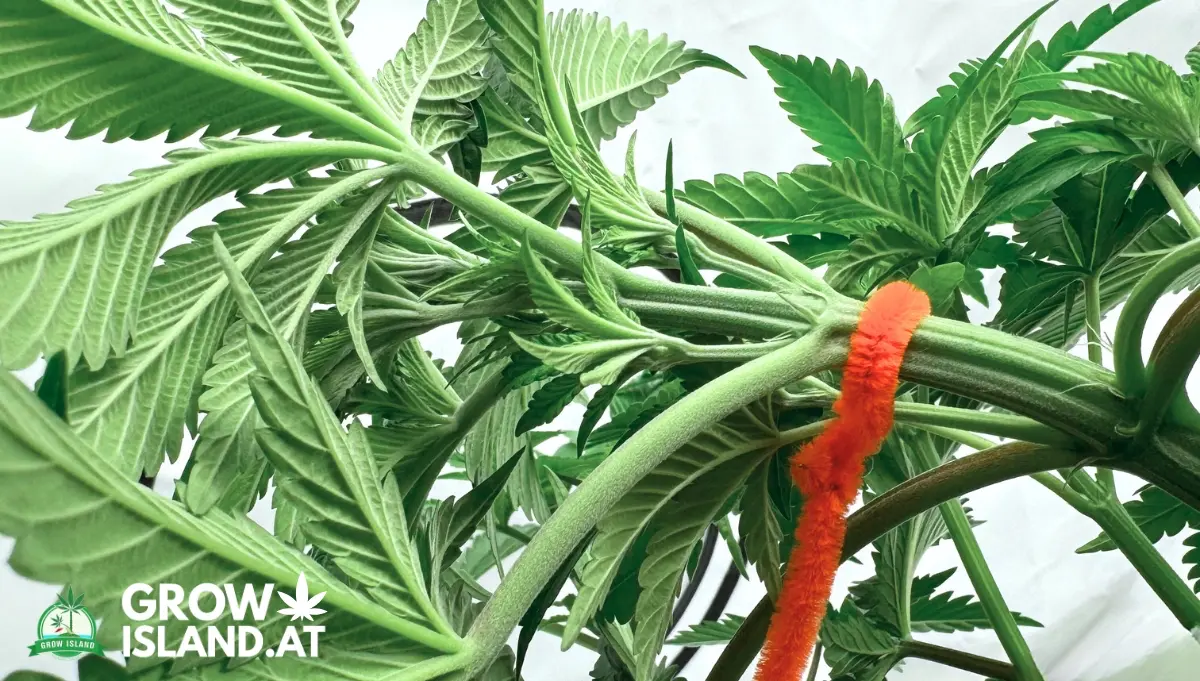
As cannabis develops, it forms specific structural regions that play a critical role in its growth. Among the most important are the nodes – the points where leaves, side branches, new shoots, and eventually flowers emerge from the main stem or a branch.
Growers often monitor node development because it can provide valuable information about growth rate, plant maturity, and overall structure. Most new growth originates from these active growth centers.
The sections of stem located between two nodes are called internodes. Their length can reveal important information about environmental conditions and the plant's genetic characteristics.
When internodes become unusually long, the plant often develops a stretched appearance. This can be caused by low light intensity, excessive distance from the light source, or certain genetic traits. Shorter internodes generally promote a more compact and dense plant structure.
What Can Internodes Reveal?
- Information about light intensity and distance from the light source
- Insights into the plant's genetic traits
- Clues about growth speed and vigor
- The future structure of the canopy
- The expected density of the branching system
Grower Tip
Excessive stretching is often noticeable early in the vegetative stage. If a plant develops unusually long internodes, it may be worth evaluating both light intensity and the distance between the plant and the light source.
Stipules – Small and Often Misunderstood Plant Structures
Stipules are small, narrow, pointed structures that develop around the nodes of a cannabis plant. Because of their size, many growers pay little attention to them, even though they are a natural part of the plant’s anatomy.
Beginners often mistake stipules for early signs of flowering because they appear in the same general area where pre-flowers and reproductive structures later emerge.
Their exact biological function is not fully understood. Research suggests they may serve a protective role for developing shoots and newly forming plant tissue.
For growers, the important thing to remember is that stipules alone do not indicate flowering and cannot be used to determine the sex of a plant.
A Common Misconception
Many growers assume that the appearance of stipules automatically signals the beginning of flowering. In reality, these structures often develop much earlier and are not considered flower sites.
Fan Leaves – The Solar Panels of the Plant
Fan leaves are among the most recognizable features of the cannabis plant. These large, finger-like leaves perform the majority of photosynthesis and provide the energy needed for the entire plant to grow and thrive.
During photosynthesis, the plant uses sunlight or artificial light, water, and carbon dioxide to create energy. This energy fuels the development of roots, stems, branches, and flowers.
On the surface of fan leaves are microscopic openings called stomata. These structures regulate gas exchange and water evaporation, both of which are essential for maintaining proper plant function.
The condition of the leaves often provides the earliest signs of cultivation issues. Changes in color, spotting, curling, or other abnormalities can reveal valuable information about plant health.
What Can Leaf Changes Indicate?
- Nutrient deficiencies
- Overfertilization
- Overwatering
- Underwatering
- Heat stress
- Light stress
- Improper pH levels
- Pests or plant diseases
Leaf Shapes and Genetic Differences
Leaf shape can vary considerably depending on cannabis genetics. Sativa-dominant plants usually develop longer and narrower leaflets, while indica-dominant varieties are known for broader and thicker leaves.
Plants with ruderalis ancestry often display smaller and simpler leaf structures. These differences are not only visually interesting but can also provide clues about adaptation strategies and growth patterns.
Grower Tip
Fan leaves are major energy producers for the plant. Healthy leaves should generally not be removed unnecessarily, as they play a vital role in photosynthesis and nutrient storage.
Sugar Leaves – Small Leaves Hidden Among the Flowers
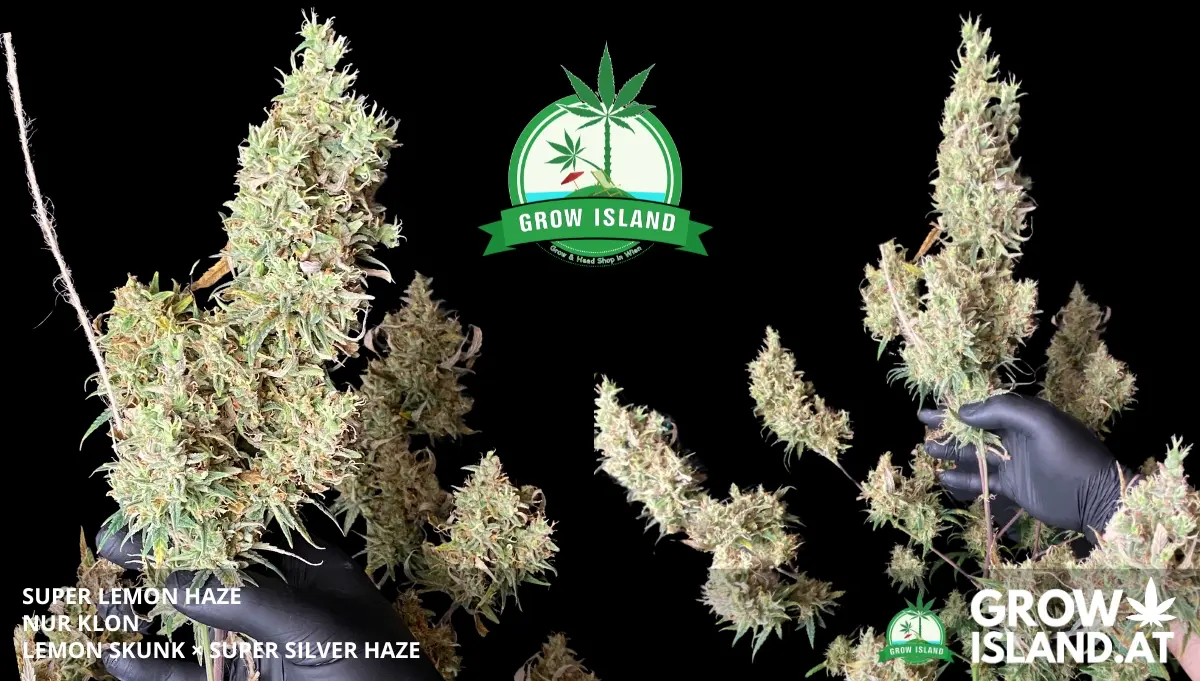
Sugar leaves are the smaller leaves that develop directly between and around the flowers. Their name comes from the dense layer of trichomes that often coats their surface, giving them a sparkling appearance similar to sugar crystals.
Like fan leaves, sugar leaves participate in photosynthesis. However, their greatest significance comes from their close proximity to the flowers. Because they are covered in trichomes, they generally contain higher concentrations of terpenes and cannabinoids than large fan leaves.
Although sugar leaves typically produce less resin than the flowers themselves, many growers pay close attention to them during harvest and post-harvest processing.
During trimming, sugar leaves are often removed to improve the appearance of the finished flowers. In regions where regulations permit, they may also be used in a variety of secondary applications.
Why Are Sugar Leaves So Unique?
Sugar leaves form the bridge between traditional plant foliage and the resin-rich flowers. For this reason, they become particularly interesting during the later stages of flowering when trichome production reaches its peak.
Flowers – The Most Valuable Parts of the Female Plant
The flowers are the reproductive organs of the female cannabis plant and represent some of the most complex structures found within the species. They are the primary focus for many growers because they contain the highest concentration of resin and numerous naturally occurring plant compounds responsible for the plant's characteristic aroma, appearance, and protective mechanisms.
Flowers develop primarily at the nodes and at the ends of branches. As the flowering stage progresses, they become denser, produce increasing amounts of resin, and gradually develop the distinctive aroma profile associated with their genetics.
A cannabis flower is composed of many small structures working together to form the mature bud.
The most important components of a cannabis flower include:
- Calyxes
- Pistils
- Stigmas
- Trichomes
- Sugar leaves
- Flowering sites and floral structures
Female, Male, and Hermaphroditic Plants
Cannabis is naturally a predominantly dioecious species, meaning male and female plants typically exist separately.
- Female plant: Produces flowers.
- Male plant: Develops pollen sacs.
- Hermaphroditic plant: Can develop both female and male reproductive structures.
Hermaphroditism may result from genetics or environmental stress factors such as light interruptions, temperature extremes, or other forms of plant stress.
What Happens During Pollination?
When pollen reaches female flowers, the plant may redirect a significant portion of its energy toward seed production. This natural reproductive process ensures the continuation of future generations.
Popcorn Buds – When Light Doesn't Reach Deep Enough
Popcorn buds are smaller, less dense flowers that typically develop in lower or heavily shaded areas of the plant. Their name comes from their small size and appearance, which many growers compare to pieces of popcorn.
Several factors can contribute to popcorn bud formation. One of the most common is uneven light distribution, where the upper canopy captures most of the available light while lower sections receive significantly less energy.
Other potential causes include:
- An overly dense canopy
- Low light intensity
- Unbalanced plant structure
- Genetic characteristics
- Insufficient plant training
Although popcorn buds are generally smaller and less compact than top flowers, they remain a natural part of plant development and demonstrate the importance of even light distribution throughout the canopy.
Grower Tip
A well-managed canopy and consistent light distribution can help the plant allocate energy more efficiently toward flower sites receiving optimal illumination.
Calyxes – The Tiny Protectors of the Flower
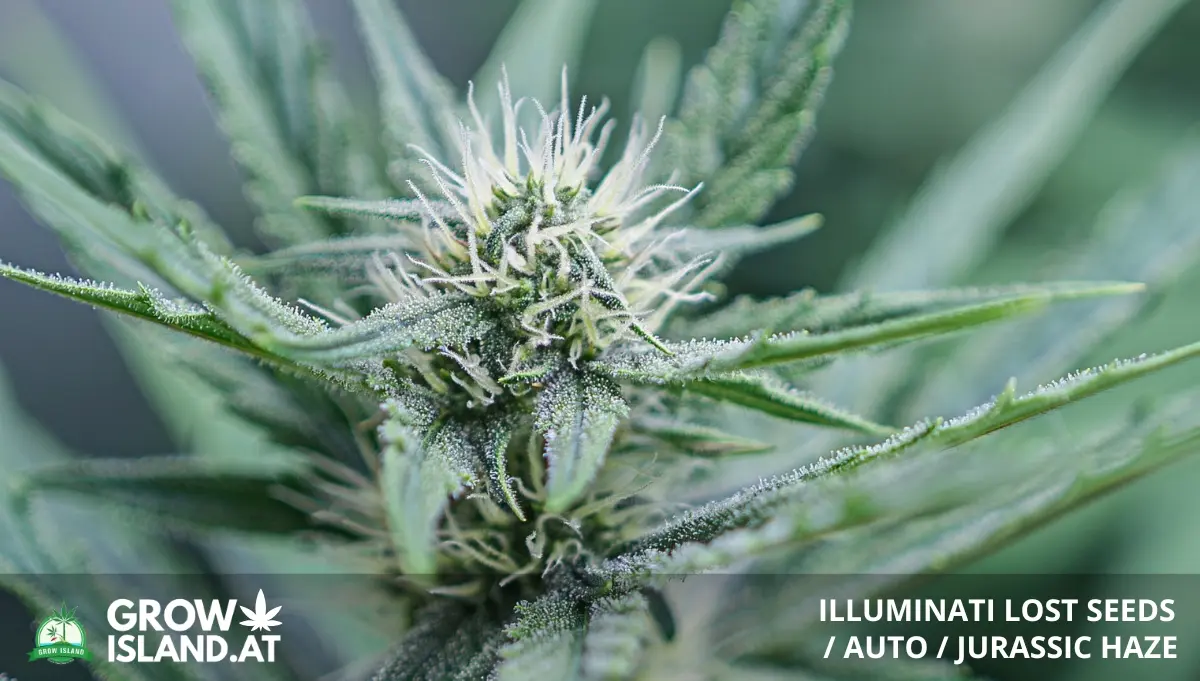
Calyxes are small, teardrop-shaped structures found within cannabis flowers. They form the fundamental building blocks of female flower clusters and play an important role in protecting reproductive organs.
During early flowering, calyxes are often among the first visible flower structures to appear. As development progresses, both their size and number increase, contributing significantly to the overall shape and density of the flower.
Toward the end of flowering, many calyxes become heavily coated in resin, particularly in genetics known for abundant trichome production.
Did You Know?
The density and overall structure of a flower are influenced in part by how calyxes develop and stack together throughout the flowering stage.
Pistils and Stigmas – Visible Signs of Flower Development
Among the most recognizable parts of female cannabis flowers are the stigmas, which emerge from the pistils. These fine, hair-like structures are usually bright white when they first appear but gradually darken as the flower matures.
Their biological purpose is to capture pollen. When pollen reaches the stigmas, fertilization may occur and seed production can begin.
Many growers monitor stigma development closely because it can provide clues about flower progression. However, stigma color alone should never be used as the sole indicator of maturity.
As a general guideline:
- White stigmas → Younger flowers
- Mixed-color stigmas → Mid-development stage
- Darker, receding stigmas → Advanced maturity
A Common Misconception
Many growers judge flower maturity solely by the color of the stigmas. In reality, trichomes usually provide far more accurate information about the plant's developmental stage.
Trichomes – The Resin Factories of the Cannabis Plant
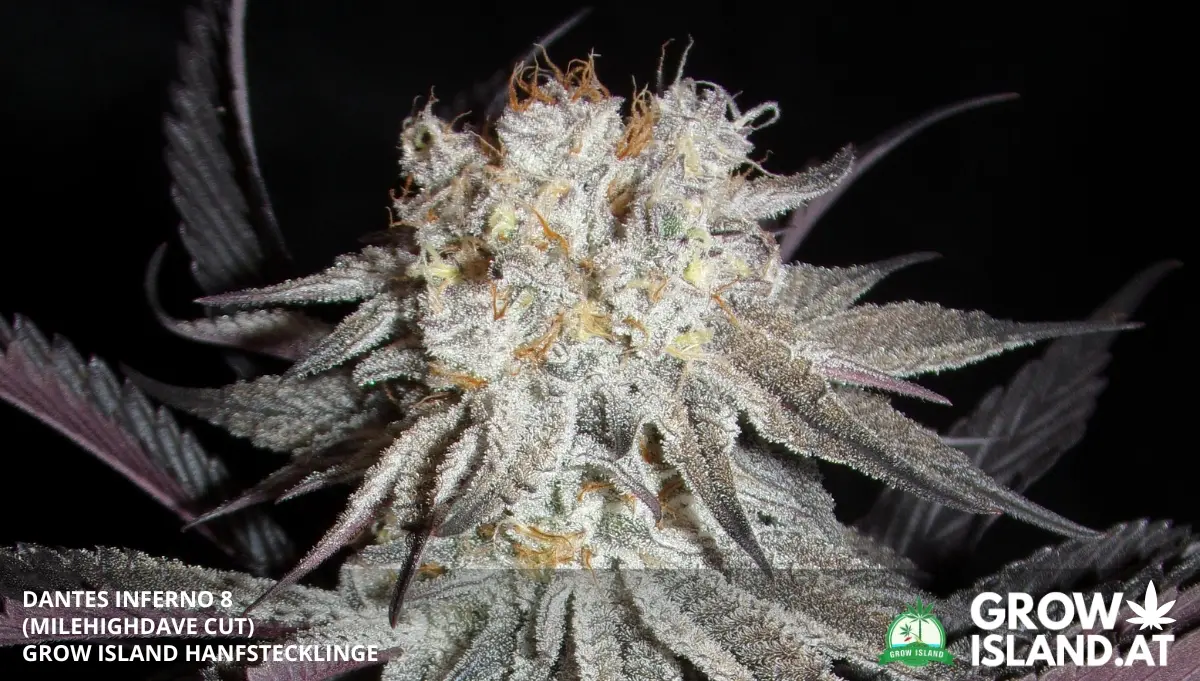
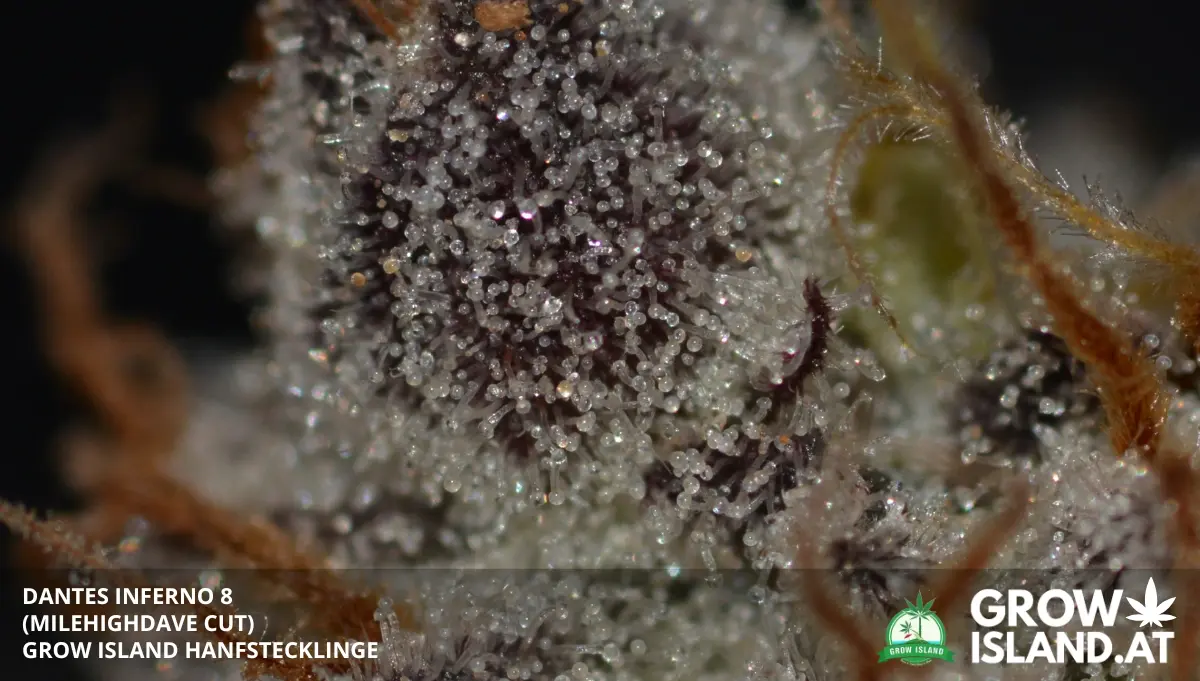
Trichomes are among the most fascinating microscopic structures found on cannabis plants. These tiny glandular formations are concentrated primarily on flowers and sugar leaves, where they often create a sparkling, crystal-like appearance.
A large portion of the plant's secondary metabolites are produced within these microscopic resin glands. Trichomes function as highly specialized biochemical production centers that synthesize a wide range of plant compounds.
In nature, trichomes can serve several important functions:
- Protection against ultraviolet radiation
- Reduction of environmental stress
- Defense against certain pests
- Protection of plant surfaces
- Protection of reproductive structures
What Can Trichomes Reveal About Maturity?
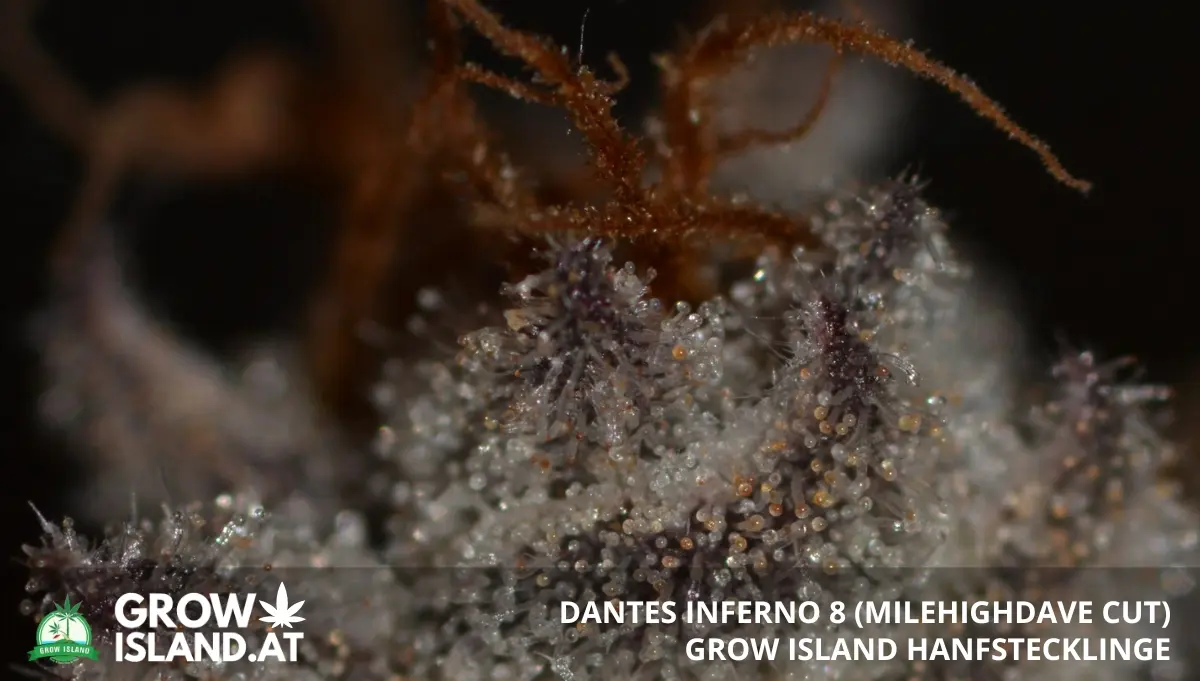
The appearance and coloration of trichomes change as flowers develop. Because of this, many growers examine them using magnifying lenses or digital microscopes.
| Trichome Condition | Appearance |
|---|---|
| Clear / Transparent | Early development stage |
| Milky / Cloudy | Advanced maturity stage |
| Amber | Late maturity stage |
Why Is Trichome Observation Important?
The condition of trichomes often provides a more accurate picture of flower development than stigma color alone. For this reason, experienced growers consider trichomes one of the most valuable indicators when evaluating plant maturity.
```html
What Does Plant Anatomy Reveal?
Cannabis plant anatomy is far more than a collection of individual plant parts. From the roots and fan leaves to the trichomes, every structure continuously communicates information about the plant’s environment and overall condition.
Experienced growers often view the plant as a living feedback system. Every discoloration, new shoot, leaf shape, or change in flower structure can be interpreted as a signal that provides valuable insight into what the plant needs.
The condition of the root system can reveal whether water and nutrients are being absorbed efficiently. The stem and branches provide clues about structural strength, vigor, and overall vitality. Leaves are often among the first parts of the plant to display visible signs of environmental stress, deficiencies, or imbalances.
Flowers, stigmas, and trichomes provide information about the plant’s reproductive cycle, developmental stage, and maturity. The better these structures are understood, the easier it becomes to correctly interpret the plant’s natural signals.
The Plant Is Constantly Communicating
- Roots provide insight into the condition of the growing medium.
- The stem reflects the plant’s overall growth vigor.
- Branches respond to light distribution.
- Leaves often reveal stress factors at an early stage.
- Flowers reflect the progression of maturity.
- Trichomes help monitor different stages of development.
Cannabis is, in reality, an incredibly complex biological system. Soil microorganisms, the root zone, water, light, air, genetics, and environmental conditions constantly interact with one another.
Successful plant observation therefore goes far beyond examining a single leaf or flower. Understanding the entire system is what truly matters, as every part of the plant is connected and influences the others.
Grower Tip
The best growers do not wait until major problems become visible. They pay attention to the small signals the plant provides every day. A healthy plant often reveals whether its environment is optimal long before serious symptoms appear.
Conclusion
The anatomy of a cannabis plant is far more complex than it may appear at first glance. Every individual structure performs a unique function while remaining closely connected to the entire organism.
Mycorrhiza supports the root zone. Roots absorb water and nutrients. The root crown connects the underground and above-ground portions of the plant. Cotyledons assist during the earliest stages of development. The stem and branches provide stability and transport essential compounds throughout the plant.
Nodes and internodes influence growth patterns. Stipules, fan leaves, and sugar leaves each perform specialized roles in development and photosynthesis. Flowers, calyxes, pistils, and stigmas form the reproductive system, while trichomes represent some of the most remarkable protective and biochemical structures found in the plant.
Understanding cannabis anatomy allows growers and plant enthusiasts to observe developmental processes more consciously. It becomes easier to identify healthy growth, environmental stress, and key milestones throughout the plant’s natural life cycle.
The true fascination of cannabis extends far beyond its flowers. From the roots to the growing tips, every structure is part of a highly evolved biological system that has developed through millions of years of natural adaptation.
Key Takeaways From This Article
- A healthy root system forms the foundation of a healthy plant.
- Leaves often provide the earliest clues about environmental changes.
- Flowers are highly complex reproductive structures.
- Stigmas and trichomes can provide valuable insight into flower development and maturity.
- All plant structures are interconnected and function as a unified system.
- Understanding cannabis anatomy helps explain plant growth and development more effectively.
Legal Notice
This article is intended exclusively for educational, informational, botanical, and scientific purposes.
Laws and regulations regarding the cultivation, possession, propagation, and use of cannabis vary significantly between countries, regions, and legal jurisdictions.
Always familiarize yourself with the laws applicable in your area and comply with all local regulations.
About the Author
The goal of Grow Island is to provide clear, practical, and professionally researched information for people interested in plants, cultivation technology, and modern horticultural solutions.
Through educational articles, cultivation guides, and botanical knowledge resources, Grow Island aims to help readers better understand plant biology, cultivation environments, and sustainable growing practices.


















Comments