Outdoor Photoperiod Cannabis Growing – Everything You Need To Know
In modern cannabis cultivation, many growers choose autoflower genetics because of their speed and simplicity. Autoflower strains have undoubtedly changed the world of home growing and outdoor cultivation, allowing many beginners to enter the cannabis scene thanks to their fast cycles and uncomplicated handling. Still, among experienced outdoor growers, hash makers, and oldschool cultivators, you will hear the same sentence again and again:
The true outdoor monsters still come from photoperiod cannabis genetics.
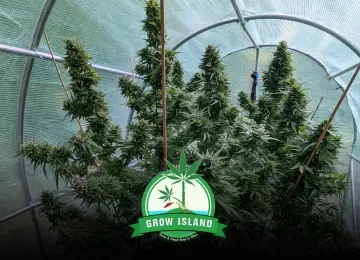
Gigantic bushes, multi-meter-tall plants, massive root zones, deep terpene profiles, and brutal yields are almost always based on photoperiod genetics. These are the plants that can complete an entire season within the natural rhythm of nature, becoming larger, stronger, and more complex step by step.
Photoperiod cannabis under natural sunlight is not simply a growing method. For many growers, it represents real gardening, understanding seasonal rhythms, observing microclimates, and working together with nature. During an outdoor photoperiod grow, the grower becomes much more connected to the seasons, soil biology, sunlight intensity, and the biological rhythm of the plant itself.
Based on the outdoor experiences of Grow Island, photoperiod plants can unlock incredible potential when combined with the right genetics, enough sunlight, and a stable environment. It is not uncommon for a single outdoor plant to develop several kilograms of biomass while creating an aroma and terpene depth that many growers believe is far more difficult to reproduce indoors.
But what exactly is photoperiod cannabis? Why does it behave differently from autoflowers? How does it react to sunlight? And what should growers pay attention to during outdoor cultivation in 2026?
In this detailed guide, we will explore everything about photoperiod cannabis step by step — for both beginners and experienced growers. We explain the light cycle, the advantages and challenges of outdoor growing, the genetic differences, and how you can fully utilize the power of nature during a successful outdoor season.
What Is Photoperiod Cannabis?
The term “photoperiod” basically describes the relationship between light and darkness within a day. In nature, almost all plants react to seasonal changes — and cannabis is no exception.
Photoperiod cannabis is a cannabis genetic that does not begin flowering based on age, but instead reacts to changes in the light cycle. This is one of the biggest differences between autoflower and traditional photoperiod plants.
This means the plant remains in the vegetative phase as long as it receives enough light. During this time, it continuously grows, develops new branches and leaves, and builds an increasingly strong root system. However, once the days become shorter and the nights longer, the plant recognizes this change and switches into the flowering phase.
Cannabis reacts extremely sensitively to the length of the dark period. In nature, this mechanism ensures that the plant begins flowering before the colder autumn temperatures arrive.
That is why indoor growers traditionally use:
18/6 light cycle during the vegetative phase
12/12 light cycle during the flowering phase
In outdoor cultivation, however, nature itself takes over this role. The grower does not work with timers or light switches, but instead follows the movement of the sun.
After the summer solstice, the days slowly become shorter, and most photoperiod strains interpret this as the signal to begin flowering. That is why outdoor flowering usually starts toward the end of summer, once the nights have become long enough.
Different genetics react differently to this process. Some indica-dominant plants begin flowering earlier, while certain sativa genetics require much longer vegetative periods and switch into flowering later.
This is exactly why choosing the right genetics is especially important for outdoor growing. A long-flowering sativa for Mediterranean climates requires completely different conditions than a faster, cold-resistant indica hybrid.
Why Do So Many Growers Still Love Photoperiod Genetics?
Autoflowers are fast. Simple. Practical. For many growers, they are the perfect entry point into outdoor cultivation — especially in countries with short summers or limited space.
However, photoperiod plants often operate in an entirely different league. A well-developed photoperiod plant grows over several months and can reach a size, structure, and complexity that autoflower genetics usually cannot reproduce in the same way.
A properly grown outdoor photoperiod plant:
• can build significantly more biomass
• develops a larger root system
• benefits from a longer vegetative phase
• responds better to training techniques
• often produces higher average yields
• frequently develops more complex terpene profiles
• works perfectly as a clone or mother plant base
Because of the longer vegetative period, the plant has much more time to build a stable branch structure and strong framework. This becomes especially important outdoors, where the plant must withstand wind, temperature fluctuations, rain, and intense UV radiation.
Photoperiod plants also usually tolerate techniques like topping, LST, mainlining, and other forms of canopy management much better. Since they do not follow a fixed life cycle, growers can shape and optimize the plant over a much longer period of time.
Many breeders and experienced growers believe that a large percentage of legendary “Cup Winner” genetics are still based on photoperiod foundations. Famous clone-only strains, modern breeder projects, and many hash-focused genetics all come from this world.
The depth of terpene profiles is also often mentioned as one of the major advantages of photoperiod genetics. Many outdoor growers believe that plants spending an entire season under natural sunlight can develop especially intense and complex aromas.
For many people, outdoor photoperiod growing is far more than simply a method for achieving larger yields — it is considered the true art of cultivation. Following a plant through an entire season, watching its gradual development, and working together with the rhythm of nature is an experience many growers would never trade for any indoor setup.
Photoperiod vs. Autoflower – What’s the Difference?
One of the most common questions in modern cannabis cultivation is still: Should you choose photoperiod or autoflower genetics? Both types come with their own advantages, their own cultivation philosophy, and their own target audience. There is no universally “better” option because each one offers a completely different growing experience and different possibilities in cultivation.
Photoperiod genetics represent a more long-term, controlled style of cultivation where the grower shapes and develops the plant step by step. Autoflowers, on the other hand, focus on speed, simplicity, and shorter cycles.
In outdoor growing, both genetic types have their place. Many experienced growers no longer choose exclusively one or the other, but instead combine both variants within a single season.
Photoperiod Cannabis
The greatest strength of photoperiod plants lies in their controllability. Since they do not begin flowering based on age, growers can keep them in the vegetative phase for much longer. This allows them to develop significantly more structure and biomass.
This becomes especially visible in outdoor cultivation, where a plant that is allowed to develop throughout an entire season can grow into a true monster. It is not uncommon for well-maintained photoperiod cannabis plants to grow far beyond human height while developing massive trunks and huge side branches.
Advantages
• long vegetative phase
The plant has much more time to build size and a stable structure.
• controllable growth
The grower can intentionally manage plant size, canopy shape, and vegetative duration.
• compatible with topping and training
LST, topping, supercropping, and mainlining are significantly easier to apply.
• monster cropping and reveg are possible
Photoperiod genetics can return to vegetation and be reshaped again.
• clones can be created
The plant can be used as a mother plant, preserving the same genetics long-term.
• usually higher yields
The longer season and increased biomass often result in much larger harvests.
• enormous outdoor potential
Outdoor environments can often be utilized more effectively than with autoflower genetics.
Of course, photoperiod cultivation also comes with its own challenges. A complete outdoor season requires much more patience and planning, and these plants are generally more sensitive to environmental changes.
Disadvantages
• longer grow duration
An outdoor photoperiod grow can take up to half a year.
• sensitive to light interruptions
Interrupted dark periods can cause severe stress.
• requires more space
The size of the plants demands significantly more room.
• more weather-dependent
Autumn rain, mold, and cold temperatures can become serious risks for certain genetics.
Autoflower Cannabis
Autoflower genetics operate on a completely different principle. These plants do not begin flowering because of the light cycle, but instead according to their age. This means they automatically switch into flowering after only a few weeks of vegetation — regardless of day length.
This characteristic makes them especially practical for beginners or for regions with short summers and unstable weather conditions.
Advantages
• fast life cycle
Many autoflower genetics complete their entire cycle within 9–12 weeks.
• more compact size
Their smaller growth often makes them more discreet outdoors.
• easier for beginners
They require less light-cycle management.
• less sensitive to light disturbances
Outdoor light interruptions usually cause fewer problems.
• multiple harvests per year possible
In suitable climates, several runs can be completed within a single season.
However, autoflower plants have a much smaller margin for error. Since the vegetative phase is short and fixed, there is very little time for recovery.
Disadvantages
• short vegetative phase
The plant has limited time to build a large structure.
• smaller margin for mistakes
Early stress or overwatering can seriously slow development.
• limited training possibilities
Too aggressive training can easily stunt the plant.
• lower average yield
Most autoflowers produce less biomass than a full-season photoperiod plant.
• less controllable growth
The grower has very little influence over the plant’s lifespan.
Many outdoor growers combine both variants: In spring, they start autoflower genetics for a fast harvest while large photoperiod plants simultaneously develop for the autumn season.
This strategy allows the first harvest already by midsummer, while the real outdoor monsters continue growing well into autumn.
How Does Cannabis Detect the Light Cycle?
Cannabis reacts extremely sensitively to the length of the dark period. This is one of the most important biological mechanisms of photoperiod plants.
Many people believe the plant “watches” the light. In reality, however, it is the long, uninterrupted darkness that matters most. The duration of the night signals to the plant when autumn is approaching and when it should begin flowering.
If the plant:
• receives too much artificial light
• is exposed to streetlights
• experiences interrupted dark periods
various problems can occur:
• reveg
• stress
• hermaphroditism
• slow flowering
• reduced yields
• unstable flower development
Light Pollution Is One of the Most Common Outdoor Mistakes
Many growers underestimate how problematic even a single light source can be. A seemingly harmless outdoor LED or motion sensor spotlight can massively disrupt the hormonal cycle of a photoperiod plant.
Streetlights. Neighbor reflections. Garden LEDs. Motion detectors. Smartphone flashlights. During an outdoor photoperiod grow, all of these factors can create significant stress.
According to Grow Island’s outdoor experiences, many outdoor problems are actually caused not by nutrient deficiencies, but by light stress. Growers often begin overfeeding or suspect pH issues while the real cause is a disturbed dark cycle.
How Can You Protect Yourself From Light Pollution?
Choose the Right Location
Choosing the right grow spot is one of the most important outdoor decisions of all. A good location is not only sunny, but also truly dark during the night.
• private
• dark
• sunny
• stable airflow
Greenhouse Blackout Systems
Many growers use blackout tarps, blackout films, or automated shading systems to control the flowering cycle. This is especially useful in regions with unfavorable lighting conditions or when earlier flowering is desired.
Modern blackout greenhouse systems now allow near-complete control over the outdoor light cycle while still utilizing the power of natural sunlight.
Do Not Shine Light on the Plant at Night
Even short exposure to smartphone light can trigger stress in sensitive genetics. Many growers underestimate this point, but particularly sensitive strains can already become confused by only a few seconds of interrupted darkness.
During outdoor photoperiod growing, one of the most important rules is therefore: Leave the plant in complete darkness at night. Nature usually knows exactly what it is doing — and often the grower’s task is simply not to interrupt the process.
The Secret Behind Gigantic Outdoor Plants
When someone sees a truly gigantic outdoor photoperiod cannabis plant for the first time, it is often hard to believe that it is the same species many growers cultivate inside small indoor tents. At the end of a successful outdoor season, photoperiod cannabis can become a real tree — with a thick trunk, multiple meters in height, and an incredible amount of biomass.
However, these monsters almost never happen by accident. Behind massive outdoor plants there is usually precise seasonal planning, stable environmental conditions, and a great deal of experience.
Truly gigantic outdoor trees are usually built on:
• long vegetative phase
• early season start
• large root zone
• stable sunlight
• healthy soil biology
Together, these factors create the foundation that allows the plant to continuously build strength throughout the season.
The long vegetative phase plays an especially important role. The more time the plant can spend growing, the larger its structure becomes before flowering even begins. Outdoors, this often makes a massive difference in final size and overall yield.
Many experienced growers:
• start their plants indoors during spring
• then gradually adapt them to outdoor conditions
This gives them several additional weeks of vegetative growth. The plants enter natural sunlight already equipped with a strong root system and stable structure.
This gradual adaptation process — also called hardening — is extremely important because indoor plants can be sensitive to direct UV radiation, wind, and temperature fluctuations.
Experienced outdoor growers therefore place their plants outside for only a few hours per day at first, slowly increasing outdoor exposure over time. This reduces stress and supports healthier development.
Directly in the Ground or in Pots?
One of the biggest questions in outdoor photoperiod cultivation is always: Should you grow directly in the ground or in containers? Both methods come with their own advantages and compromises.
In the Ground
Photoperiod plants growing directly in natural soil can often reach much larger dimensions. Since the root system is not restricted by a container, the plant can continuously expand into new root zones.
Advantages
• gigantic growth potential
• more stable moisture levels
• natural ecosystem
Natural soil biology, microorganisms, and deeper moisture layers often create a much more stable environment — especially for larger outdoor projects.
Disadvantage
• very limited mobility
Once the plant is rooted in the ground, it becomes almost impossible to move. This can become problematic during extreme weather conditions or if visibility becomes an issue.
In Pots
Outdoor growing in pots offers significantly more flexibility. On balconies, terraces, or in smaller gardens, this is often the only realistic option.
Advantages
• movable
• easier to control
• ideal for balcony grows
The grower can react more easily to weather changes, optimize sunlight exposure, and move plants to protected areas whenever necessary.
Disadvantages
• faster drying
• limited root zone
The smaller root space can limit the final plant size. In addition, pots heat up much faster during hot summers and dry out more quickly.
That is why many outdoor growers working on larger projects choose extra-large fabric pots or raised beds, combining some of the advantages of both ground and container cultivation.
Climate Change Is Becoming an Increasingly Important Factor
In recent years, outdoor growers worldwide have noticed that cultivation seasons are becoming increasingly unpredictable. Climate change is no longer only an environmental topic — it directly affects outdoor cannabis cultivation.
Modern outdoor growers are increasingly facing problems such as:
• extreme heatwaves
• violent storms
• high humidity
• wildfire smoke
• unpredictable seasons
A single extreme weather event can threaten weeks or even months of hard work.
Excessive humidity increases the risk of mold, while long periods of heat can cause stress, water shortages, and terpene loss. In some regions, UV intensity and air quality have also become major factors.
Modern outdoor cultivation therefore increasingly involves weather management. Many growers use shading systems, automated irrigation, wind protection, or greenhouses to create more stable conditions.
Pro Tips for Outdoor Photoperiod Growing
Start the Season Indoors
Early indoor vegetation:
• creates a faster start
• protects young plants
• increases final plant size
Plants that begin inside a stable indoor environment often develop stronger roots and more robust structures for the outdoor season.
Use High-Quality Soil
Good cannabis soil does not only provide nutrients — it also creates a complete microbiological ecosystem around the root zone.
High-quality soil helps provide:
• more stable pH levels
• better water retention
• healthier microbiology
Healthy soil biology becomes especially important during outdoor photoperiod cultivation because the plant remains in the same medium for many months.
Observe the Sun’s Path
Especially during balcony grows, it is important to understand that the angle of the sun constantly changes throughout the season. A location that appears perfect during spring may receive significantly less direct light by late summer.
Sometimes only a few meters can make the difference between several additional hours of sunlight. During flowering, this can become critical for photoperiod plants.
Experienced growers therefore often observe the complete daily movement of the sun at the beginning of the season to identify the optimal grow spot.
Why Does Photoperiod Cannabis Remain the King of Outdoor Growing?
Because when everything aligns:
• genetics
• sunlight
• soil
• season
• microclimate
• grower experience
photoperiod cannabis can achieve sizes, aromas, and yields that only very few autoflower genetics can match.
Plants that spend an entire season under natural sunlight represent far more than just a cultivation project for many growers.
They create a connection to nature, to the seasons, and to the complete life cycle of the plant. During an outdoor photoperiod grow, growers often develop a much deeper understanding of climate, microclimate, and the natural rhythm of cannabis.
Grow Island continues to see outdoor photoperiod cultivation as one of the most fascinating forms of cannabis culture — where patience, genetics, and nature work together to create something truly special.
With modern genetics, advanced canopy management, and increasing outdoor experience, photoperiod cannabis can still take outdoor cultivation to an entirely new level. For many growers, this is exactly why every season becomes a new challenge and passion all over again.
Sativa and Indica Genetics React Differently to the Photoperiod
One of the most fascinating aspects of outdoor photoperiod cultivation is the fact that not every genetic behaves the same way within nature’s rhythm. Different cannabis lineages originate from different geographical regions and have adapted over centuries to their local climate, lighting conditions, and seasonal cycles.
That is why a tropical sativa reacts completely differently to shortening daylight hours compared to a mountain indica. Understanding this behavior is crucial for outdoor cultivation because flowering time, final plant size, mold resistance, and ultimately whether a plant can safely finish in a specific region all depend on it.
Sativa Genetics
Sativa genetics from tropical regions adapted to very different conditions than classic indica types. In equatorial regions, where day length changes only minimally throughout the year, these plants developed much slower and longer growth cycles.
As a result, classic sativa lines often show the following characteristics:
• slower flowering development
• longer seasonal requirements
• lower sensitivity to light changes
• enormous outdoor growth potential
A true Haze or tropical sativa can develop almost endless growth energy outdoors. Many of these genetics reach several meters in height while producing extremely long internodes and massive side branches.
Classic Haze genetics such as:
• Amnesia Core Cut
• Cannalope Haze
• Hazelightyear - DARK SHADOW HAZE X ORIGINAL AMNESIA G.I. CUT
can continue flowering well into late autumn. Some phenotypes in Mediterranean climates may even continue developing outdoors into November or beyond.
At first, this may sound problematic, but many growers see this as the true beauty of these genetics. The plants receive more time to develop complex terpenes, resin production, and extraordinary cannabinoid profiles.
In return, growers often experience:
• brutal terpene profiles
• extreme resin production
• unique psychoactive effects
Many oldschool growers believe that a large portion of truly complex, energetic, and long-lasting psychoactive experiences still come from the classic photoperiod sativa world.
Haze genetics, for example, often develop citrusy, spicy, incense-like, or metallic-sweet terpene profiles that many growers still consider unique today.
Indica Genetics
Indica genetics originate from completely different regions. These plants originally evolved in mountainous areas with shorter summers and much faster seasonal transitions.
As a result, indica strains generally:
• react faster to shortening days
• finish earlier
• grow more compact
• are better suited for cooler climates
Indica-dominant plants usually remain shorter and bushier while developing denser flower structures. In many cases, they finish flowering much faster, which can become a major advantage for outdoor cultivation.
Northern Lights, Kush genetics, and Afghan lines are often considered much safer choices for shorter outdoor seasons. These strains frequently finish before heavy autumn rain and colder temperatures arrive, reducing the risk of mold and botrytis.
Many modern indica hybrids have now been specifically bred for outdoor stability, resulting in better mold resistance and stronger structures compared to older lines.
Especially for beginners, indica genetics can be an ideal choice — particularly in countries with short or unpredictable summers.
The Most Important Factors in Outdoor Growing
1. Microclimate
One of the biggest mistakes in outdoor cultivation is thinking only in terms of countries or regions. In reality, growers should think much more about microclimates.
Even between two gardens within the same city, there can be enormous differences in:
• humidity
• wind
• temperature
• sunlight exposure
• morning fog
• nighttime cooling
A south-facing hillside can deliver completely different results compared to a shaded, humid garden only a few streets away.
Experienced outdoor growers often observe their location for months before starting a serious season. They pay attention to morning moisture, airflow, nighttime temperature drops, and where water or humidity accumulates after rain.
2. Sunlight
Cannabis is essentially built from sunlight. The more high-quality direct light the plant receives, the stronger its photosynthesis becomes.
More direct sunlight means:
• stronger photosynthesis
• thicker branches
• larger flowers
In outdoor cultivation, even more than 8 hours of direct sunlight daily can make an enormous difference. Most photoperiod plants prefer full sunlight, especially during the vegetative phase.
Insufficient light often leads to stretched growth, weaker flower development, and lower yields. In many cases, genetics cannot fully express their true potential without enough sunlight.
3. Temperature
The ideal temperature range for most cannabis genetics is:
• 20–28°C during daytime
• moderately cool nights
Conditions that are too cold:
• slow down growth
• reduce nutrient uptake
while extreme heat can cause:
• stress
• foxtailing
• terpene loss
Especially during Mediterranean summers, stable watering and proper root protection become critical during extreme heat periods.
4. Choosing the Right Genetics
This is one of the most important decisions in outdoor cultivation. Not every strain performs equally well in every climate.
In Mediterranean climates:
• even long-flowering sativas can perform exceptionally well
In more northern regions:
• faster indica hybrids
• mold-resistant genetics
are often the safer option. The right genetics are frequently more important than fertilizers or individual techniques.
5. Wind and Airflow
Good airflow is essential for outdoor cultivation. Plants do not like completely stagnant, humid air.
Good airflow:
• reduces mold risk
• strengthens branches
• supports evaporation
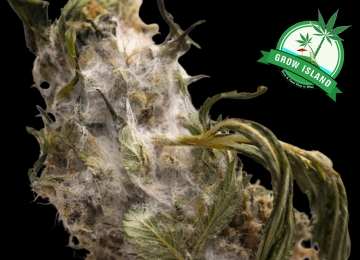
A garden that is too closed and humid quickly becomes the perfect environment for botrytis. Large, dense photoperiod plants are especially sensitive to this near the end of flowering.
That is why many outdoor growers rely on targeted defoliation and intentional canopy management to allow air to circulate through the inside of the plant.
Training Techniques for Photoperiod Plants
One of the biggest advantages of photoperiod cannabis plants is their much higher tolerance for training techniques compared to autoflower genetics.
Because of the extended vegetative phase, plants have enough time to recover. This allows growers to intentionally shape the canopy and optimize light distribution.
Possible techniques include:
• topping
• fimming
• mainlining
• SCROG
• supercropping
• lollipopping
• defoliation
When applied correctly, training techniques can not only increase yields outdoors, but also create stronger plant structures and improved airflow. Many growers now consider modern canopy management one of the most important parts of successful photoperiod cultivation.
Topping, for example, can encourage the plant to develop multiple dominant flowering zones instead of focusing on a single main cola. Supercropping strengthens branches and improves light distribution, while defoliation can optimize airflow within the canopy.
Because photoperiod plants can remain in the vegetative phase for long periods of time, growers have far more opportunities to adapt, optimize, and reshape the plant throughout the season.
Grow Island Recommended Outdoor Photoperiod Genetics
Choosing the right genetics is one of the most important decisions in outdoor photoperiod cultivation. A well-selected strain not only reacts more reliably to outdoor conditions, but can also offer better mold resistance, stronger growth, and more stable flowering development. Based on Grow Island’s outdoor experience, the following cannabis clones are among the most interesting options for outdoor cultivation in 2026.

Serious 6
Recommended Outdoor Photoperiod Genetic
Fast-finishing, outdoor-optimized genetics that can remain stable even in cooler and more humid regions.

Sangria
Sun-Loving Outdoor Hybrid
Powerful terpene profile and modern genetics that can truly shine in Mediterranean outdoor climates.

Erdbeerli
Outdoor Aroma Bomb
Fruity terpenes and stable photoperiod growth with huge outdoor potential under sufficient sunlight.

Alpine Rocket
Interesting Choice for Cooler Outdoor Climates
Swiss Seeds genetics appreciated by many growers for their outdoor stability and vigorous development.

Real Killer Skunk
Classic Outdoor Skunk Character
Oldschool skunk lineage for modern outdoor growers with massive growth and a distinct aroma profile.

Snow White
Strong Photoperiod Growth
Classic outdoor genetics with stable structure and large flowering potential under strong sunlight.

Lemon Cherry Gelato
Modern Dessert Genetics for Outdoor
Strong fruity terpenes, eye-catching flowers, and intense aroma under optimal outdoor conditions.

Banana Runtz
Tropical Terpene Profile for Outdoor Grows
Intense aroma and modern hybrid character that can fully express itself in warm and sunny climates.

Animal Tsunami
Massive Outdoor Biomass Potential
Strong side branching and robust growth with huge potential throughout the outdoor season.

White Satin
Resin-Rich Outdoor Photoperiod Genetics
Classic White-family character for modern outdoor setups and larger canopy projects.

Runtz x Layer Cake
Modern Outdoor Dessert Hybrid
Impressive flower structure and intense aroma when provided with enough sunlight and a long season.

LSD
Stable Outdoor Photoperiod Genetics
Strong growth and classic indica-hybrid structure for reliable outdoor performance.

AK-47
Legendary Outdoor Hybrid
Oldschool genetics valued by outdoor growers for stability and balanced development.

White Russian
Classic White Genetics for Outdoor
Massive photoperiod growth, strong resin production, and stable outdoor performance.
According to Grow Island’s outdoor experience, choosing the right photoperiod genetics is one of the most important foundations for a successful outdoor season. Microclimate, sunlight, soil, and genetics together determine whether a plant can truly reach its full potential.
Grow Island Blog • 2026
Created, written, and edited by: Bartholomew Alen
Graphic editing, outdoor grow research, and content development for Grow Island.














Comments