Cannabis pH: The Ultimate Guide for Soil, Coco & Hydro
Grow Island Guide • 2026
The Complete Cannabis pH Guide: Setting Soil, Coco and Hydroponics Correctly
Written by: Bartholomew Alen
Healthy cannabis development requires more than good genetics, strong light and carefully selected nutrients. If the pH of the root zone moves outside the appropriate range, the plant may no longer absorb some of the available elements efficiently. The leaves can then display deficiency symptoms even though the nutrient solution or substrate contains enough nutrition.
This guide focuses exclusively on pH. It explains suitable ranges for soil, coco and hydroponic systems, the relationship between pH and nutrient availability, common signs of pH lockout, and a safe procedure for measuring, calibrating and correcting pH. The complete system must always be considered: leaf colour, root condition, irrigation, temperature and nutrition all influence one another.
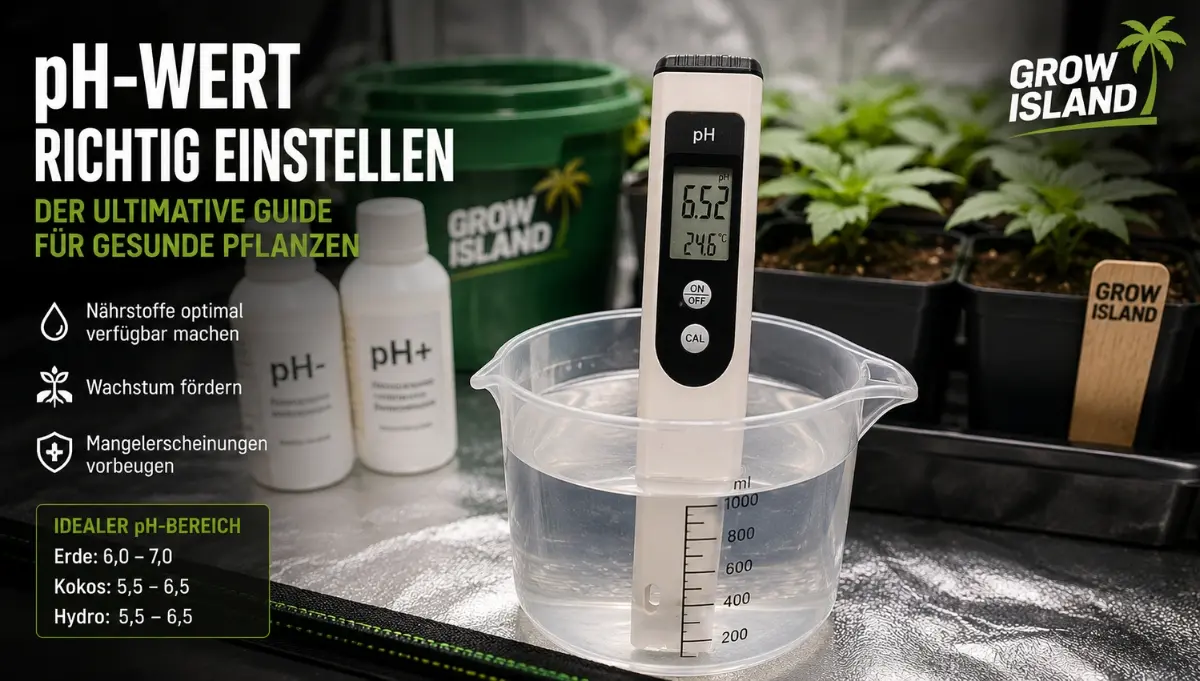
The most important pH values at a glance
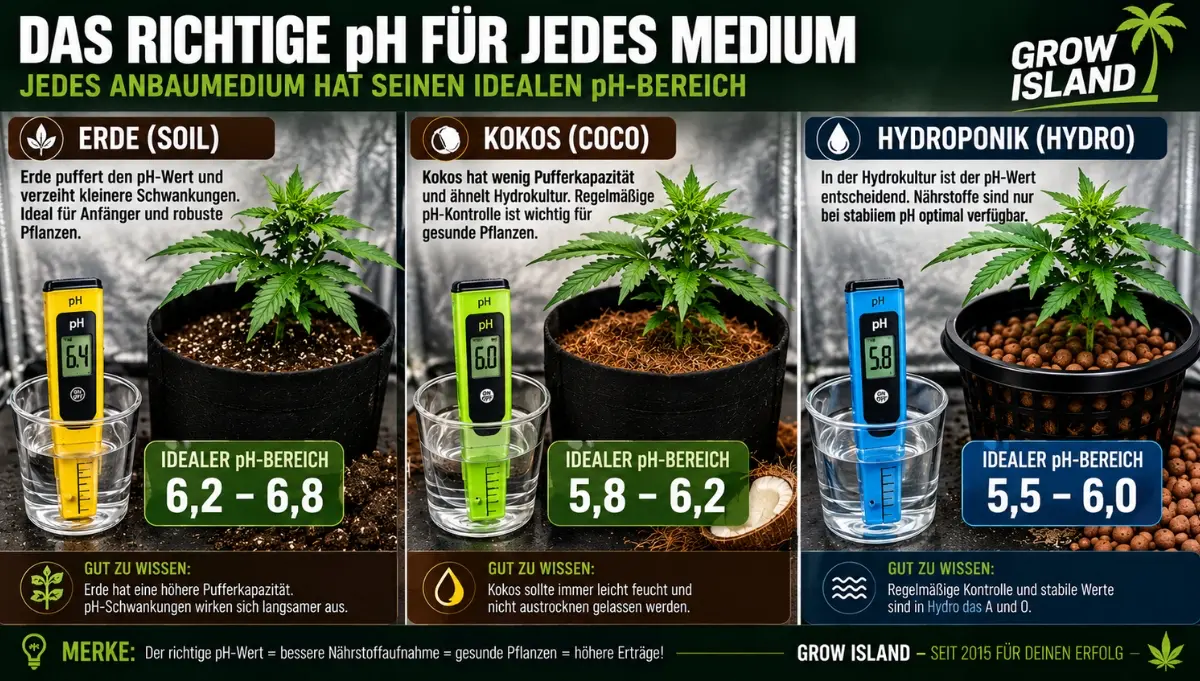
Soil pH 6.2–6.8 Common target: 6.3–6.5
Coco pH 5.8–6.2 Lower buffering capacity
Hydroponics pH 5.5–6.0 Frequent monitoring
Basic rule: Gentle movement within the correct range is natural. Maintaining a stable, acceptable corridor matters more than obsessively chasing one exact decimal value.
What is pH, and why is it so important for cannabis?
pH is a logarithmic measure describing how acidic or alkaline an aqueous solution is. The commonly used scale runs from 0 to 14. A value of 7 is neutral, lower values indicate an acidic environment, and higher values indicate an alkaline one. Because the scale is logarithmic, a change of one full pH unit is not a minor linear difference; it represents roughly a tenfold change in hydrogen-ion activity.
Plant roots cannot absorb every element equally well at every pH. Some nutrients become less available in an overly acidic environment or may occur at problematic concentrations, while others become chemically bound under more alkaline conditions. pH does not make a plant grow by itself. Instead, it influences how widely the window for absorbing existing nutrients is opened or restricted.
Diagnosis must always consider the whole system. Incorrect irrigation, an oxygen-poor root zone, excessive salt concentration or extreme root temperatures may produce very similar leaf symptoms. Measuring pH is therefore a diagnostic step, not an isolated routine that replaces every other observation.
Ideal pH in soil, coco and hydroponics
Growing medium
Recommended range
Key characteristic
Measurement priority
Soil
6.2–6.8
Natural buffering
Input water and occasional runoff
Coco
5.8–6.2
Fast response, lower buffering
Every finished nutrient solution
Hydroponics
5.5–6.0
Direct contact with roots
Regular reservoir monitoring
In soil, clay minerals, organic matter and microbial activity can soften minor fluctuations. That does not make irrigation-water quality irrelevant. Repeated watering far outside the correct range can gradually shift even a well-buffered substrate.
Coco behaves as a soilless medium, so the pH of the nutrient solution has a more direct effect. Because of coco's cation-exchange behaviour, calcium and magnesium supply must also be considered together with the selected nutrient programme.
In hydroponics, there is no soil to provide long-term buffering. Plant uptake, water temperature, evaporation, topping up and biological processes may all move the reservoir value. The trend across several measurements is usually more informative than one isolated reading.
Which medium makes stable pH easiest to maintain?
No single medium is equally suitable for every grower. The right choice depends on whether straightforward handling or highly precise control is more important. A loose, lightly fertilised soil is often more forgiving for seed-grown young plants. Pure coco can offer experienced growers hydroponic-like control, but it requires consistent measurement and accurately managed nutrition.
BioBizz Light-Mix: a controlled start for young plants
BioBizz Light-Mix is an easy-to-manage choice for seed-grown plants and rooted cuttings. Its loose structure supports oxygen delivery to young roots, while mild pre-fertilisation reduces the risk of excessive early nutrition.
Recommended pH: 6.2–6.8. A value of approximately 6.3–6.5 is a useful practical starting point.
Why is this medium relatively forgiving? Its mild nutrient charge does not immediately overload a young plant, while the buffering effect of soil provides time to correct small deviations. Waterlogging must still be avoided.
Plagron Cocos Premium: control close to hydroponics
Pure coco is an appealing compromise between container growing and hydroponics. It provides a good air-to-water ratio while allowing precise control over pH and nutrient-solution composition. That degree of control requires a consistent routine.
Recommended pH: 5.8–6.2. Every finished nutrient solution should be checked because coco does not buffer like soil.
Pure coco or coco-perlite? High-quality, correctly prepared coco can perform very well on its own. Perlite can increase aeration and drying speed but is not compulsory. Pure coco provides a particularly uniform medium and predictable water retention.
Choose BioBizz Light-Mix if you are working with seedlings or cuttings, prefer simpler management and want a medium that tolerates smaller fluctuations more readily.
Choose Plagron Cocos Premium if you want a fast response and more comprehensive, hydroponic-style control and can accurately manage pH and nutrition at every irrigation.
The relationship between pH and nutrient uptake
The following table offers practical orientation. It does not mean that an element instantly disappears outside the listed range. Its availability may gradually decline. Medium, root temperature, oxygen supply and microbiology also influence actual uptake.
Nutrient
Good availability
Common warning sign
Often first visible
Nitrogen
pH 6.0–7.0
Uniform paling
On older leaves
Phosphorus
pH 6.2–7.0
Dark foliage, slow growth
On older leaves
Potassium
pH 6.0–7.0
Brown leaf margins
On older leaves
Calcium
pH 6.2–7.0
Rust-coloured spots, distorted growth
On young shoots
Magnesium
pH 6.0–7.0
Paling between veins
On older leaves
Iron, manganese, zinc
pH 5.5–6.5
Very pale new growth
On young leaves
Leaf symptoms alone do not prove which element is missing. Check pH, moisture and oxygen supply in the root zone first. If more fertiliser is added during a genuine pH lockout, salt concentration may rise further and make the problem worse.
Symptoms of pH that is too low or too high
pH is too low
Slower growth and weak root development
Yellow or spotted leaves
Brown, dry leaf edges
Several apparent deficiencies at once
A sudden decline in plant vigour
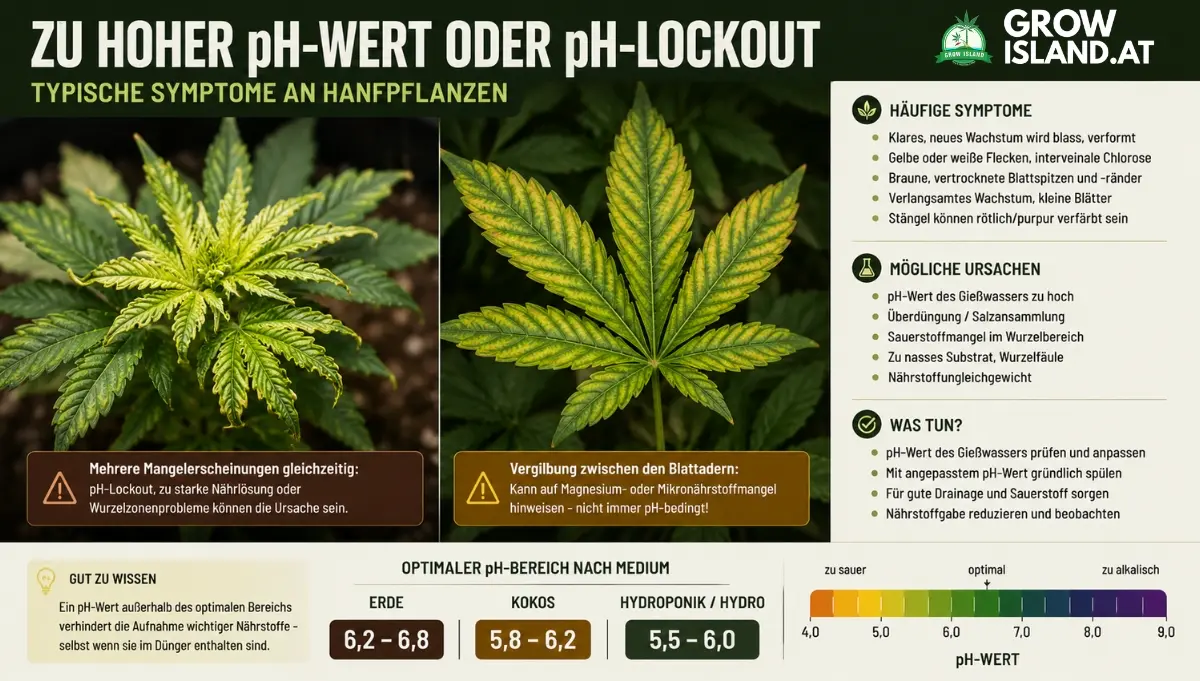
pH is too high
Pale or yellowish new shoots
Paling between green leaf veins
Faded foliage and slow development
Weaker production of new plant tissue
Symptoms resembling micronutrient deficiency
The age of the affected leaves provides a useful clue. Problems involving mobile elements often begin on lower, older leaves, while less-mobile elements tend to affect new growth. This pattern assists diagnosis but does not replace measurement or inspection of the root zone.
Recognising and correcting pH lockout
pH lockout describes a situation in which one or more nutrients are present but cannot be absorbed adequately because the chemical environment around the roots is unsuitable. Several deficiency-like symptoms appearing together, stalled growth and no improvement after increasing nutrition are common warning signs.
A safe order for restoring stability
Measure the freshly prepared irrigation or nutrient solution. Do not rely on assumptions; use a calibrated meter.
Inspect the root zone. Constantly wet, oxygen-poor substrate can block uptake even when pH is correct.
Compare input and runoff cautiously. A large difference may indicate accumulation or a shift inside the medium.
Return pH to the correct range gradually. An aggressive counter-correction can create a new extreme.
Watch the new growth. Damaged leaves may never become fully green again; healthy new shoots provide better evidence of recovery.
Flushing is not an automatic solution for every discoloured leaf. Unnecessary or poorly executed flushing may create additional root stress and overwatering. Use it only when measurements and system behaviour genuinely indicate a problematic salt accumulation. Avoid combining several major interventions while the plant is recovering.
How to measure pH step by step
1. Calibrate Clean the electrode and calibrate it according to the manufacturer with pH 7.00 and, when required, pH 4.01 solution.
2. Prepare the solution Fill the container with water, add nutrients in the specified order and mix thoroughly.
3. Allow it to settle After adding concentrated products, give the solution enough time to mix and stabilise.
4. Measure Rinse the probe, immerse it in the solution, move it gently and wait for a stable reading.
5. Correct Add only a small amount of pH Up or pH Down, mix thoroughly and measure again.
6. Clean and store Rinse the probe and keep it in the storage solution specified by the manufacturer. Do not allow the electrode to dry out.
A common measurement mistake
Adjust pH only after all nutrients have been dissolved in the water, because they can significantly alter the solution's reaction. Used calibration solution must not be poured back into its original bottle because it can contaminate the entire contents.
Using pH Up and pH Down safely
pH Down moves a solution in the acidic direction, while pH Up moves it in the alkaline direction. These products may be highly concentrated, so accurate dosing is more important than rapid correction. Add a very small amount to the complete water volume, mix thoroughly, wait briefly and measure again. Full mixing may take longer in a large reservoir.
Wear the protective equipment required on the product label.
Never mix concentrated pH Up and pH Down directly together.
Do not apply concentrate directly to roots or into a very small volume of water.
Use clean measuring tools and do not interchange bottle caps.
Record how much correction was required for your usual water volume.
The correct dose depends on source water, nutrient mixture, reservoir volume and product concentration. A universal millilitre recipe would therefore be unreliable. Follow the label, add gradually and confirm with repeated measurement.
Tap water, buffering capacity and pH drift
Tap-water pH differs between locations and may also change seasonally. Freshly drawn water can show a different value after standing or aeration because the balance of dissolved gases changes. For this reason, always measure the fully prepared solution that will actually be used.
Water with higher alkalinity has stronger buffering capacity and can resist pH adjustment. More correction product may then be required even though the starting pH does not look extreme. pH, water hardness and electrical conductivity describe different properties. A good pH value alone does not reveal how many dissolved mineral salts are present.
Drift in a reservoir is not automatically harmful. Plants do not always absorb cations and anions in equal proportions, so pH may move gradually. What matters is how quickly it moves, in which direction, and whether EC, water level, temperature or root health also become abnormal.
Organic and mineral nutrition from a pH perspective
Organic system
In living soil, organic matter, microorganisms and buffering capacity can reduce the impact of small fluctuations. This does not mean every irrigation source is suitable. Persistent extremes can disrupt soil life and nutrient mineralisation. Avoid aggressive corrections that place unnecessary pressure on microbial balance.
Mineral system
Dissolved mineral ions are directly available. Coco and hydroponic systems therefore require tighter pH management. Add products to the water in the manufacturer's specified order, mix between components and adjust pH only after the nutrient solution is complete.
Recommended pH measuring and calibration products
A meter alone is not enough for a dependable result. Fresh reference solutions, clean containers and suitable storage solution are also required. The following products cover the foundation of a repeatable measurement routine.
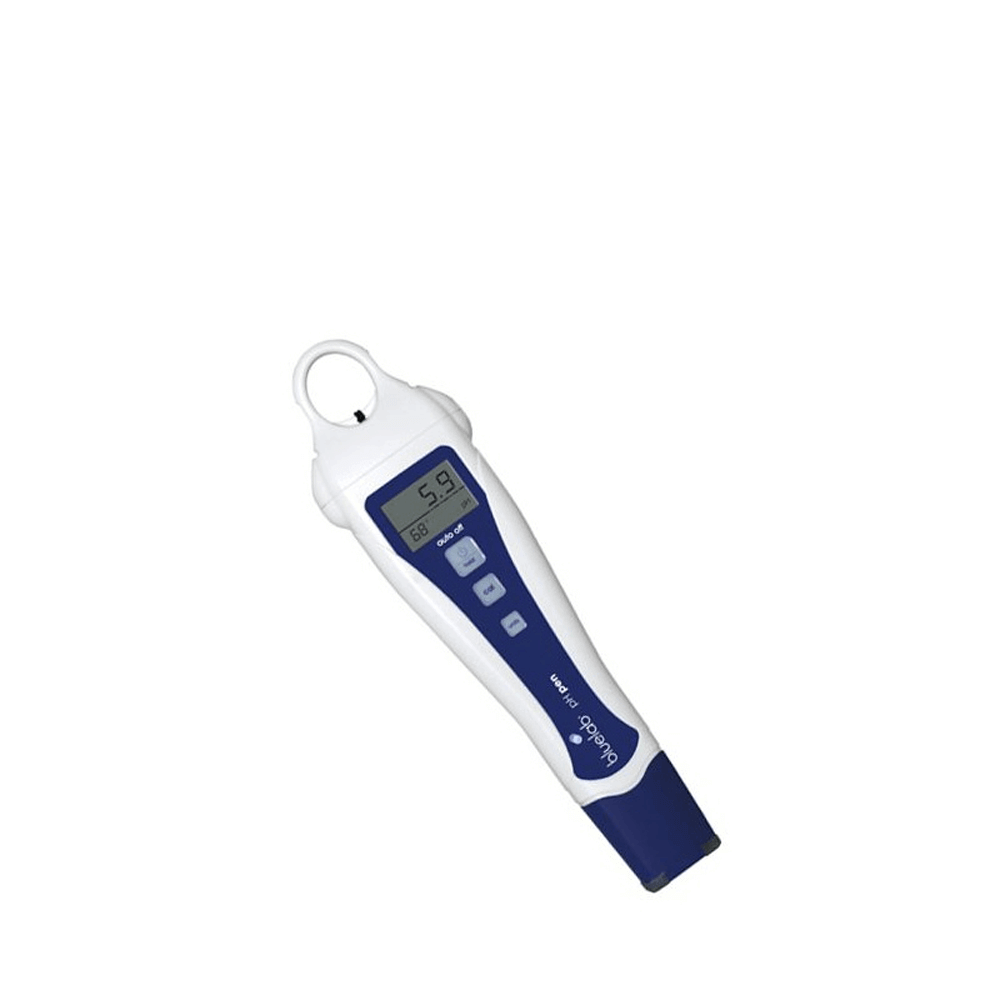
Bluelab pH Pen
A digital instrument for quick and regular pH checks.
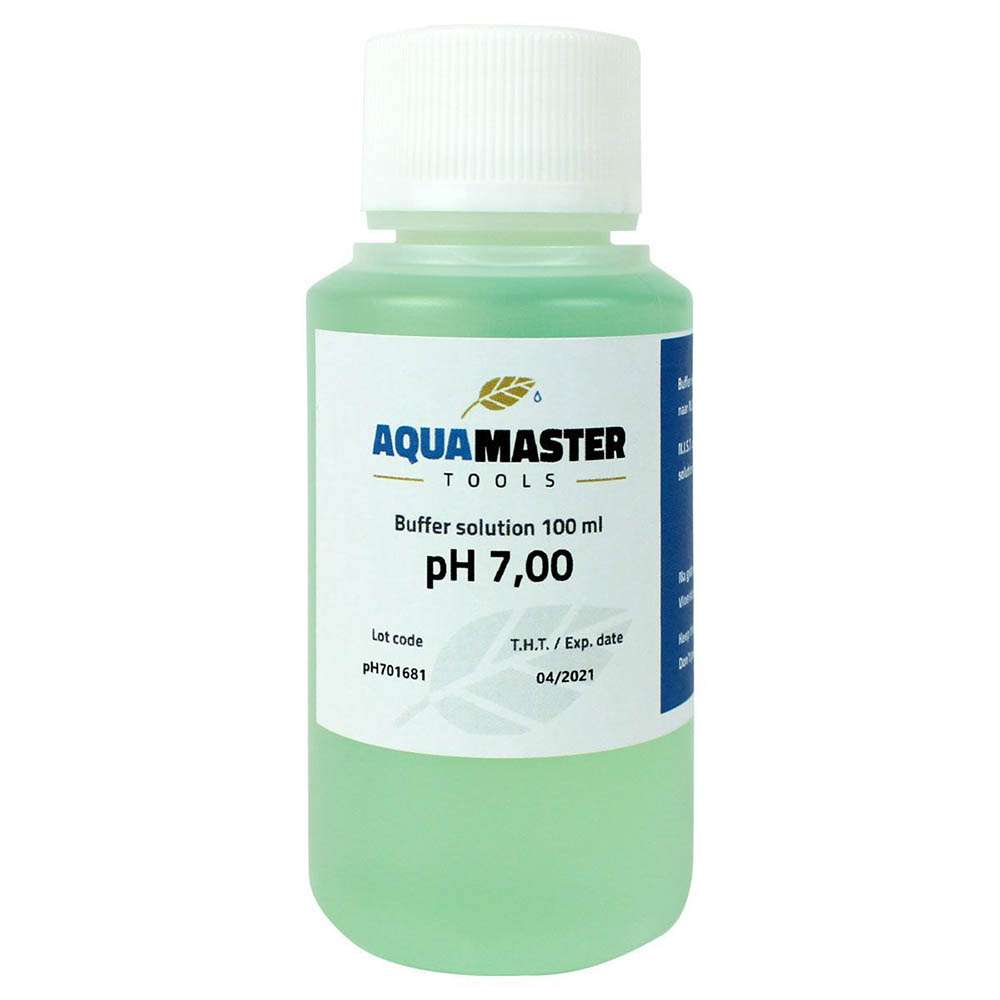
A neutral reference solution for routine inspection and calibration of the meter.
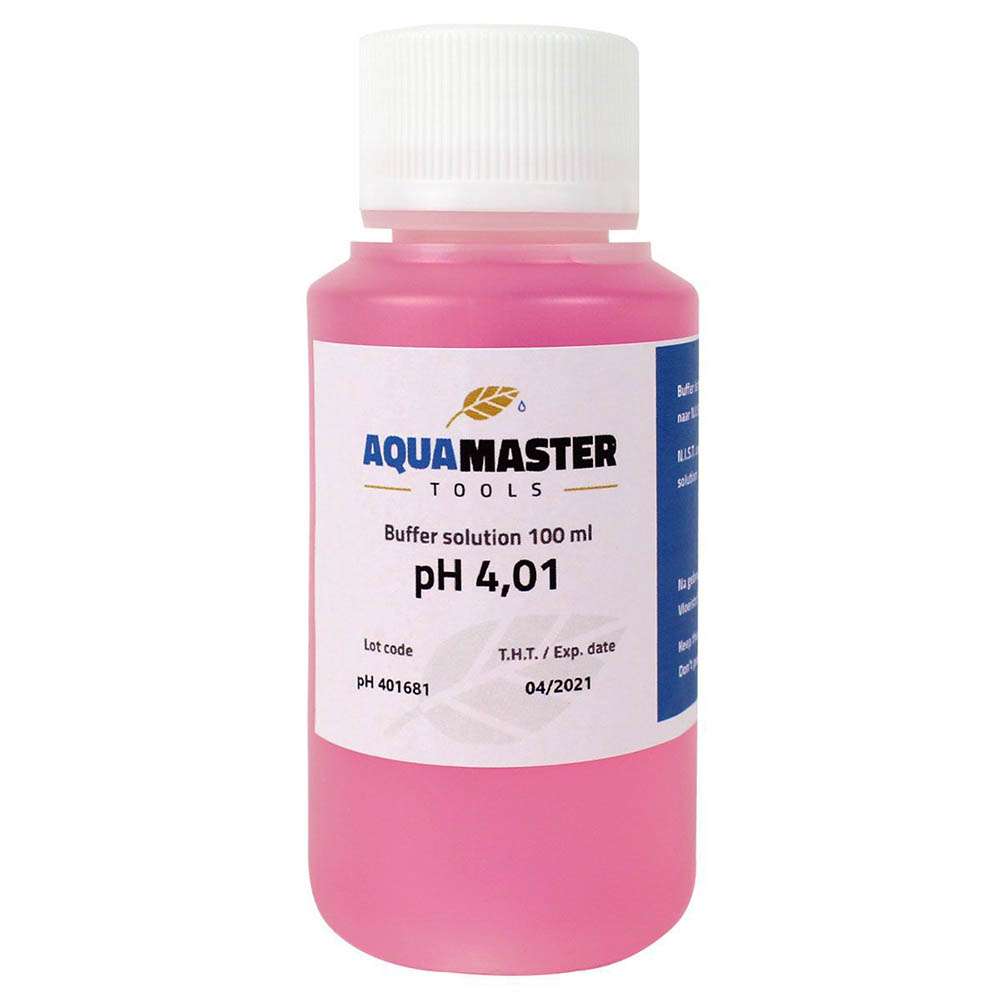
pH 4.01 calibration solution
An acidic reference solution for more accurate two-point calibration.
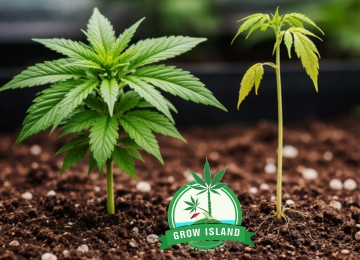
Three suitable seedlings
An even root zone and a pH suited to the chosen medium support a healthy start. Whatever genetics you select, avoid abrupt corrections after transport and transplanting. Allow time for acclimatisation and increase light and nutrient concentration gradually.
Gorilla Glue 4 Seedling
Seedstockers genetics for a vigorous start with gradual adaptation to the new environment.
Incorrect pH is only one possible cause of yellow leaves, slow growth or disrupted nutrient uptake. Before applying several products at once, check irrigation, substrate, lighting, climate and nutrition as well. A practical diagnostic sequence is available in the previous Grow Island article The 10 Most Common Mistakes in Cannabis Cultivation .
Correcting too often Constantly chasing decimal values leads to repeated additions of acidic and alkaline products.
Uncalibrated meter A displayed number is useful only when the probe is clean, correctly stored and checked with fresh reference solution.
Excessive correction A large dose of concentrate may move the solution directly into the opposite extreme.
Wrong mixing order If pH is adjusted before nutrients are added, the final value of the completed solution can differ substantially.
Old reference solution Contaminated or badly stored calibration fluid creates a false sense of accuracy.
Diagnosis by leaf colour alone Yellow leaves do not automatically mean nutrient deficiency; inspect roots, irrigation and pH first.
Frequently asked questions about cannabis pH
How often should pH be measured?
Every freshly prepared nutrient solution should be checked. Depending on the hydroponic system, daily or more frequent monitoring may be useful. The goal is to learn the normal drift pattern of your own setup.
Do I need a digital pH meter?
It is strongly recommended for soilless or precisely controlled systems. A liquid indicator can provide a rough check but is not as accurate or repeatable as a properly calibrated digital instrument.
What happens after one watering at the wrong pH?
One small deviation will usually not cause lasting damage in well-buffered soil. Repeated or severe deviations, and systems with low buffering capacity, create a much greater risk.
Does runoff pH show the exact pH of the root zone?
No. Runoff is a useful trend indicator, but its composition depends on irrigation method, saturation, channel formation in the medium and sampling. One measurement does not justify an aggressive correction.
Must pH always be adjusted in organic soil?
Not necessarily at every irrigation if water, substrate and microbiology form a stable system. Source water, plant health and long-term development should still be monitored.
Why does pH rise or fall again after adjustment?
Buffering capacity, dissolved gases, nutrients, temperature and biological processes can all cause pH drift. Mix thoroughly, allow the solution to settle and check it again.
Can I use pH Up and pH Down directly after one another?
This should be avoided. If you overcorrect, dilute the solution or prepare it again in a controlled manner instead of dosing concentrated acid and base against each other. Always follow the manufacturer's safety instructions.
Summary
The correct pH is a fundamental requirement for the availability of many nutrients. Useful starting ranges are 6.2–6.8 in soil, 5.8–6.2 in coco and 5.5–6.0 in hydroponic systems. Accurate measurement requires a calibrated meter that is stored correctly. Corrections should always be made in small steps.
If several deficiency symptoms appear at the same time, do not automatically increase fertiliser. Check pH, irrigation, salt concentration and root-zone condition first. Then watch the new growth, because leaves that are already damaged are not a reliable measure of recovery.
Legal and safety notice
This article provides general botanical and horticultural information. Laws governing cannabis cultivation vary by country and region. Check the current law that applies to you before taking any action. Use pH regulators according to their labels and store them safely away from children and animals.





















Comments