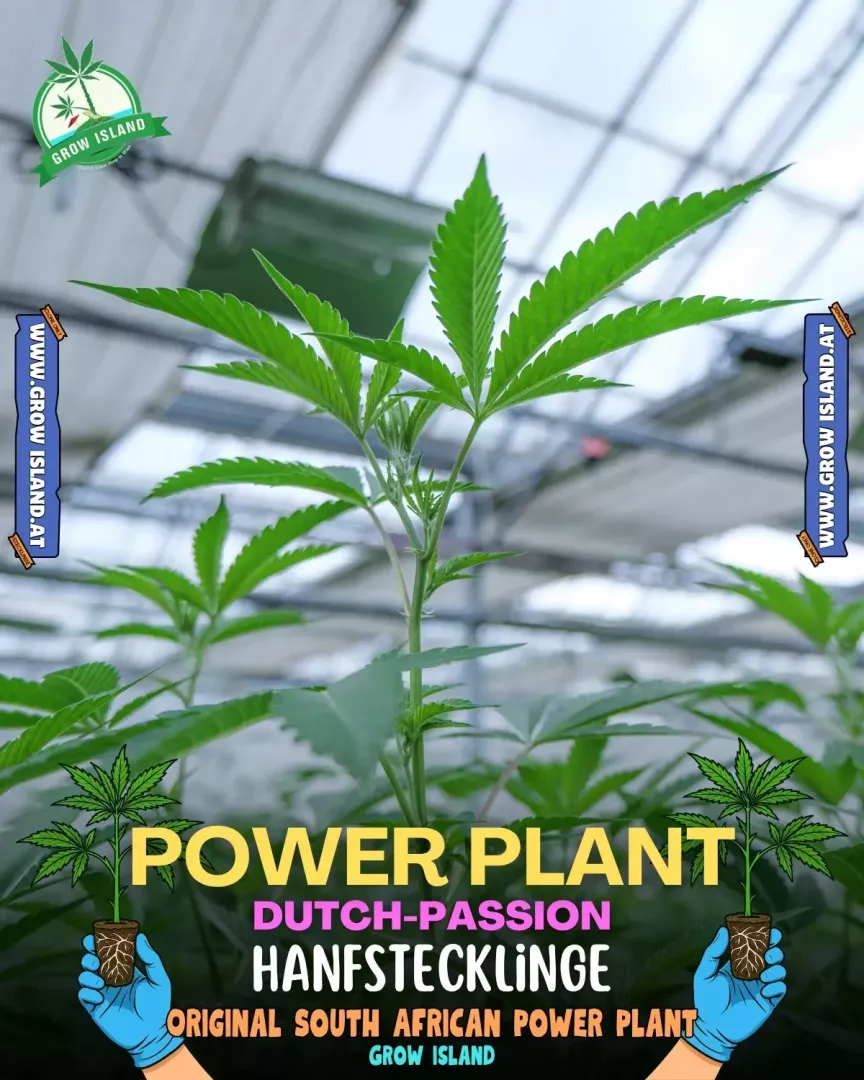
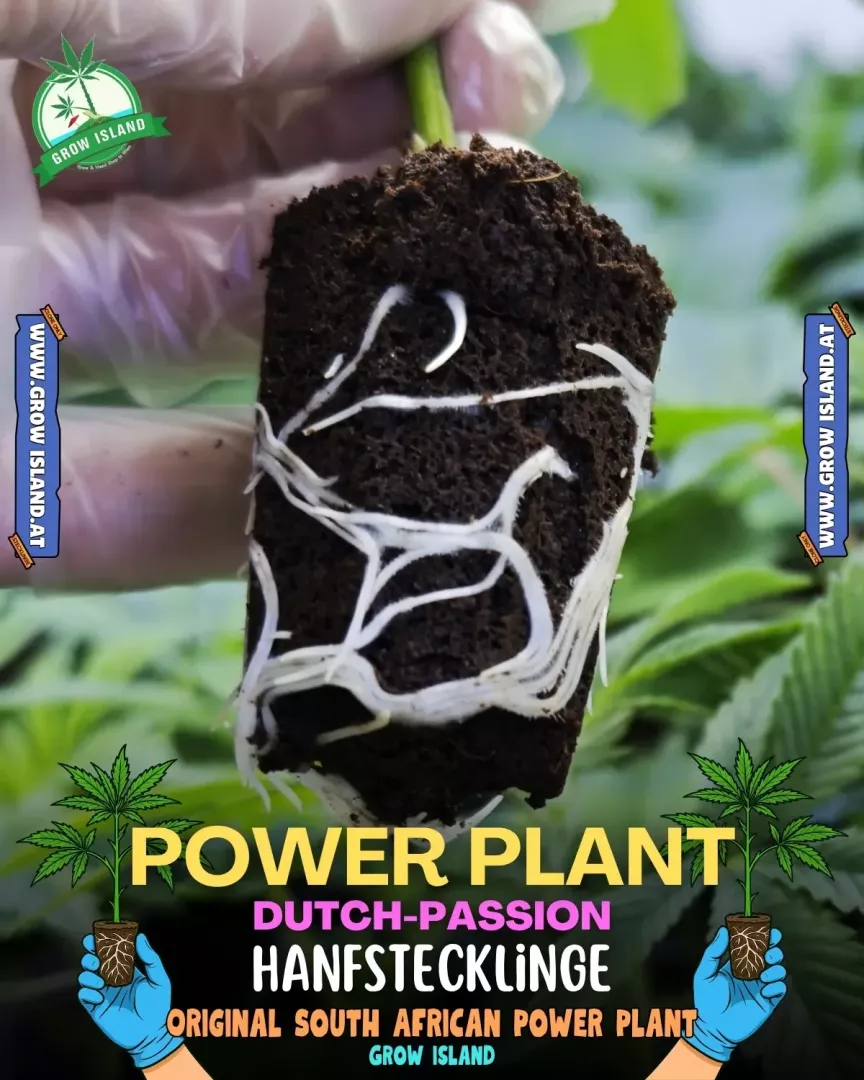
Power Plant Cannabis Clone
| POWER PLANT (DUTCH PASSION) CLONE FACT SHEET | |
|---|---|
| Brand / Distributor | Grow Island |
| Breeder | Dutch Passion |
| Origin | Original South African sativa lineage |
| Genetics | Almost pure sativa with a small indica influence |
| THC | Very high breeder category; no official percentage published |
| CBD | No officially published value |
| Terpenes / Flavor | Woody, spicy, earthy with subtle floral, lily and vanilla notes |
| Likely Dominant Terpenes | Caryophyllene, Myrcene, Pinene and floral terpene notes |
| Effects | Fast-acting, uplifting, energetic and creative cerebral effect followed by a balanced body sensation |
| Flowering Time | Approx. 8–9 weeks; some phenotypes may require 10–11 weeks |
| Yield Potential | XXL / Very High |
| Cultivation | Indoor / Greenhouse / Outdoor under suitable conditions |
| Grower Level | Suitable for both beginners and experienced growers; robust and resilient genetics |
| Growth Characteristics | Fast, vigorous, upright and highly branching sativa-type growth |
| Available Format | Cannabis Clone / Hanfsteckling |
| Product number | HS-POWERP-1 |
| Weight | 0.30 kg |
Product description
Power Plant cannabis clone – legendary Sativa energy with timeless character
Power Plant belongs to that rare group of genetics that needs no fashionable introduction to make a lasting impression. First released by Dutch Passion in 1997, this classic secured its place in modern cannabis history through its South African roots, energetic growth and unmistakable woody, spicy aroma.
Available from Grow Island as a Power Plant cannabis clone, this celebrated genetic line is aimed at those looking for a proven, vigorous and instantly recognisable Sativa character. Its first impression is bright and confident, its development is powerful, and its long, resinous flower structure recalls the golden age of Dutch old-school genetics.


Genetic background and origin
The genetic foundation of Power Plant comes from original South African Sativa lines. According to Dutch Passion, the variety was not crossed with other genetic families that later became fashionable. Instead, it was stabilised through backcrossing, allowing Power Plant to preserve the pure, traditional personality that made it stand out at the end of the 1990s.
The genetic profile is almost entirely Sativa, complemented by only a small proportion of Indica influence. This subtle Indica contribution may support a shorter flowering cycle, more compact flowers and a rounder physical finish. The overall expression, however, remains unmistakably shaped by the vibrant energy of South African Sativas.
This authentic background is central to the appeal of Power Plant. It is not a modern multi-parent hybrid with a complicated lineage, but a deliberately preserved genetic line: direct, powerful and equipped with a distinctive voice of its own.
Growth characteristics
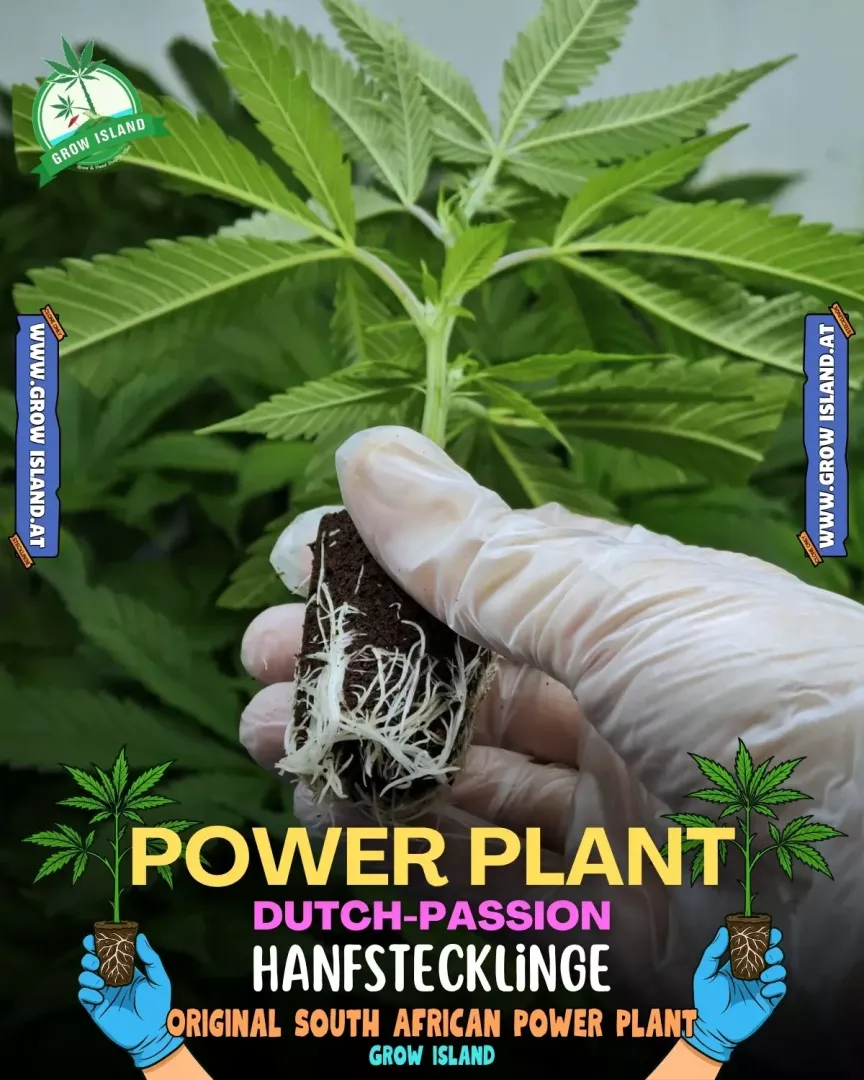
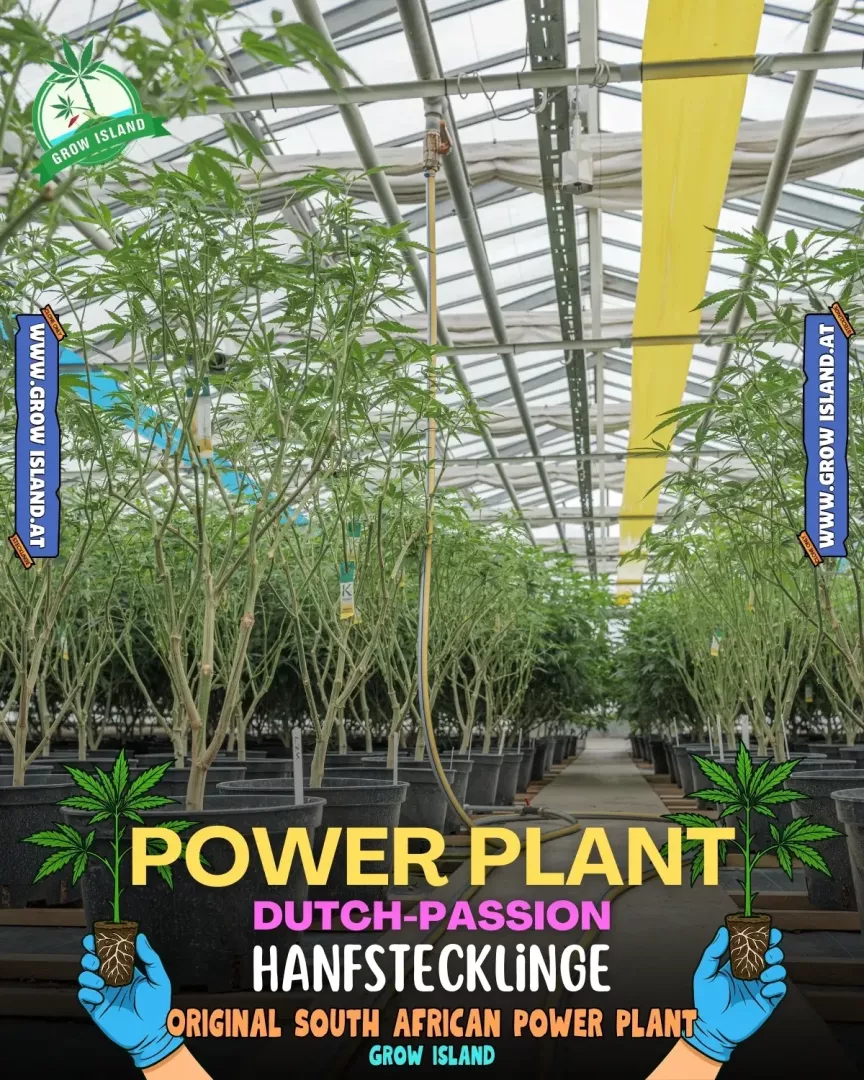
Power Plant begins living up to its name during the earliest stages of development. Its growth is vigorous, purposeful and clearly Sativa-influenced. The plant can establish a pronounced, well-structured silhouette relatively quickly. Its upward-reaching habit is complemented by multiple side branches and a more open canopy, while the narrower leaves reinforce its classic appearance.
Considerable stretching can occur around the beginning of flowering, giving Power Plant more vertical energy than a compact Indica-dominant hybrid. At the same time, its short to medium internodal spacing allows the developing flowers to connect into long, well-stacked formations.
As a cannabis clone, Power Plant can be especially appealing to customers who appreciate the more consistent expression of an already selected genetic character. Dutch Passion describes it as a robust and tolerant variety, making it interesting for experienced collectors as well as enthusiasts searching for a classic and easy-to-recognise Sativa line.


The vegetative stage
During the vegetative stage, Power Plant gives the impression of an energetic and highly purposeful plant. It does not build its structure slowly or hesitantly. Its vitality becomes visible through fresh shoots, developing side branches and the rapid formation of its canopy. Its Sativa nature may produce an elegant, airy structure, while the robust genetic background provides a stable foundation.
One of the most attractive features of this variety is the balance between strength and predictability. Its growth is dynamic, yet the fundamental plant character remains clearly recognisable. This can be particularly appealing to those who prefer active plants with visibly energetic development.
- fast and vigorous Sativa-style development;
- upright, well-branched plant structure;
- slender leaves and a more open canopy;
- robust and adaptable genetic character;
- more consistent plant expression in clone form.
Flowering stage
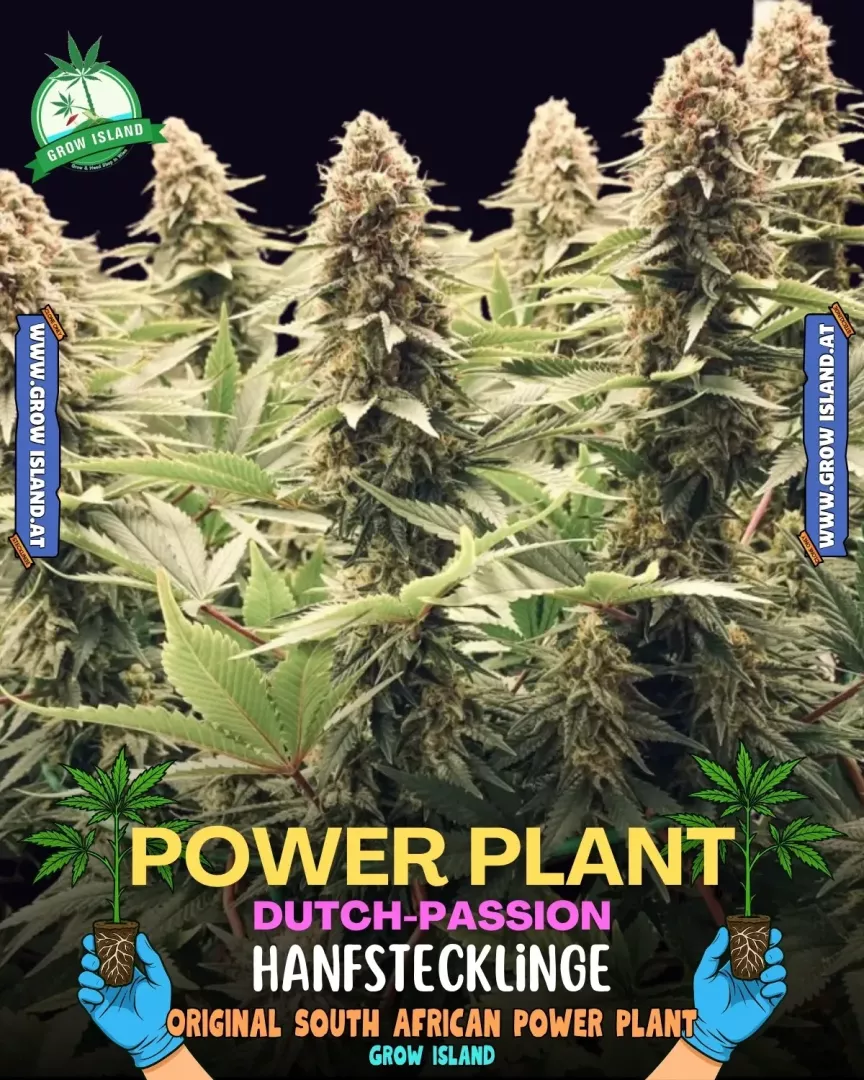
The flowering period brings a striking transformation to Power Plant. During the first weeks, the plant continues to stretch while elongated, progressively stacked flower formations begin to appear. Thanks to the relatively short to medium internodal spacing, the flowers do not necessarily develop as isolated clusters; instead, they can form long, connected structures.
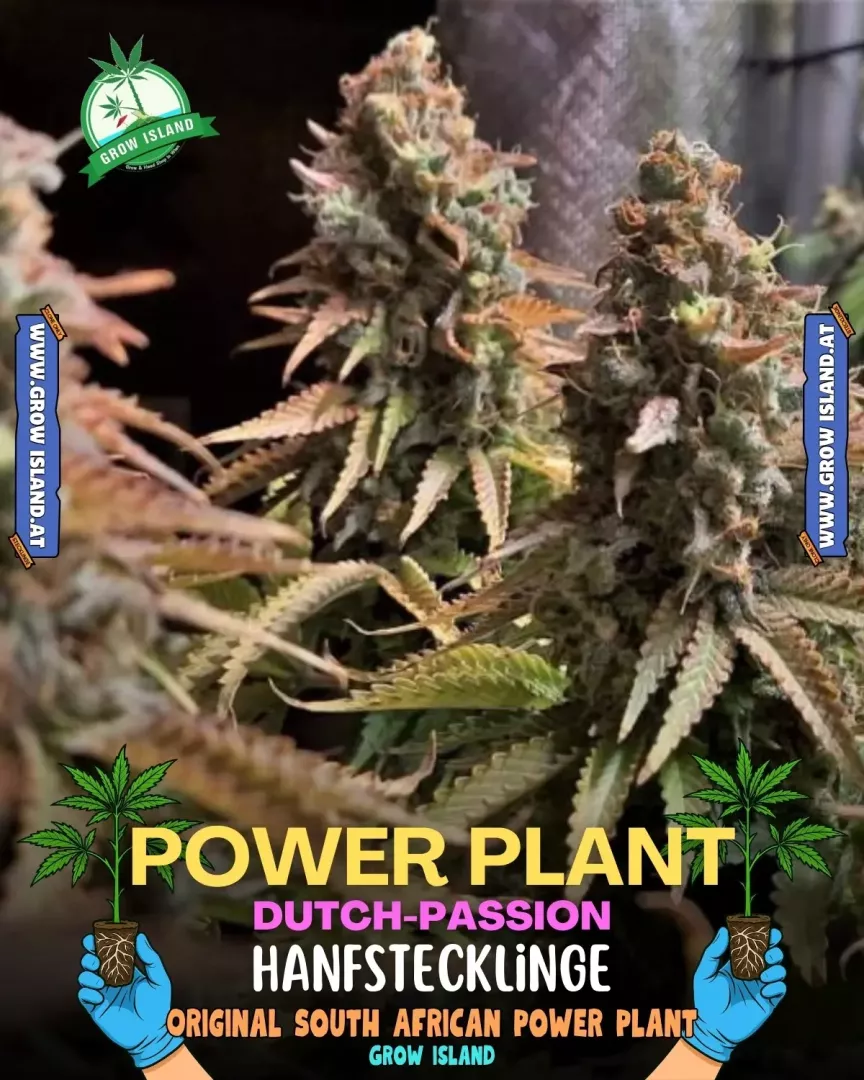
Despite its pronounced Sativa background, the flowers are not necessarily loose. The small amount of Indica influence in the genetic profile may contribute to a denser appearance. During the later stages, the contrast between the sticky resin layer, fine pistils and slender leaves creates the classic visual character associated with Power Plant.
Dutch Passion lists eight weeks as the headline flowering time, while its more detailed description gives an average of approximately 8–9 weeks. Certain plant variations may take longer, potentially reaching around 10–11 weeks. The breeder places its genetic yield potential in the XXL category, a quality that has been closely associated with Power Plant for decades.


Aroma and flavour – the signature of an old-school Sativa
The Power Plant aroma does not follow the sugary direction of modern dessert genetics. Its opening notes are drier, woodier and distinctly spicy. Freshly cut wood, lightly peppered spices and warm earthy tones create a confident introduction that makes the variety easy to recognise.
As the aromatic profile opens further, delicate floral details may rise from beneath the deeper earthiness. Dutch Passion also mentions subtle lily-like accents and soft notes of vanilla. These elements do not turn the profile into an overtly sweet experience; instead, they lend additional elegance and depth to its woody, spicy foundation.
The flavour follows a similarly traditional path, with wood, dry spices and mildly sharp notes taking the lead. Its finish can feel distinctive, clean and persistent, supported by understated earthy and floral nuances. This is a mature, classic profile for customers who value the traditional, nature-inspired side of cannabis alongside contemporary fruit and cream flavours.
Terpene profile
The complex aromatic identity of Power Plant combines woody, earthy, spicy and floral layers. Exact terpene proportions can vary between individual plants and batches. The components below therefore describe terpene directions commonly associated with this aroma rather than presenting a batch-specific laboratory analysis.
Caryophyllene
May support the distinctive Power Plant aroma with warm, peppery and dry spice notes.
Myrcene
May provide earthy, herbal depth and a softer foundation beneath the sharper spices.
Pinene
May complement the natural woody character with fresh, pine-like and resinous nuances.
Floral terpene notes
Delicate lily, herbal and soft vanilla accents may add another layer of depth to the overall profile.
Effects and overall experience
The Power Plant experience centres on a Sativa-dominant mental lift that can develop quickly. Its opening phase may feel clear, energetic and uplifting. Attention can become more active, the mood more open, and creative or social impulses may move into the foreground.
The experience does not necessarily continue in only one direction. A more balanced physical sensation may gradually follow the lively beginning, gently rounding off the initial Sativa energy. This can make Power Plant feel both dynamic and harmonious: mentally active at first, followed by a calmer and pleasantly settled finish.
The breeder describes Power Plant as a potent, THC-rich genetic line but does not publish an exact percentage. Its character may therefore be particularly attractive to those already familiar with stronger and more clearly defined Sativa experiences.
The legacy of an award-winning genetic line
The long history of Power Plant is supported not only by its lasting popularity but also by its competition results. In 2016, the variety won first place in the Sativa category at Lift Expo Canada in Vancouver. At the same event, it placed third in the hash category and also received second place in the Sativa category at Canada’s Prairie Medicinal Harvest Cup.
These awards demonstrate that Power Plant is much more than a nostalgic name. Decades after its original introduction, the genetic line has continued to remain relevant and to display qualities that hold genuine value even within the extensive modern cannabis selection.
Who may find Power Plant clones especially appealing?
Power Plant cannabis clones may be especially attractive to enthusiasts of classic Sativa genetics, collectors of Dutch old-school lines and long-standing Dutch Passion fans. Aroma hunters who favour woody, earthy and spicy profiles over sugary modern trends may also find a distinctive alternative here.
The variety can also appeal to customers who value pronounced vitality, a striking plant structure, long resinous flowers and genetic yield potential classified by the breeder as XXL. The clone format may be particularly interesting for those who prefer the more consistent appearance of a selected plant character over the natural variation associated with starting from seed.
Key Power Plant characteristics
Power Plant cannabis clones represent a genuine piece of cannabis history: South African Sativa heritage, robust vitality and an unmistakable old-school aromatic identity.
✓ Original South African genetic foundation
✓ Dutch Passion classic known since 1997
✓ Almost entirely Sativa-dominant character
✓ Woody, spicy, earthy and floral aroma
✓ Average flowering time of approximately 8–9 weeks
✓ XXL-category genetic yield potential
✓ Energetic, creative and progressively balanced experience
✓ Available in Grow Island cannabis clone format
Conclusion
Power Plant cannabis clones represent a genetic line in which the name, history and plant character exist in perfect harmony. Its South African origins provide a clear Sativa drive, while careful stabilisation has helped it remain recognisable and sought after for decades.
Its vigorous development, long resinous flowers and woody, spicy aroma clearly distinguish Power Plant from modern dessert hybrids. This variety does not attempt to be anything other than what it is: an energetic, robust and self-assured old-school Sativa whose seemingly direct profile contains a surprising range of floral, earthy and softly vanilla-like details.
Within the Grow Island selection, Power Plant cannabis clones offer a premium and characterful option for those searching for proven genetic heritage rather than a short-lived trend. It is a classic that does not simply belong to the past, but still knows exactly how to create a memorable first impression today.
Related Products
 -3%
-3%
The Queen S1 cannabis clone



 -2%
-2%
Sangria - Aficionado Seed Collection / hemp plant





 -5%
-5%
Tangieland Cannabis Clone - Best Cali Orange
Share your experience, write a review.








.jpg)




.jpg)





Hailea ACO-2202 air pump





UGro Pure Coco Perlite 50 L


TBOX mechanical timer

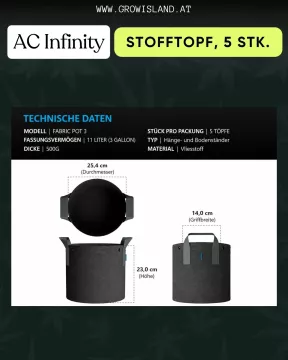
AC Infinity fabric pot 5 pcs

 -19%
-19%
Compact gravity infuser, black


 -30%
-30%
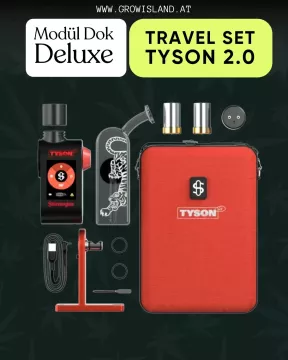
Modül Dok Deluxe Travel Set Tyson 2.0

 -14%
-14%
Solo III Version 1 Vaporizer









 -9%
-9%
Airizer XQ2 Vaporizer

 -8%
-8%
Veazy Dynamic Blue Vaporizer

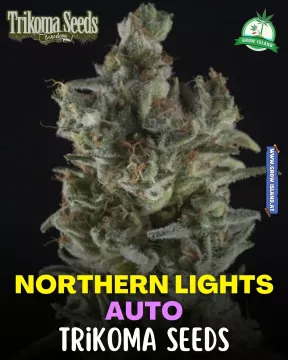



AK-74 / AUTO / Trikoma Seeds



The Palmar / FEM / Trikoma Seeds






Patagonia / FEM / Trikoma Seeds


Jack Herer / FEM / Trikoma Seeds



Malquerida / FEM / Trikoma Seeds

Boca Negra / FEM / Trikoma Seeds



AK-74 / FEM / Trikoma Seeds

Gelato / FEM / Trikoma Seeds

 -24%
-24%
Secret Jardin Power Pack LED Vollspektrum 250W 3.01


VOVA Vaporizer


 -29%
-29%
5 Zombie Snack Auto Mix Pack / Auto / Illuminati Lost Seeds


 -15%
-15%
Sleepy Pack / Fem / Illuminati Lost Seeds


 -26%
-26%
Inferno ACE / Fem / Illuminati Lost Seeds


AlienZ / Fem / Green House Seeds


 -12%
-12%
Urban Garden Q200 LED 36x36cm Full Spectrum 200W 2.8

 -8%
-8%
DynaVap The M7 XL Stealth

 -8%
-8%
Veazy Inspiring Orange Vaporizer


DynaVap The M7


Tightvac 11x1 cm Tightpacs


Microscope Mini 100x with light




Hawaii Maui Waui / FEM / Nirvana






Durban Z / FEM / Barney's Farm




MAC 1 / FEM / Barneys Farm

RS11 / FEM / Barney's Farm


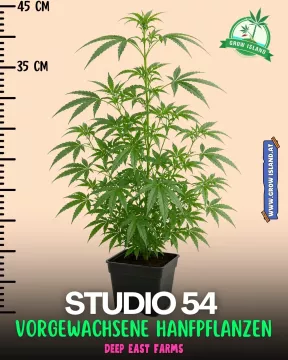
Studio 54 pre-grown hemp plant



 -13%
-13%
Blue Zushi pre-grown hemp plant


Banoreoz pre-grown hemp plant

 -10%
-10%
Smackerz pre-grown hemp plant

 -2%
-2%
Sangria - Aficionado Seed Collection / hemp plant


 -44%
-44%
Pirate Pie - Illuminati Lost Seeds

 -50%
-50%
Akathcuki Jutsu - Illuminati Lost Seeds


 -23%
-23%
Yallah Haze - Illuminati Lost Seeds

 -27%
-27%
Zuviel OG - Illuminati Lost Seeds


Blue Monkey hemp plant

 -15%
-15%
Fizzy Bubblegum hemp plant


Jokerz 31 pre-grown hemp plant

 -3%
-3%
The Queen S1 cannabis clone


Runtz cannabis clone

 -25%
-25%
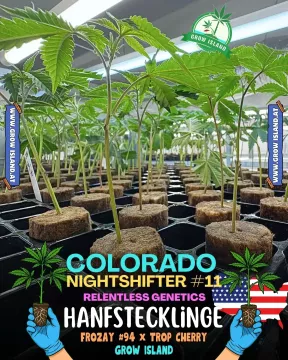
Colorado Nightshifter cannabis clone

 -25%
-25%
Blue Zushi TenCo Cut Cannabis Clone


 -11%
-11%
Snow White cannabis clone


Monster Maker Cannabis clone


Shiatsu Kush cannabis clone


 -32%
-32%
Illuminati Lost Seeds / FEM / Win Gardumim Leviosa

 -11%
-11%
Banana Runtz hemp plant

 -15%
-15%
Super Buff Cherry 26 GMSL cut hemp plant


Amnesia Gold hemp plant


Flowermate V5 Nano Vaporizer


Sour Ripper hemp plant


Pink Payton hemp plant


Zoap hemp plant


Khalifa Kush hemp plant



Sleepy Joe pre-grown hemp plant





Power Plant pre-grown hemp plant

Candy Store pre-grown hemp plant

 -11%
-11%
Lumen King Light Fixture 720W LED Eco Line

 -8%
-8%
Lumen King Light Fixture 400W LED Eco Line

 -38%
-38%
Canna Terra Easybox


Animal Tsunami hemp plant

Bio Tabs - Perfect Plant Pack

 -27%
-27%
Tyson 2.0 x Stündenglass Gravity Infuser


Blockberry hemp plant

Osmosis filter

 -6%
-6%
VENTY Vaporizer






AK47 pre-grown hemp plant


Gelato 45 pre-grown hemp plant



VapoCane Fusion Set
 -13%
-13%
Trimming bag-Drytrim

HortiLight Green Led headlight


Banoreoz hemp plant





 -11%
-11%
MAC 1 (Capulator cut) hemp plant




Sweet Seeds / FEM / Psicodelicia








Sweet Seeds / FEM / Do-Sweet-Dos



Cap Junky hemp plant






Fast Buds / FEM / Lemon Mandarin

Fast Buds / FEM / Papaya Sherbet

Fast Buds / FEM / Rainbow Melon

Fast Buds / FEM / Gorilla Melon
 -20%
-20%
Dutch Passion / FEM / Melonade Runtz
 -29%
-29%
Dutch Passion / FEM / Lemon Z

 -18%
-18%
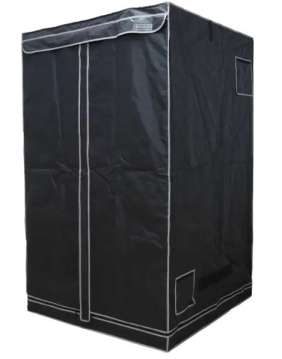
Pure Tent V2.0 120x120x200


Sleepy Joe hemp plant




 -16%
-16%
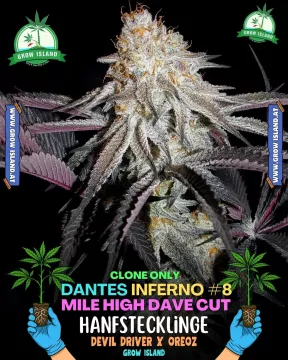
Dantes Inferno 8 (Milehighdave Cut) hemp plant




Strawberry Banana hemp plant


Super Orange Glue hemp plant

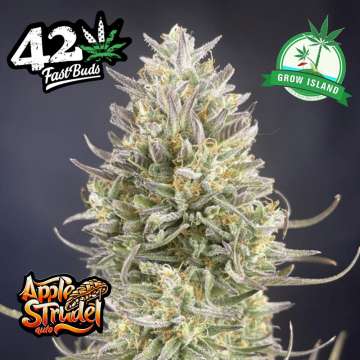
Fast Buds / AUTO /Apple Strudel







Anesia Seeds / FEM / Cash Cow




Anesia Seeds / FEM / Nova OG

Permanent Marker hemp plant

Wedding Cake hemp plant


White Satin hemp plant


Super Lemon Haze hemp plant


Critical Plus 2.0 hemp plant


Bubba Kush hemp plant





Customer Reviews
No review has been published yet...