How to Recognize a Hermaphroditic Cannabis Plant
Recognizing a hermaphroditic cannabis plant (commonly called a "hermie") is a skill every beginner grower should learn—especially if they want to avoid disappointment at harvest time. In this article, you'll learn what "bananas" and "balls" mean and how even your feminized plants can sometimes decide to take on male traits.
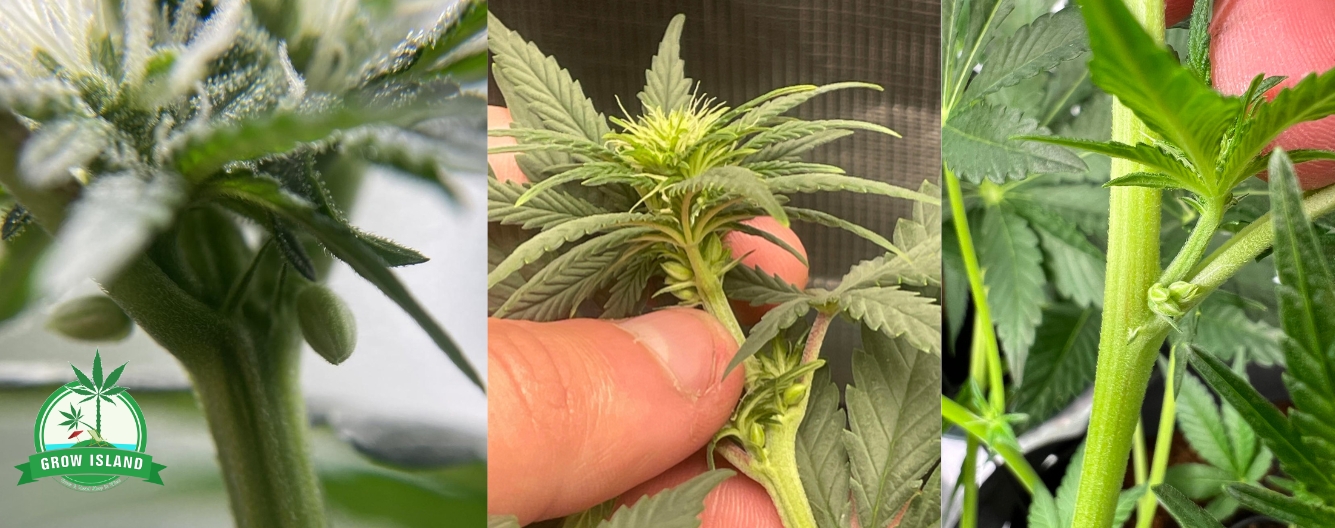
What is hermaphroditism?
Hermaphroditism is a natural phenomenon that occurs in plants (including cannabis), invertebrates (such as worms and snails), some insects and certain fish species. In these cases, the organisms can possess both male and female reproductive organs — which is fascinating in nature, but much less desirable in a cannabis grow.
If a hermaphroditic plant appears in your grow space, it means it will release pollen that can fertilize nearby female plants. When this happens, the plants divert their energy from producing flowers to making seeds — and as a result, the quality of the harvest drops significantly.
What does a hermaphroditic plant look like?
Although terminology may vary, in this article we use the term "hermaphrodite" to refer to a female cannabis plant that begins developing "balls" or "bananas."
Female plants: Grow white, hair-like pistils at the flowering nodes.
Male plants:Develop pollen sacs that resemble small balls.
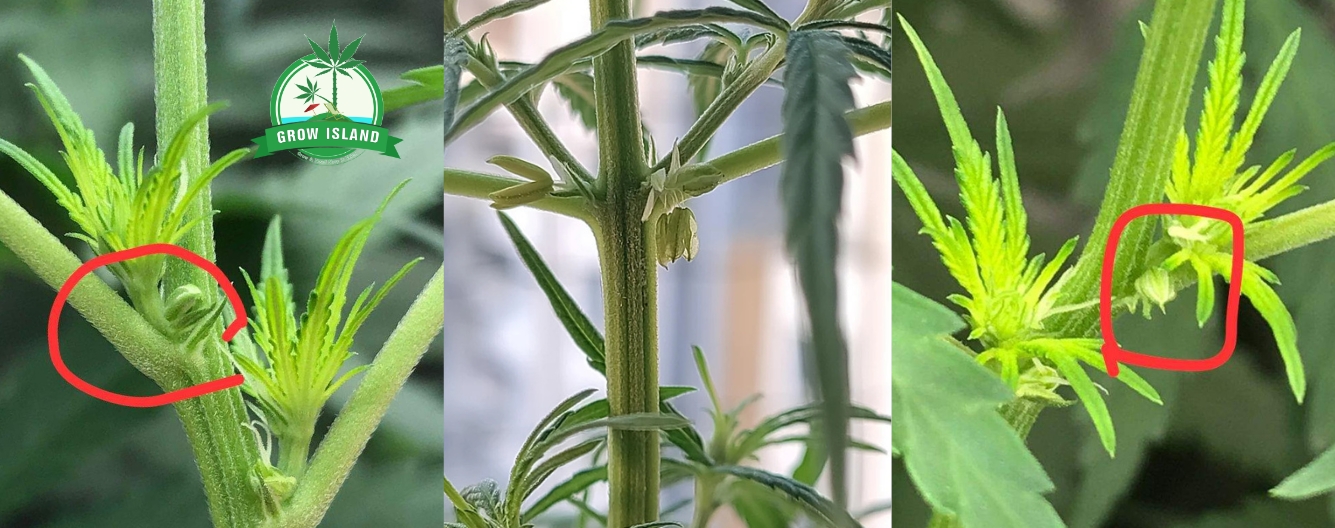
During early flowering, these balls can sometimes appear among the female flowers — or on separate branches if the plant is a true hermaphrodite.
In late flowering, "bananas" (also known as "nanners") may emerge. These are actually exposed male stamens, named for their yellowish-green color and elongated shape. They are also capable of releasing pollen.
What causes hermaphroditism in cannabis?
The good news is that most occurrences of hermaphroditic plants can be prevented with proper environmental control. The most common triggers include:
Genetic instability
Light stress
Temperature stress
Nutrient issues
pH imbalance
1. Genetics: the foundation
Poorly stabilized feminized seeds often produce hermaphrodites. This is why it’s important to always use feminized seeds from a reliable seed bank. In the past, growers used regular seeds, which could turn out male or female — but feminized seeds have greatly simplified this issue.
2. Light stress: the silent killer
Improper lighting or disruptions in the light cycle are among the most common triggers of hermaphroditism.
- Avoid light leaks during the dark cycle.
- Don’t place lights too close (leaf “bleaching” is a sign of light burn).
- Outdoors, watch for nearby streetlights or motion sensor lights.
3. Temperature and environmental stress
Large temperature fluctuations can stress plants, especially in attics or poorly insulated grow rooms.
- Heat is the main threat in summer, cold in winter.
- The ideal temperature range is between 18–30°C.
4. Nutrient and pH stress
Nutrient deficiencies or overdoses (e.g., nitrogen burn), as well as deviation from the ideal pH level (whether too acidic or too alkaline), can also trigger hermaphroditism.
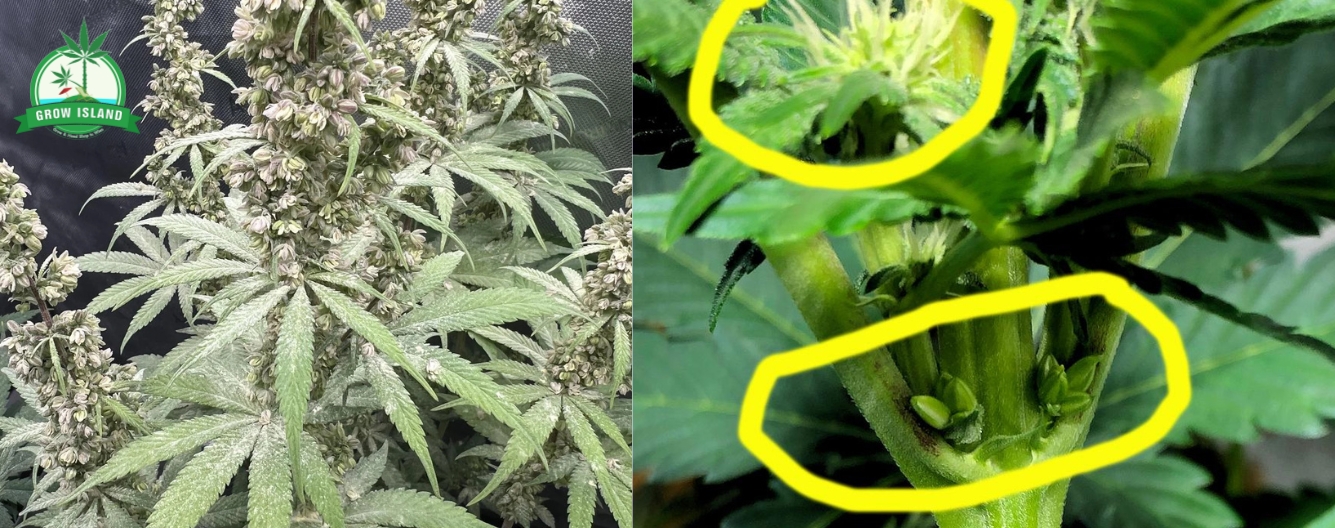
What to do if you find a hermaphrodite plant?
Use the lollipopping technique to remove lower, weaker branches during the final weeks of the vegetative phase — especially with California genetics. This can help stop the problem.
If pollen sacs continue to appear, remove the entire plant before it fertilizes the others.
The key to prevention is regular inspection: during the last 3 weeks of veg and the first 3 weeks of flowering, check your plants daily.
Summary
The appearance of hermaphrodite plants can be a serious issue for growers, but with careful observation, stable genetics and well-controlled growing conditions, most cases can be prevented. The most important advice: treat your plants like your own children — watch them every day.
Written by B. Alen – 13.03.2025
Back to the posts


Comments